
Snapchat 'willing to implement' daily time limits for teens, boss tells BBC
BBC News
Snap says it’d be open to teen screen-time limits on Snapchat. That follows Meta’s push for rivals to copy its new safety rules.
Based on reporting by BBC News — read the original for the full story.
Summary, retelling and take written by AI under human oversight; images are AI-generated illustrations. How we work · Report an error
Snapchat’s boss says the company would be willing to put daily time limits on teen users, after Meta urged rivals to follow the rules it agreed to in a recent legal settlement. Evan Spiegel told the BBC at Snap’s California headquarters that capping young users’ time on the app could be an important step for the industry.
Meta has been leaning on other social media firms to adopt the changes it accepted after facing allegations from most US states that its apps were designed to hook young people. As part of that deal, Meta agreed to pay $12.7bn and to set a two-hour daily limit for teen accounts by default, along with muted school-hour notifications, night blocks and other measures. It also said it would add stricter limits and pay another $5.3bn if YouTube and TikTok follow suit.
Spiegel didn’t give a timetable for Snapchat to act, but he did say the idea had been discussed inside the company. Snap already has Family Center tools that let parents monitor some aspects of how their teens use Snapchat. “We want to figure out how we can be part of the solution,” he said.
The comments came as Snap showed off new features for its upcoming Specs glasses. Spiegel said the device will use AI to suggest things based on what it learns about a user’s goals, relationships and routines. Snap says the glasses are meant for early adopters, developers and enterprise customers, and will sell for $2,195 in the US and £1,995 in the UK.
Specs are being pitched as a middle ground between bulkier VR headsets and the lighter AI glasses now on the market. Snap says the device weighs about 130 grams, uses see-through lenses and does not use facial recognition. A white light at the top flashes when it’s recording, so people nearby can see it. That last part feels like a direct response to the mess around Meta’s glasses, which have drawn criticism for secret filming and still keep selling anyway.
My take — AI-written commentary, not fact-checked reporting
Snap is doing the sensible thing by sounding open to teen limits, which is exactly why it took pressure from Meta to get there. The bigger pattern is simple: the platforms only discover restraint after regulators, lawsuits, or a rival’s settlement make it awkward not to. Meanwhile, a $2,195 pair of glasses is a bold way to announce that the future still comes with an eye-watering markup.
Read more about this at: BBC News
Related stories
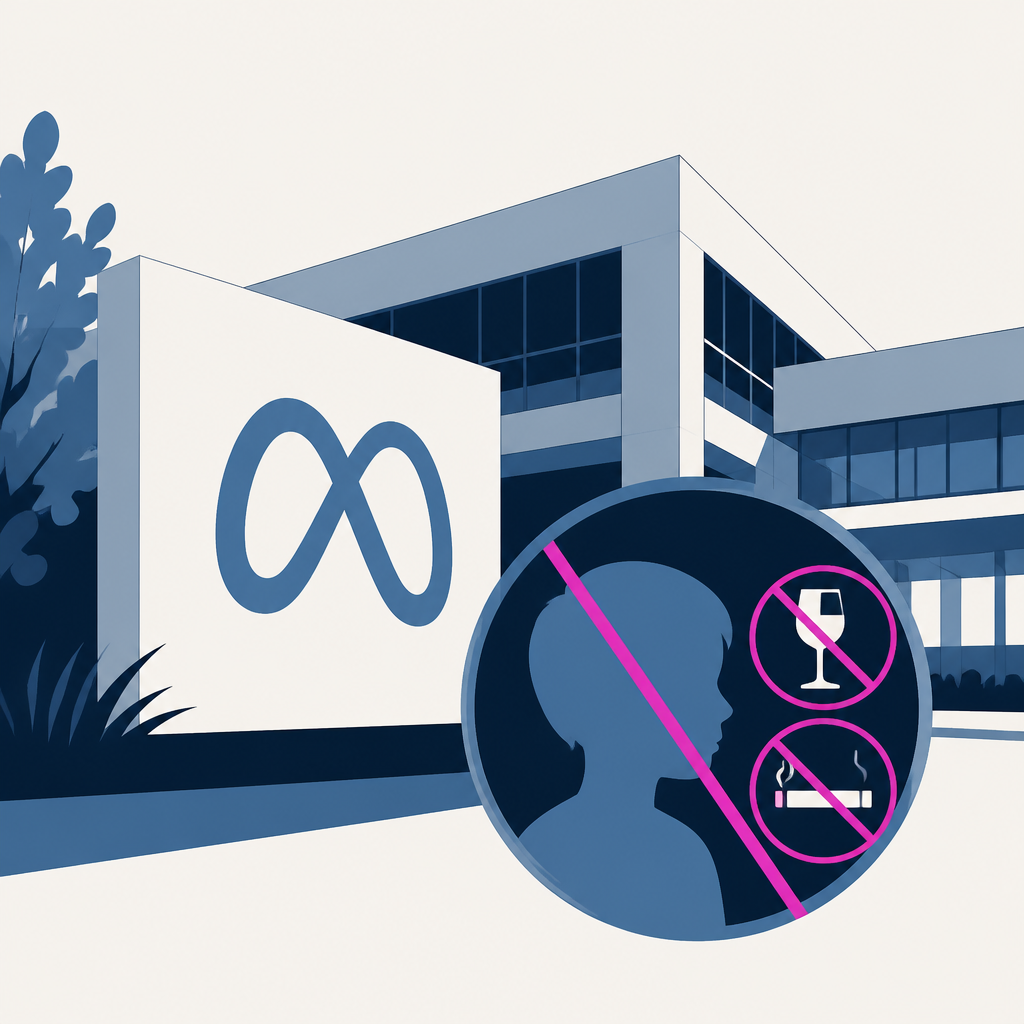 'You only get like two hours of alcohol or two hours of cigarettes a day': Former Meta engineer on child safety settlement
Fortune ·
25
'You only get like two hours of alcohol or two hours of cigarettes a day': Former Meta engineer on child safety settlement
Fortune ·
25