
Savi Security protects consumers from AI scams
TechCrunch
Two brothers just launched an app that listens in on your calls to catch AI scammers in real time. It started because a fake 'kidnapping' call using their sister's cloned voice terrified their mom.
Based on reporting by TechCrunch — read the original for the full story.
Summary, retelling and take written by AI under human oversight; images are AI-generated illustrations. How we work · Report an error
Patrick and Ryan Coughlin didn't set out to build a security startup because it sounded like a good market opportunity. They built one because a scammer nearly convinced their mother that her daughter had been kidnapped, using a cloned voice, a spoofed caller ID, and a real Walmart parking lot as the threatened murder scene. The call was fake. The technology behind it was real, and cheap, and that's the whole problem Savi Security is now trying to solve.
Patrick Coughlin isn't some random founder chasing a trend. He ran security products at Cisco, sold his startup TruSTAR to Splunk for a reported $82 million back in 2021, and watched enterprise-grade attack sophistication for years from the inside. What rattled him wasn't that the scam existed. It's that the same caliber of attack he used to see aimed at governments and Fortune 500 companies is now cheap enough to point at a random grandmother in the suburbs. Voice cloning used to need real budget and real expertise. Now three seconds of audio, ripped from a Facebook video of someone's kid's soccer game, is enough.
The numbers back up the panic. The FTC logged $3.5 billion in imposter-scam losses in 2025, three times what it was in 2020, and Malwarebytes found Gen Z falls for text scams roughly a quarter of the time, undercutting the assumption that only older Americans are vulnerable. Savi tested its detection model first through a free tool called Scamwise, letting anyone anonymously upload a sketchy text or email for an AI verdict. That thing pulled in 100,000 submissions in four months, and it's still adding 10,000 a week, which is either a great sign for the company or a genuinely depressing sign for the internet.
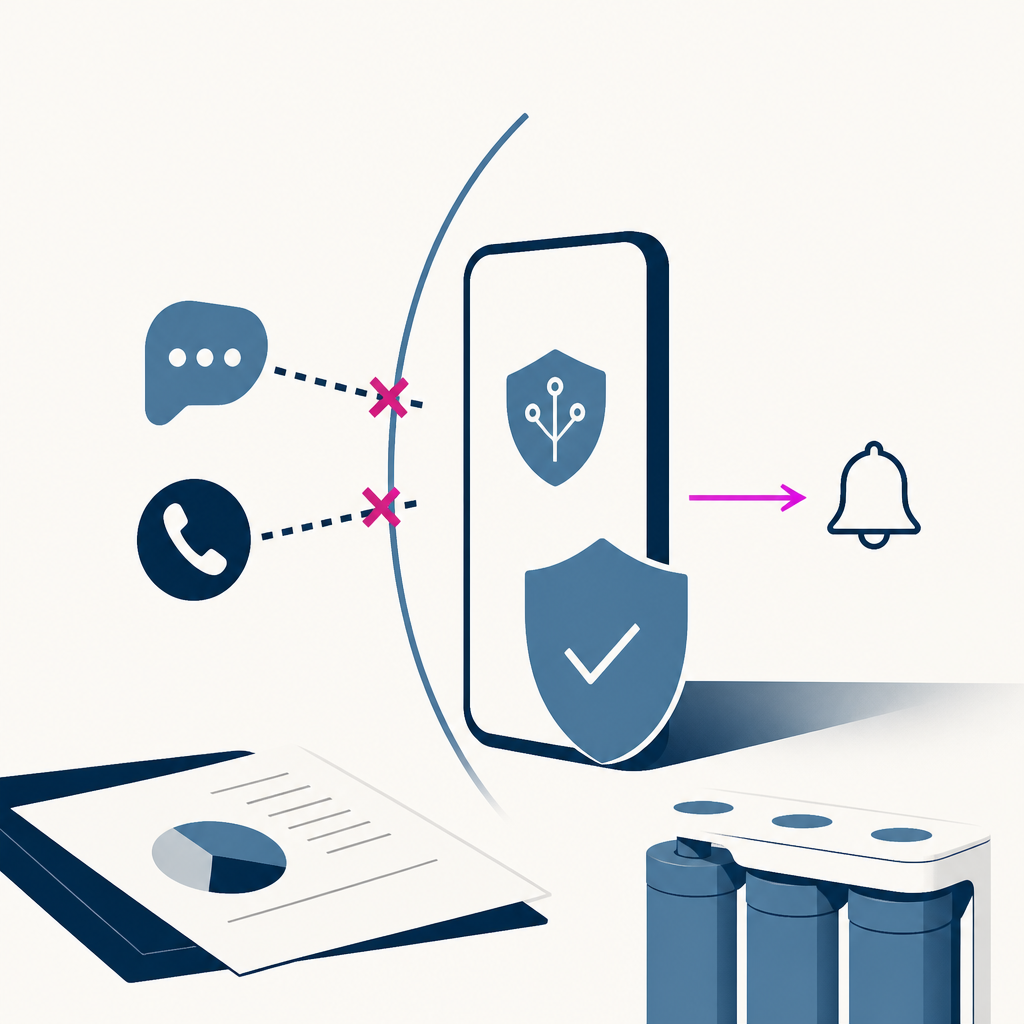
The company's real product, launching Tuesday on iOS and Android for $8 a month, does the boring stuff, screening texts and voicemails, but its standout feature is live-call monitoring, where a user can pull in an AI listener mid-conversation to flag behavioral red flags as they happen. It runs mostly on Google's Gemini through a flexible AI gateway, so Savi can swap in specialized voice-detection models later. Pricing covers an entire family with no user cap, which quietly acknowledges the real target demographic: parents, grandparents, and that one uncle who calls for tech help.
Coughlin's framing is blunt: AI isn't just arming professional fraud rings, it's turning ordinary opportunists into fraudsters because the barrier to faking a voice or a crisis has basically vanished. Savi is betting that consumers need the same kind of real-time AI defense that enterprises have had for years, just repackaged for people who've never heard of a SOC.
My take — AI-written commentary, not fact-checked reporting
This is the most honest pitch I've seen for consumer AI security in a while, because it doesn't pretend the threat is hypothetical. The uncomfortable truth is that voice cloning got cheap way faster than public awareness caught up, and a $63-a-year family plan is a rational response to a genuinely new kind of danger, not just fear-based marketing. I'd rather see ten scrappy startups like this than one more chatbot wrapper, because this is AI actually fighting AI in a fight normal people didn't ask for.
Read more about this at: TechCrunch
Related stories
 A €4,000 scam sparked a startup that stops phone fraud before your mobile even rings
Tech.eu · 1 month ago ·
30
AegisAI, founded by former Google security execs, lands $36M to stop AI-driven spear phishing
TechCrunch · 1 month ago ·
34
The sexy AI-powered dating app scams are here
The Verge · 5 days ago ·
45
A €4,000 scam sparked a startup that stops phone fraud before your mobile even rings
Tech.eu · 1 month ago ·
30
AegisAI, founded by former Google security execs, lands $36M to stop AI-driven spear phishing
TechCrunch · 1 month ago ·
34
The sexy AI-powered dating app scams are here
The Verge · 5 days ago ·
45