Roundtables: A Conversation With the Creator of AI-Designed Viruses
MIT Technology Review MIT Technology Review
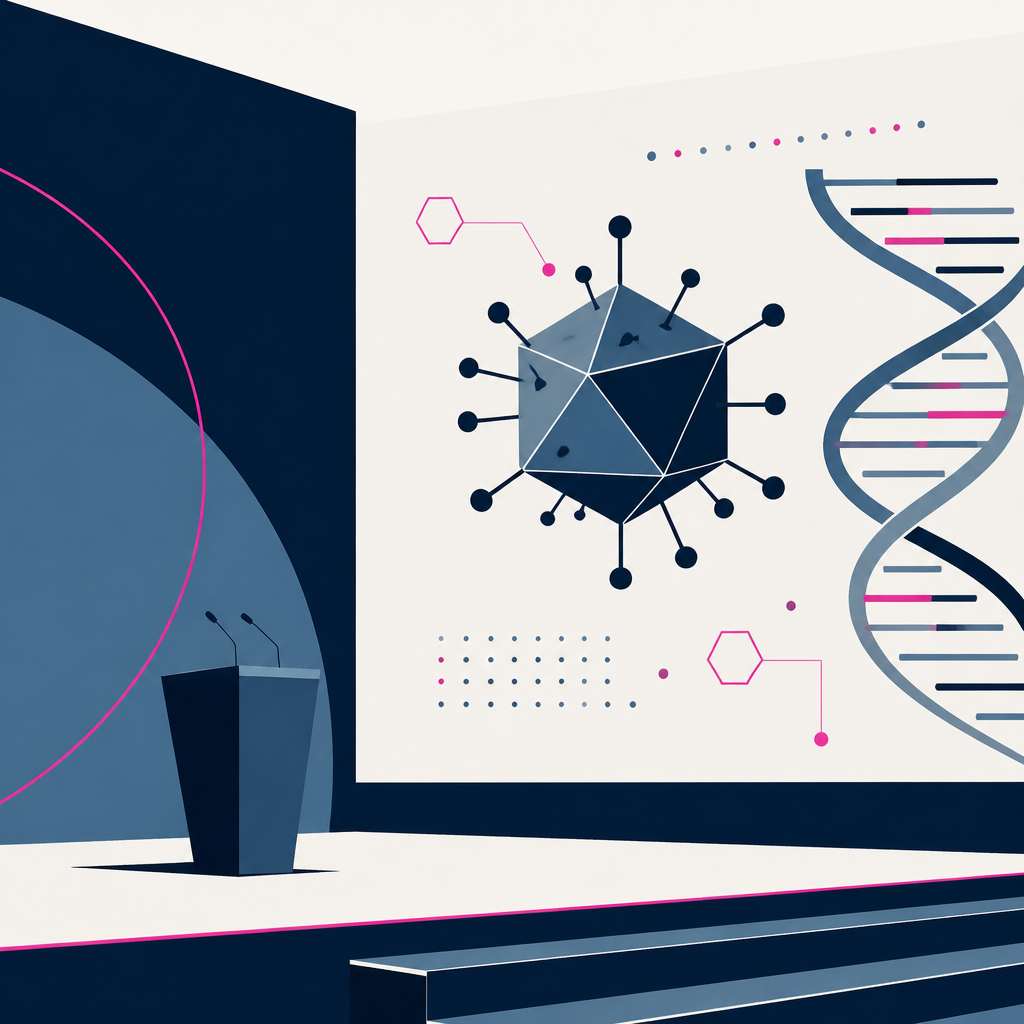
Stanford PhD student Samuel King used AI to design virus blueprints. Now MIT Tech Review is grilling him on whether this is the start of AI-made life.
Based on reporting by MIT Technology Review, MIT Technology Review — read the original for the full story.
Summary, retelling and take written by AI under human oversight; images are AI-generated illustrations. How we work · Report an error
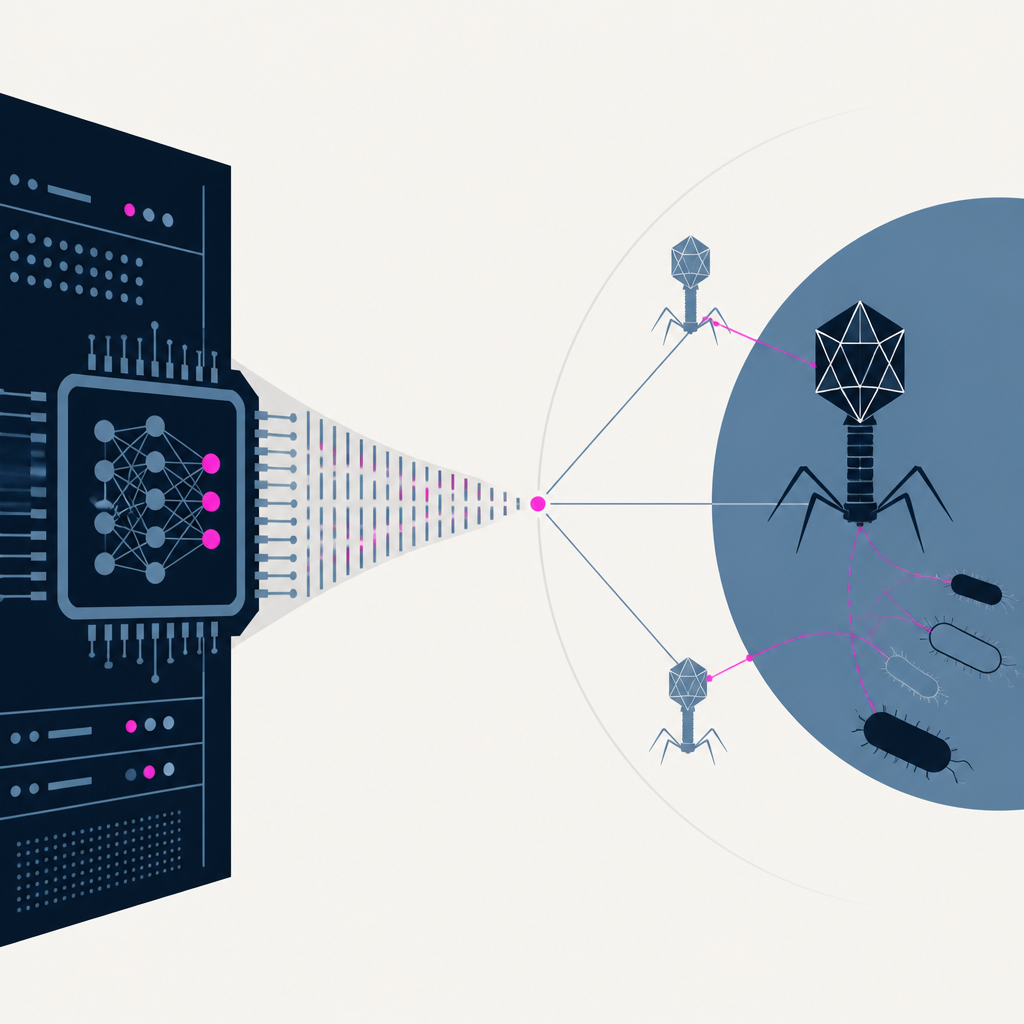
MIT Technology Review is setting up a live conversation with Stanford University PhD student Samuel King on October 16, 2026, and the hook is hard to miss: can AI design new life forms? The short answer from King’s work so far is no, not quite. But in 2025, he used a generative AI model to propose genetic blueprints for microscopic viruses, which is close enough to make people sit up straight.
That project has already pushed him into MIT Technology Review’s Innovators Under 35 list, and it has also turned him into a useful test case for a bigger question in biology. If an AI can sketch a virus’s genetic plan, what exactly comes next? The source doesn’t claim AI-designed life is here. It does say this could be the next step, which is a very different and more unsettling sentence.
James O’Donnell, MIT Technology Review’s senior AI reporter, will interview King in a live session at 18:30 BST, 1:30pm EDT, and 10:30am PDT. The conversation is being framed not just as a demo of a technical trick, but as a look at new ways of seeing biology. That may be the real story: once AI starts making proposals for living systems, the old line between reading nature and drafting it gets a lot thinner.
My take — AI-written commentary, not fact-checked reporting
This is exactly the sort of AI story that deserves less hype and more guardrails. A model proposing virus blueprints is not a victory lap; it is a reminder that biology does not care how clever the software feels. The industry loves to talk about creativity, right up until creativity starts touching things that can reproduce.
Read more about this at: MIT Technology Review