QApilot MCP for Android
Product Hunt fmerian
QApilot launched MCP for Android, so Claude, Cursor, or Codex can run Android tests in plain English. It uses real devices and emulators, and saves each run as a replayable test.
Based on reporting by Product Hunt, fmerian — read the original for the full story.
Summary, retelling and take written by AI under human oversight; images are AI-generated illustrations. How we work · Report an error
QApilot has pushed a second launch, and this one puts Android testing inside the coding agent. The pitch is simple: instead of writing Appium code, a developer describes the test flow in plain English and lets an agent handle the rest.
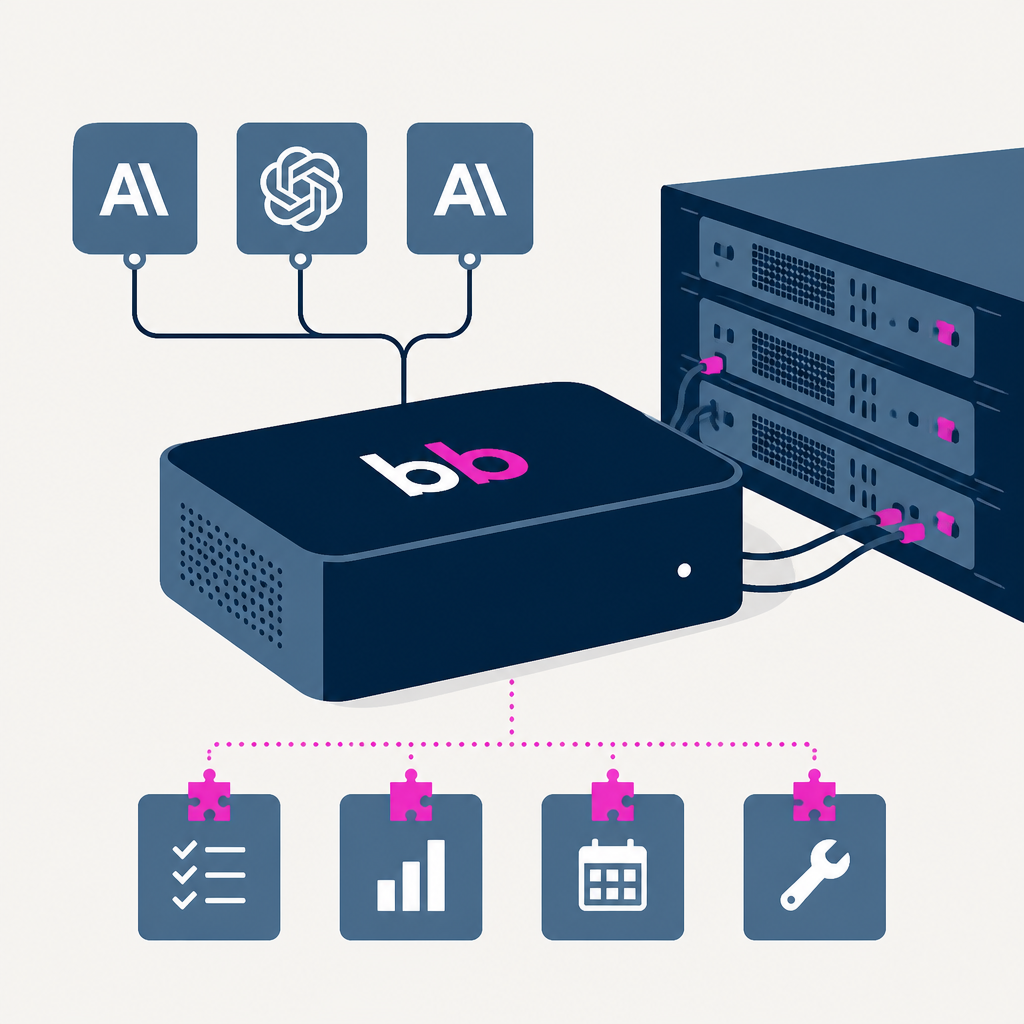
The system talks to Claude, Cursor, or Codex, then runs tests on real Android devices and emulators. QApilot says it finds elements, waits for screens to settle, retries when things move, and remembers what it learns so repeat runs get faster. That last bit matters. Mobile apps are full of tiny delays, shifting layouts, and little surprises that make brittle automation a pain.
Each pass also writes out a Gherkin feature file, which turns the run into a replayable test case. So this is not just a one-off demo stitched into a chat window. It is trying to turn the agent’s work into something a team can keep using.
There is a catch, of course: it needs Node, Java, and the Android SDK. That keeps it in developer territory, not no-code fairy dust. But for teams already living in that stack, QApilot is making a clear bet that mobile testing should move closer to the coding agent instead of staying buried in separate tooling.
My take — AI-written commentary, not fact-checked reporting
This is the right direction. Mobile testing has always been too much like paying a toll to a sad little robot that only understands exact instructions, so letting agents take the first pass makes sense. The real tell is whether teams keep the Gherkin files and reuse them, or treat this like another shiny demo and move on.
Read more about this at: Product Hunt