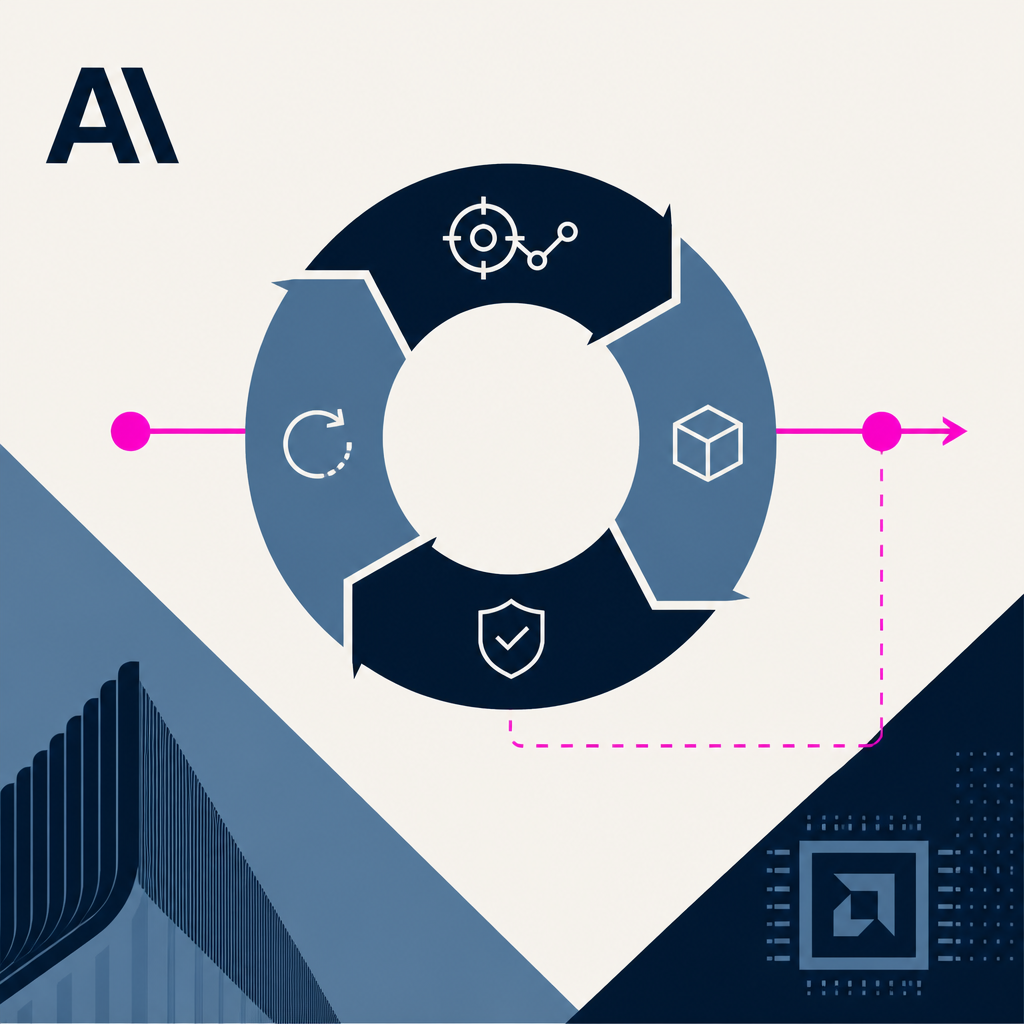
Prompt Engineering vs Loop Engineering vs Graph Engineering: What Changes at Each Layer
MarkTechPost Asif Razzaq ● Covered by 2 sources
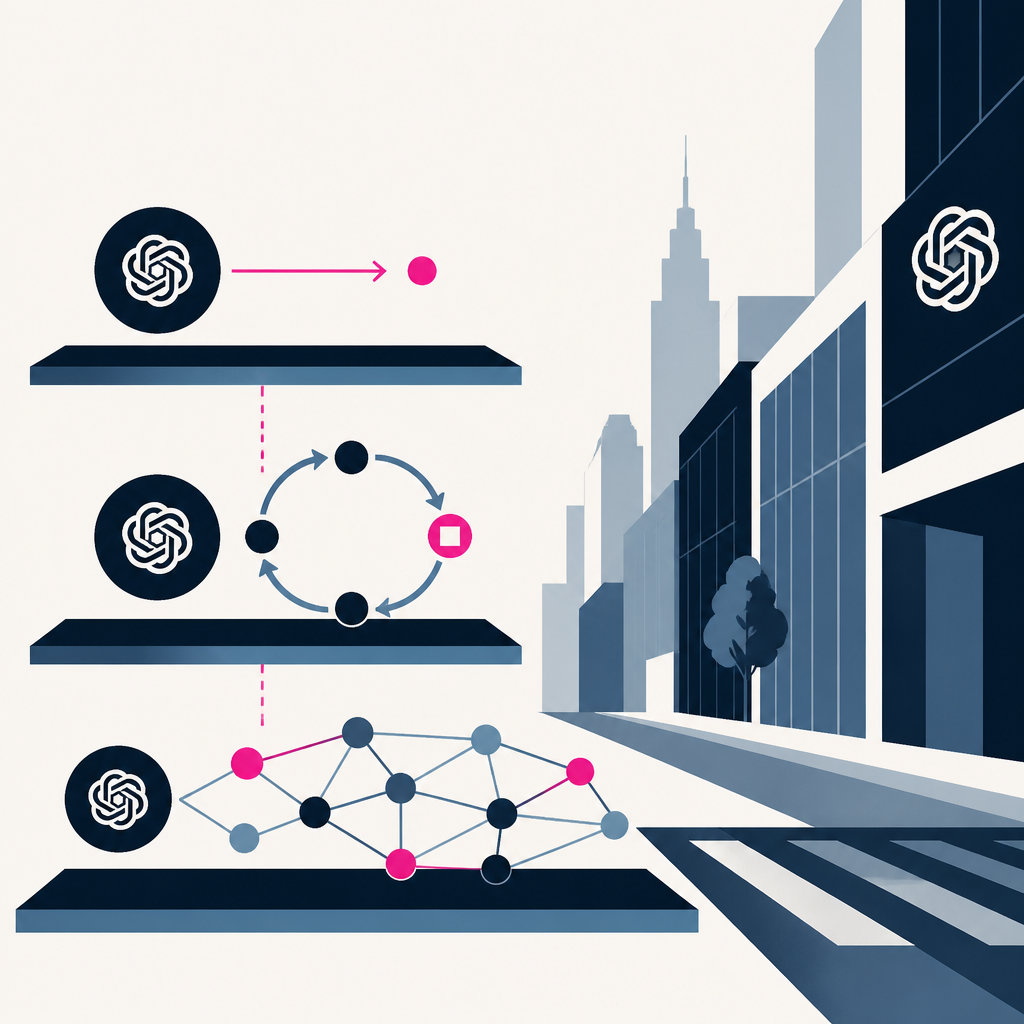
AI engineers now argue over prompts vs loops vs graphs, but they're not rivals. They're three stacked layers of control, each built on the one below.
Based on reporting by MarkTechPost, Asif Razzaq — read the original for the full story.
Summary, retelling and take written by AI under human oversight; images are AI-generated illustrations. How we work · Report an error
There's a new naming problem in AI engineering, and it's actually useful for once. Prompt engineering, loop engineering, and graph engineering keep getting tossed around as if they're competing techniques, three ways to do the same job. They're not. They're three different units of control stacked on top of each other, and mixing them up is why so many teams overbuild simple tasks or underbuild complicated ones.
A prompt governs a single model response — Anthropic's own guidance is basically write clear, labeled instructions and hand over the minimum context that fully specifies what you want. A loop governs one agent's repeated cycle of acting, checking, and recovering, which only became a mainstream term in June 2026 after a widely shared post told developers to stop babysitting coding agents and start designing the loops around them. Anthropic's Claude Code team said the same thing on stage that week. A graph, the newest and messiest label, governs how multiple agents are organized — who owns what, and how tasks split and merge across them. None of this replaces what came before. Anthropic found that fixing its own multi-agent research system's coordination failures — early versions spawned 50 subagents to answer trivial questions — came down to better prompting, not a fancier topology.
The loop layer's real trick, according to the most detailed public breakdowns, is five building blocks: scheduled automations, isolated worktrees so parallel agents don't clobber each other's files, written-down project knowledge instead of re-explaining context every session, plugin access to real systems like issue trackers, and a maker/checker split so the model grading the work isn't the same one that wrote it. State has to live outside the conversation, usually in a markdown file, because the model forgets between runs. None of that is the hard part, though. The hard part is the stop condition — teaching a loop to mechanically tell
My take — AI-written commentary, not fact-checked reporting
I'll say the quiet part: most teams reaching for graph engineering don't need it, they need a better stop condition on the loop they already have. Multi-agent orchestration is genuinely useful for parallel, writing-heavy work, but it's also become the new resume-driven-development trend, and the 15x token bill for a 90% eval bump should scare more people than it does.
Read more about this at: MarkTechPost