
Pat Gelsinger and Naveen Rao: we've seen Silicon Valley move fast and break things, but consider the math of where we’re headed
Fortune Naveen Rao
Opinion — commentary, not a factual news event.
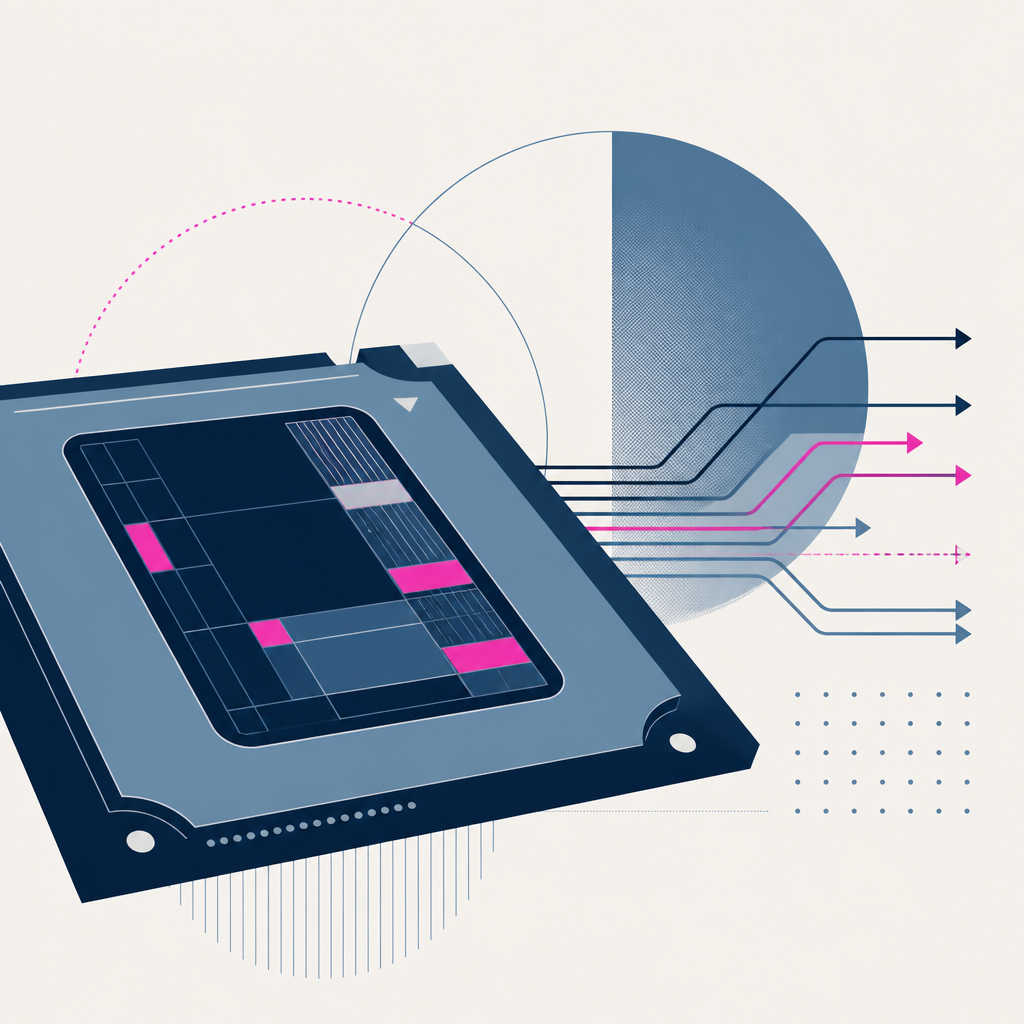
AI’s shaking up jobs fast, but the authors say it may create more than it kills. Their bet: the bottleneck is workers, not work.
Based on reporting by Fortune, Naveen Rao — read the original for the full story.
Summary, retelling and take written by AI under human oversight; images are AI-generated illustrations. How we work · Report an error
Silicon Valley once loved the idea of moving fast and breaking things. Pat Gelsinger and Naveen Rao think the breakage this time is different: AI is compressing a whole industrial upheaval into a few years, not decades. That speed is why the panic feels so sharp. And it’s why they say the usual job-loss story is too simple.
Their argument starts with a familiar pattern. Pat points to Intel fabs, where safety technicians once checked for dangerous chemical leaks. Robot dogs took over that part of the job, and some of those technicians moved into fleet management instead. The work got safer, inspections got more frequent, and the human job changed rather than vanished.
Naveen makes the same case from his own startup. His company got a chip designed in six months without a dedicated team, something he says wasn’t possible before AI. He says growth is being held back by hiring, not by a lack of ideas. In that view, AI doesn’t mean fewer engineers. It means more shots on goal.
They also argue the labor shortage is the real story. More than 11,000 Americans turn 65 every day, birth rates are falling across most of the developed world, and healthcare is the fastest-growing sector in the country. The AI buildout itself is short about 350,000 construction workers this year, and electrician wages are rising two to four times faster than wages overall. The bottleneck, they say, is people who can wire buildings, staff hospitals, and keep things running.
The examples keep going: Japan, long ahead of the curve on automation; RapidSOS, which uses AI to transcribe and translate emergency calls; race cars that now generate more real-time data than a tiny team can digest alone. Their bigger point is blunt. New tools don’t just replace tasks. They lower the barrier to starting things, which creates more products, more businesses, and more jobs with names nobody has settled on yet.
My take — AI-written commentary, not fact-checked reporting
The sentimental “good old days” talk is doing a lot of damage here. Rural life was never some clean, stable museum piece; it was brutal, and the next decade should be about making work safer and more abundant, not preserving hardship as heritage. Closing the door on AI because it feels rude would be a very expensive way to protect a myth.
Read more about this at: Fortune
Related stories
 Exclusive: Goolsbee says AI is 'not far' from overheating the economy
Fortune ·
2
Exclusive: Goolsbee says AI is 'not far' from overheating the economy
Fortune ·
2
 Why the AI economy is like a bad dating app — drowning in decks, pilot purgatory — and it's playing out like the dotcom bubble, except worse
Fortune ·
50
Why the AI economy is like a bad dating app — drowning in decks, pilot purgatory — and it's playing out like the dotcom bubble, except worse
Fortune ·
50
 AI is changing work faster than the data can keep up
Fortune ·
51
AI is changing work faster than the data can keep up
Fortune ·
51