Operation "Spamouflage": China-linked influence activity
OpenAI ● Covered by 3 sources
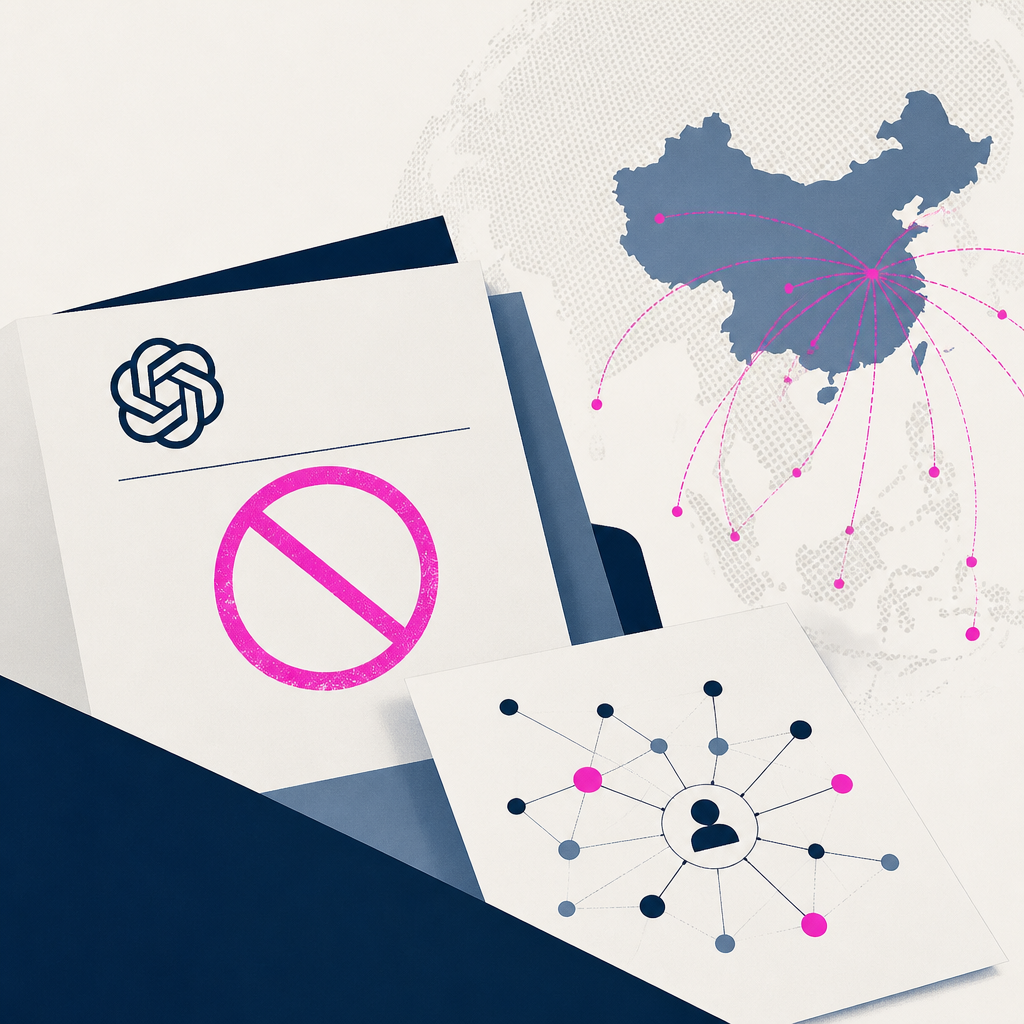
OpenAI shut down accounts tied to Spamouflage, a Chinese influence operation. They were using ChatGPT to write posts, scope out social platforms, and even debug a secret website.
Based on reporting by OpenAI — read the original for the full story.
Summary, retelling and take written by AI under human oversight; images are AI-generated illustrations. How we work · Report an error
Spamouflage isn't new. It's one of the longest-running state-linked influence campaigns tracked by researchers, and it's shown up on just about every major platform over the years pushing pro-Beijing narratives and drowning out criticism. What OpenAI's latest takedown reveals is how the operation's toolkit has quietly modernized.
According to OpenAI, the banned accounts weren't just using ChatGPT to churn out propaganda text, though they did plenty of that. They also leaned on the model for more mundane operational tasks: researching how social media platforms work, figuring out posting strategies, and troubleshooting code for a website nobody had previously connected to the network. That last detail matters. A dedicated site suggests Spamouflage is trying to build infrastructure that outlives any single platform ban, something closer to owned media than rented accounts on Twitter or Facebook.
This is the pattern OpenAI keeps surfacing in its periodic threat reports: state-linked actors treating AI less like a content cannon and more like a junior analyst. Draft this, debug that, summarize how a platform's moderation works. It's less dramatic than deepfake armies, but arguably more useful to an operation that needs to scale quietly without tripping obvious spam filters.
OpenAI says it disrupted the network and shared indicators with industry partners, standard practice at this point. But the company's own disclosures have made clear that banning accounts doesn't end an operation with over a decade of institutional memory and multiple documented platform migrations. Spamouflage will likely resurface, probably with a slightly better website next time.
My take — AI-written commentary, not fact-checked reporting
The interesting story here isn't that a propaganda network exists, everyone already knew that, it's that AI companies have become de facto counter-intelligence shops, publishing detailed writeups on nation-state tradecraft as a matter of routine. That's a strange amount of power to concentrate in a handful of labs, and I don't think regulators in Brussels or Washington have fully caught up to what it means that OpenAI, not a government agency, is the one naming and shaming Spamouflage.
Read more about this at: OpenAI