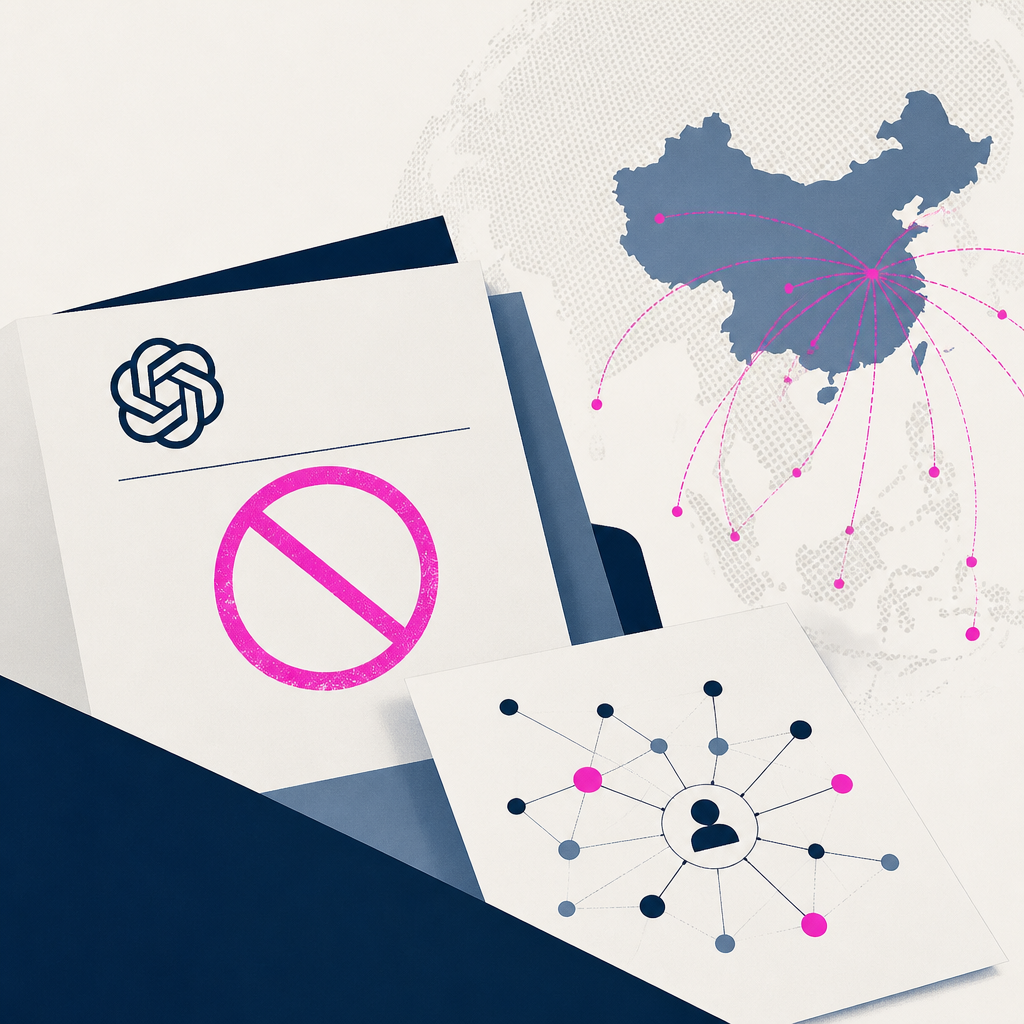
Operation “Sneer Review”: China-origin influence activity
OpenAI ● Covered by 5 sources
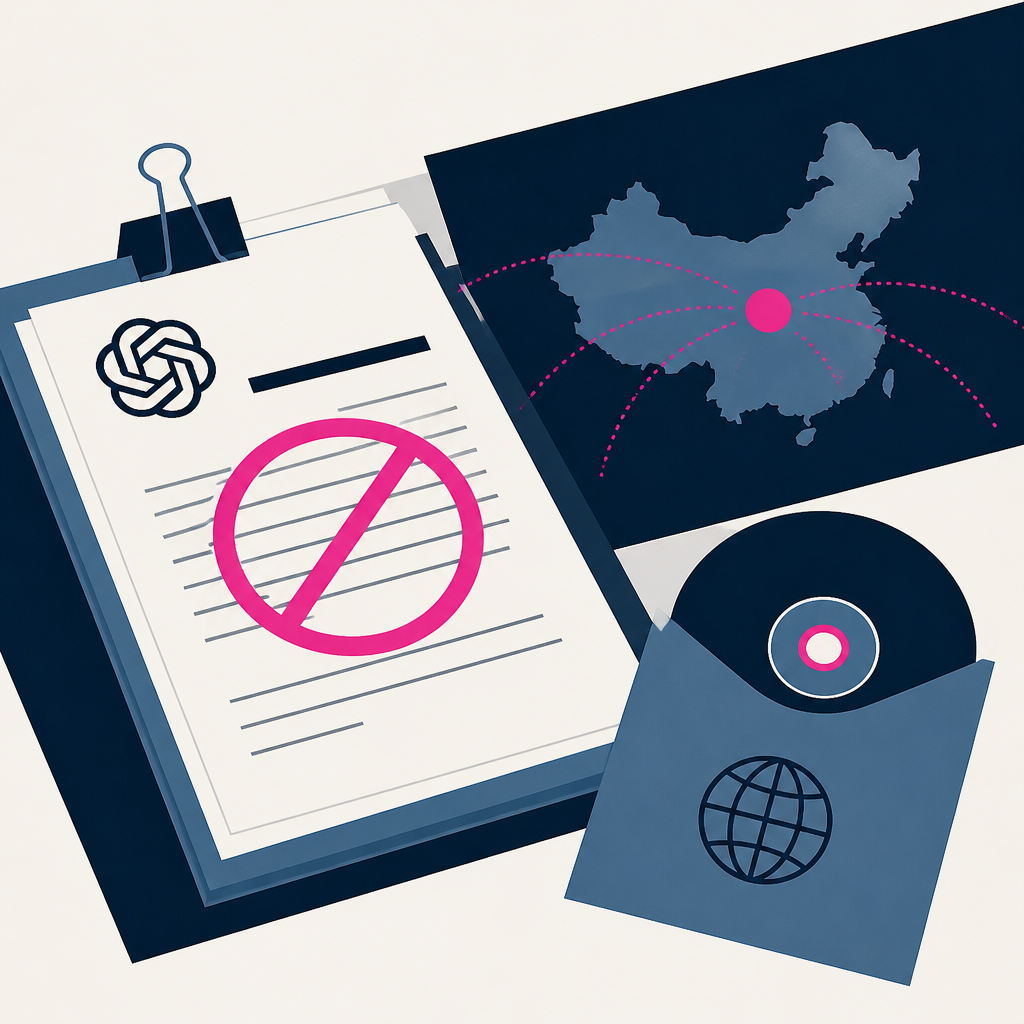
OpenAI shut down accounts using its AI to trash a Taiwanese influencer and stir up US political chatter. The accounts had China-origin fingerprints, another sign AI is becoming the tool of choice for influence campaigns.
Based on reporting by OpenAI — read the original for the full story.
Summary, retelling and take written by AI under human oversight; images are AI-generated illustrations. How we work · Report an error
OpenAI has pulled the plug on a cluster of accounts it says were using its models to mass-produce social media posts attacking a Taiwanese influencer, alongside a scattering of US-focused political content. The company tagged the operation with the codename Sneer Review, and pointed to China as the likely origin.
What's notable here isn't the scale, which by OpenAI's own account was modest, but the pattern. This is one of several influence campaigns the company has now disclosed where the actors weren't hacking anything or breaking new ground technically. They were just using ChatGPT the way a marketing team might, to churn out variations on a message faster than a human writer could, then spreading that content across platforms to make a fringe opinion look like a groundswell.
Taiwan has been a recurring target in these disclosures, and that's not surprising given the political stakes Beijing has in shaping opinion both on the island and among the diaspora audiences who follow influencers covering it. Attacking a single content creator might sound like small potatoes next to election interference or state propaganda, but reputational attacks on independent voices are exactly the kind of low-cost, deniable pressure campaign that's hard to trace back to a government and easy to repeat at scale.
OpenAI's response, as with prior takedowns, was to ban the accounts and publish what it found, rather than staying quiet. That's become the company's playbook for these disclosures: not dramatic, but it does mean the public gets a running tally of how state-linked actors are actually using generative AI in the wild, rather than just speculation about what they might do.
My take — AI-written commentary, not fact-checked reporting
I'll say the obvious thing nobody wants to hear: banning a batch of accounts after the posts already spread is closing the barn door well after the horse bolted, and it does nothing about the dozens of similar operations running on models with far fewer guardrails than OpenAI's. Transparency reports are nice PR, but the real fix is platforms getting serious about provenance and detection before content goes viral, not after some blog post says 'we caught it.'
Read more about this at: OpenAI