Operation "Doppelganger": Russian influence activity targeting Ukraine
OpenAI ● Covered by 3 sources
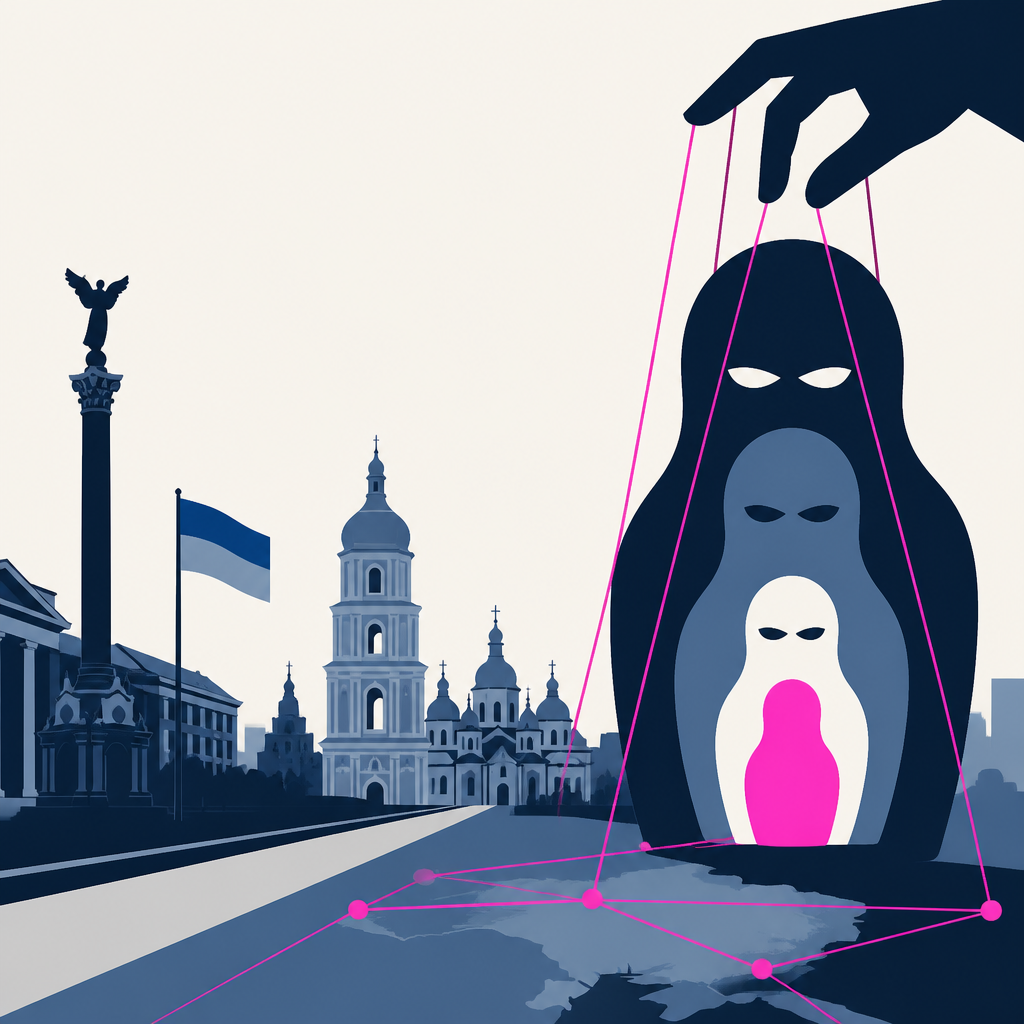
OpenAI banned accounts tied to Russia's 'Doppelganger' influence campaign for using its AI to churn out anti-Ukraine content.
Based on reporting by OpenAI — read the original for the full story.
Summary, retelling and take written by AI under human oversight; images are AI-generated illustrations. How we work · Report an error
OpenAI's latest threat report reads less like a tech update and more like a counterintelligence memo. The company confirmed it shut down accounts linked to Doppelganger, a Russian-origin influence operation that's been sowing anti-Ukraine sentiment online since at least 2022. What's new here isn't the operation itself — researchers have tracked Doppelganger for years — but the tooling behind it.
According to OpenAI, the banned accounts were using its models to mass-produce social media comments, generate translations, and write website copy, all aimed at undermining support for Ukraine across multiple languages. This is the grunt work of propaganda: the repetitive, volume-heavy content that used to require rooms full of paid trolls typing in broken English. Now a language model does it faster, cheaper, and in fluent German, French, or Polish without breaking a sweat.
The operation's playbook hasn't fundamentally changed — flood comment sections, mimic legitimate news outlets, push narratives that fracture Western unity on Ukraine. But the scale problem that used to limit these campaigns is dissolving. A single operator with API access can now do what once took a small team, and do it in a dozen languages simultaneously.
OpenAI didn't share exact numbers on how many accounts were caught or how much content got generated before the bans landed. That's a pattern with these disclosures: enough detail to prove the threat is real, not enough to map the full scope. Still, the acknowledgment itself matters. It's another data point in a growing list of state-linked actors — Russian, Chinese, Iranian — caught trying to weaponize commercial AI tools for influence operations, and it confirms Ukraine remains squarely in the crosshairs.
My take — AI-written commentary, not fact-checked reporting
I run TLDRocket because I think AI coverage is drowning in hype from people who've never shipped a model or fought a bot farm, so seeing OpenAI actually name Doppelganger and Russia is refreshing. But let's be honest: banning accounts after the fact is whack-a-mole, not defense. If the real fix is watermarking, better detection, or slower API onboarding for suspicious actors, none of that made it into this announcement, and that gap is what should worry policymakers in Brussels and Washington alike.
Read more about this at: OpenAI