OpenCompanion
Product Hunt Yusup Supriyadi
OpenCompanion keeps tabs on Claude Code, Codex CLI, and OpenCode sessions in one place. It flags when a folder is waiting for approval, so you don’t miss prompts buried in a terminal.
Based on reporting by Product Hunt, Yusup Supriyadi — read the original for the full story.
Summary, retelling and take written by AI under human oversight; images are AI-generated illustrations. How we work · Report an error
OpenCompanion is a new command-line companion for people running multiple AI coding agents at once. If Claude Code, Codex CLI, or OpenCode is hopping between folders, the annoying part isn’t the work itself. It’s the waiting: one session stops for permission, and unless you happen to be staring at that terminal, you may not notice right away.
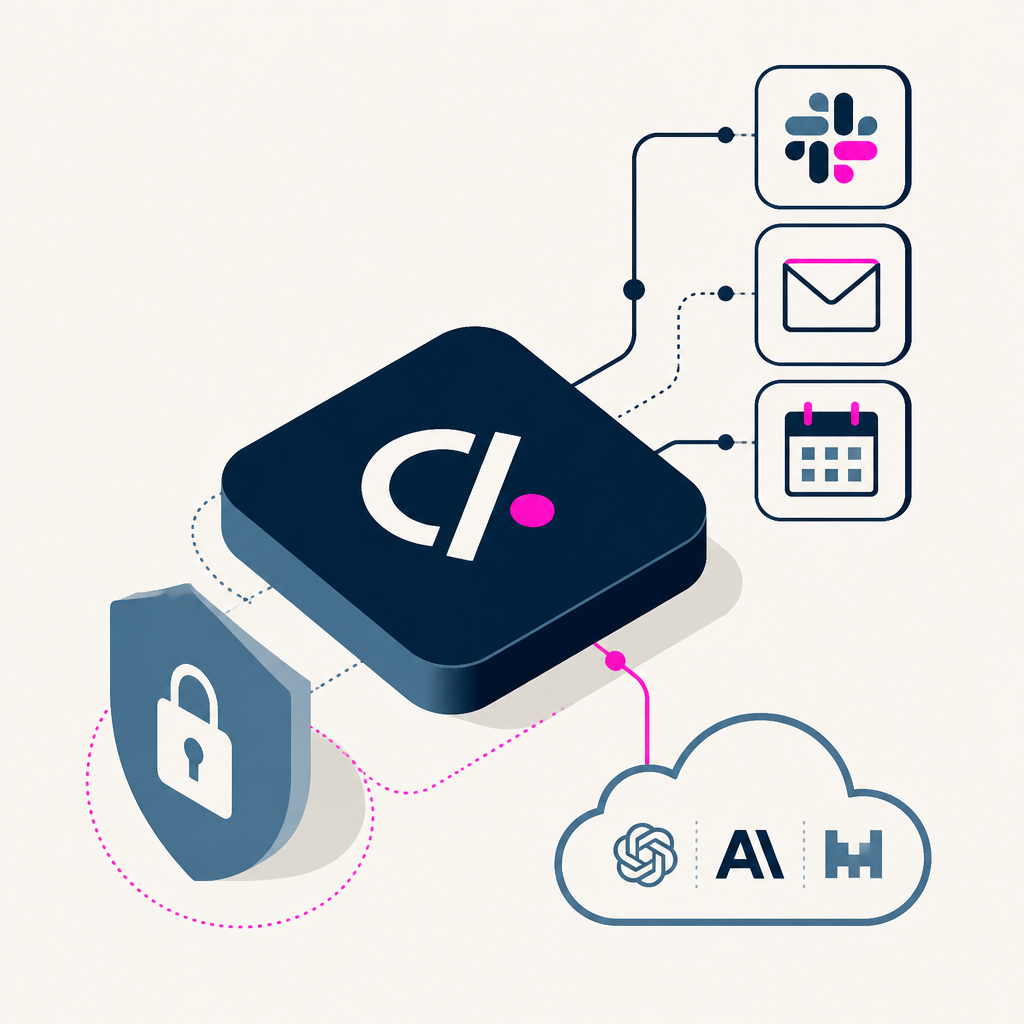
The pitch here is simple. OpenCompanion starts those sessions and puts them on one screen, so you can see which one needs attention without hunting through a pile of terminals. When something pauses for approval, the app tells you. And because it works across the desktop and a phone on the same Wi-Fi, you don’t have to be tied to the machine where the agent is running.
The privacy story is unusually blunt for a tool in this category: no account, no cloud server, no telemetry. That makes it feel less like a platform and more like a utility, which is probably the right shape for something that just needs to keep several local sessions from going quiet at the wrong moment.
It’s also open source under the MIT license and available for Windows, Linux, and macOS. So this is not a grand reinvention of coding agents. It’s a small layer around them, aimed at the most mundane failure mode in the whole setup: forgetting that one of your little robot interns is waiting at the door.
My take — AI-written commentary, not fact-checked reporting
This is the right kind of AI tool: boring, local, and allergic to telemetry. The industry keeps selling grand agent futures, but most people just need fewer terminal tabs and fewer surprises. Open source plus no cloud is the part that actually earns trust; the rest is garnish.
Read more about this at: Product Hunt