Norway Moves to Ban A.I. Glasses in Public Places
Trending Topics Jakob Steinschaden
Norway wants to ban A.I. glasses in parks, schools, gyms and more. It’s the sharpest move yet in Europe’s fight over silent recording.
Based on reporting by Trending Topics, Jakob Steinschaden — read the original for the full story.
Summary, retelling and take written by AI under human oversight; images are AI-generated illustrations. How we work · Report an error
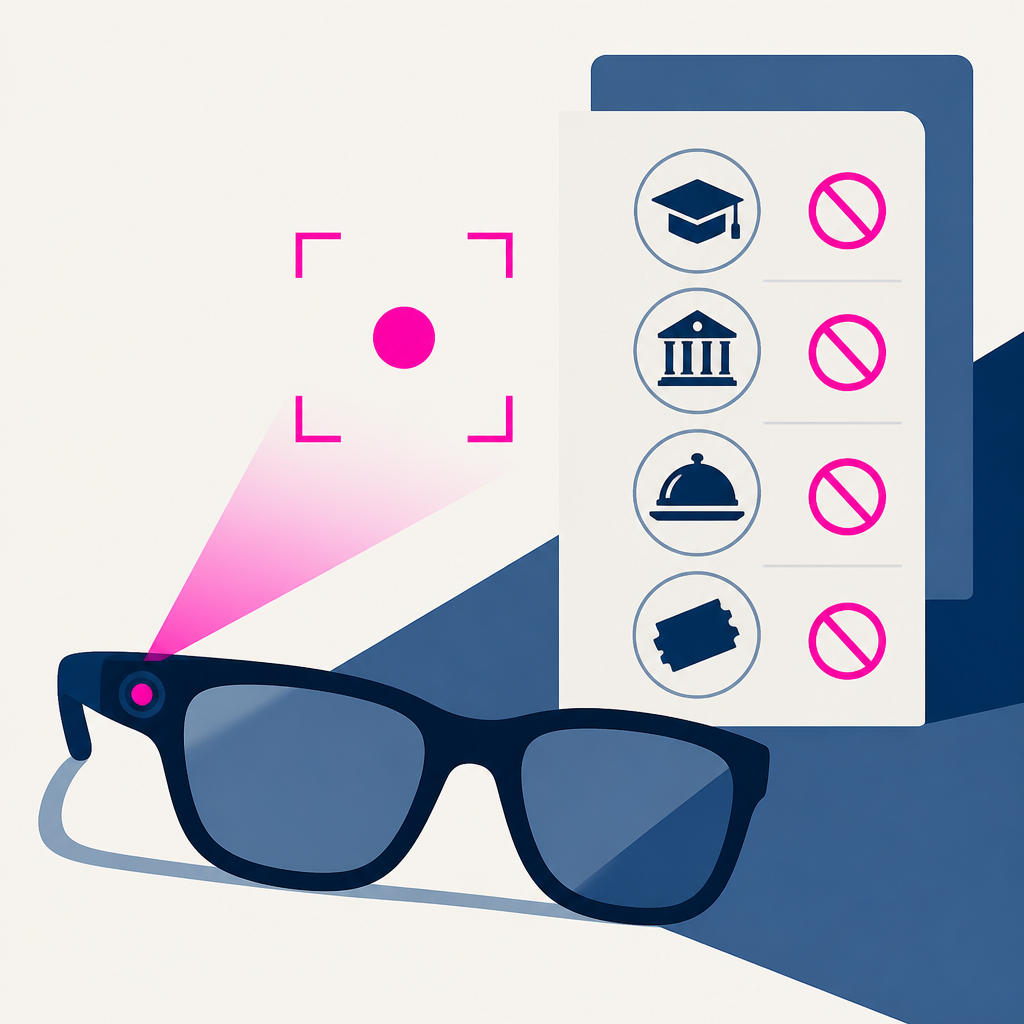
Norway is moving toward a temporary ban on A.I. glasses in a wide set of public places, including parks, beaches, museums, shopping centers and public events. The proposed rules would also cover schools, kindergartens, playgrounds, youth clubs, health care facilities, gyms, changing rooms and showers. The government is still deciding whether universities and colleges should be included, and it hasn’t settled exactly which devices would fall under the ban.
The target is clear enough, though: glasses with a camera and microphone, glasses with a camera and A.I. features, and other wearables that can record images or sound. The plan is for a bill to reach Parliament as soon as possible while an expert group works on permanent rules. Torgeir Micaelsen, the new minister of digitalization, says the worry is simple — technology is arriving that could let people be photographed, filmed or recorded without knowing it.
This is not Norway’s first move. Karianne Tung, Micaelsen’s predecessor, had already announced tougher rules this summer, including a ban on automatic facial recognition in public spaces. But she stopped short of banning the devices themselves. Oslo has also already banned smart glasses in all of its schools since late August.
The pressure is building elsewhere too. In the Netherlands, the data protection authority says filming other people with camera glasses is often not allowed and wants bans in sensitive places such as hospitals, courts and places of worship. The consumer group Consumentenbond wants Meta’s glasses banned in their current form, and Hans Anders has pulled the Ray-Ban Meta glasses from its stores. Parliament has backed a motion to explore more restrictions, with exceptions for medical uses, but the government is waiting for guidance from the European Data Protection Board and says existing laws may already be enough.
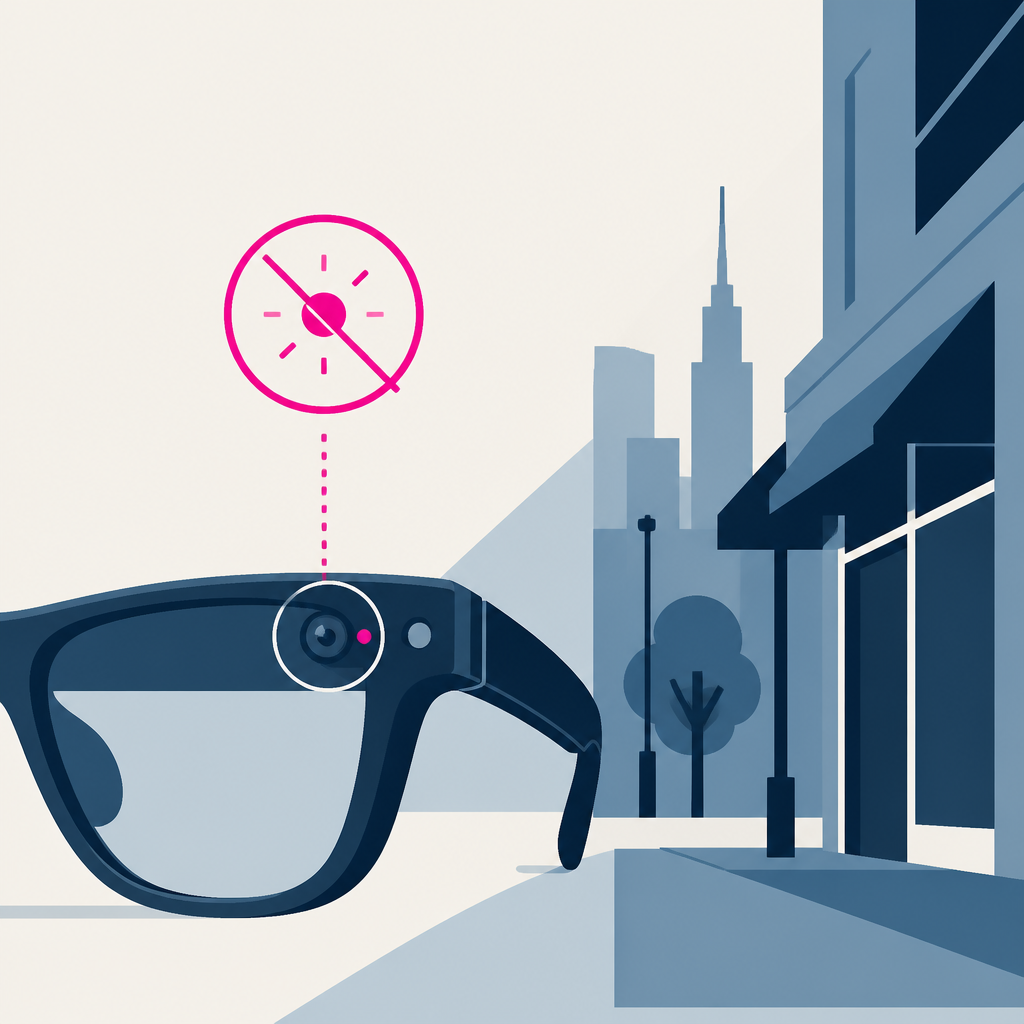
Germany is also tightening. Hamburg’s state parliament voted in early September to ban smart glasses in municipal swimming pools and saunas, and on the city’s buses and trains, with an exception for people with visual impairments. That ban still needs to be put into effect. Across the country, lawmakers from the Social Democrats, the Greens and the Left Party are pushing for stricter rules, while critics of the glasses are focused on the tiny LED that is supposed to show when recording is happening. A Civey survey commissioned by HateAid found that 47 percent of respondents didn’t know what the white light means.
My take — AI-written commentary, not fact-checked reporting
Europe keeps rediscovering the same lesson: if a device can quietly record people, public trust evaporates fast. The fact that governments are now arguing about glasses in pools, schools and changing rooms says less about A.I. than about common sense finally catching up. Meta can slap on a tiny light and call it transparency; everyone else just calls it a camera on your face.
Read more about this at: Trending Topics