
Mice with human brain cells offer a tool to study disease. Ethicists ask: What's next?
TLDR
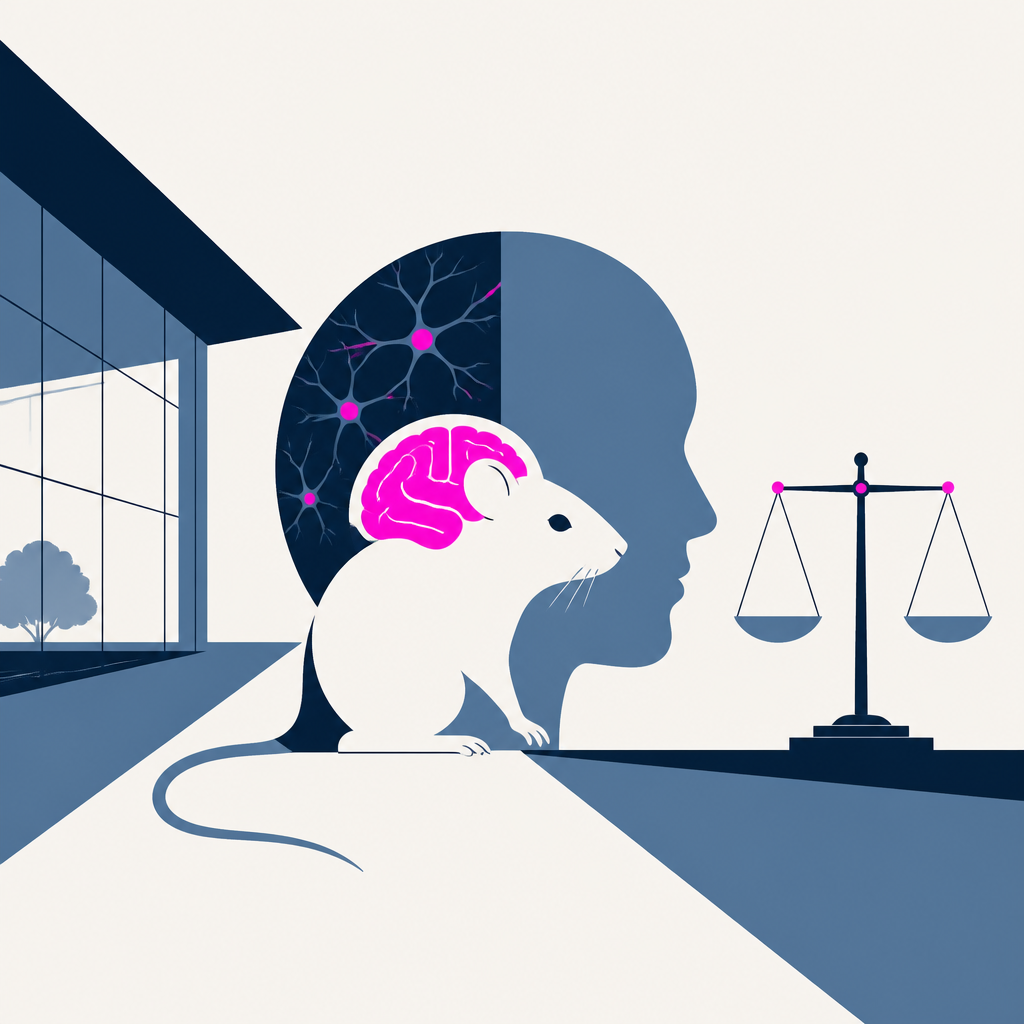
Researchers replaced most of mice’s missing cerebral cortex with lab-grown human brain cells to create mice with human neurons for disease research. The work used “millions” of human brain cells. This changes preclinical disease modeling by aiming to more closely mimic human brain conditions, while raising ethics questions about what researchers do with such animals next.
Why it matters
Researchers installed millions of human brain cells into mice by replacing much of the mice’s missing cerebral cortex with lab-grown human cells. The result is mice with human neurons that can be altered to approximate human brain conditions—potentially improving models for neurodegenerative disease.