
Meta Is Toying With the Idea of Smart Glasses That Record Everything, All the Time
Gizmodo
Meta's testing 'super-sensing' glasses that could snap photos every few seconds, no recording light required. Why it matters: given Meta's past with private training data, that's a scary combo.
Based on reporting by Gizmodo — read the original for the full story.
Summary, retelling and take written by AI under human oversight; images are AI-generated illustrations. How we work · Report an error
Meta's smart glasses ambitions just took a turn that should make anyone who owns a pair pause. According to a Financial Times report, the company is testing a prototype internally dubbed "super-sensing" that would capture photos of the wearer's surroundings every few seconds, essentially all day long. The pitch is an always-on assistant that remembers the small stuff for you — where you set your keys down, something you said earlier — turning the glasses into a kind of outsourced memory.
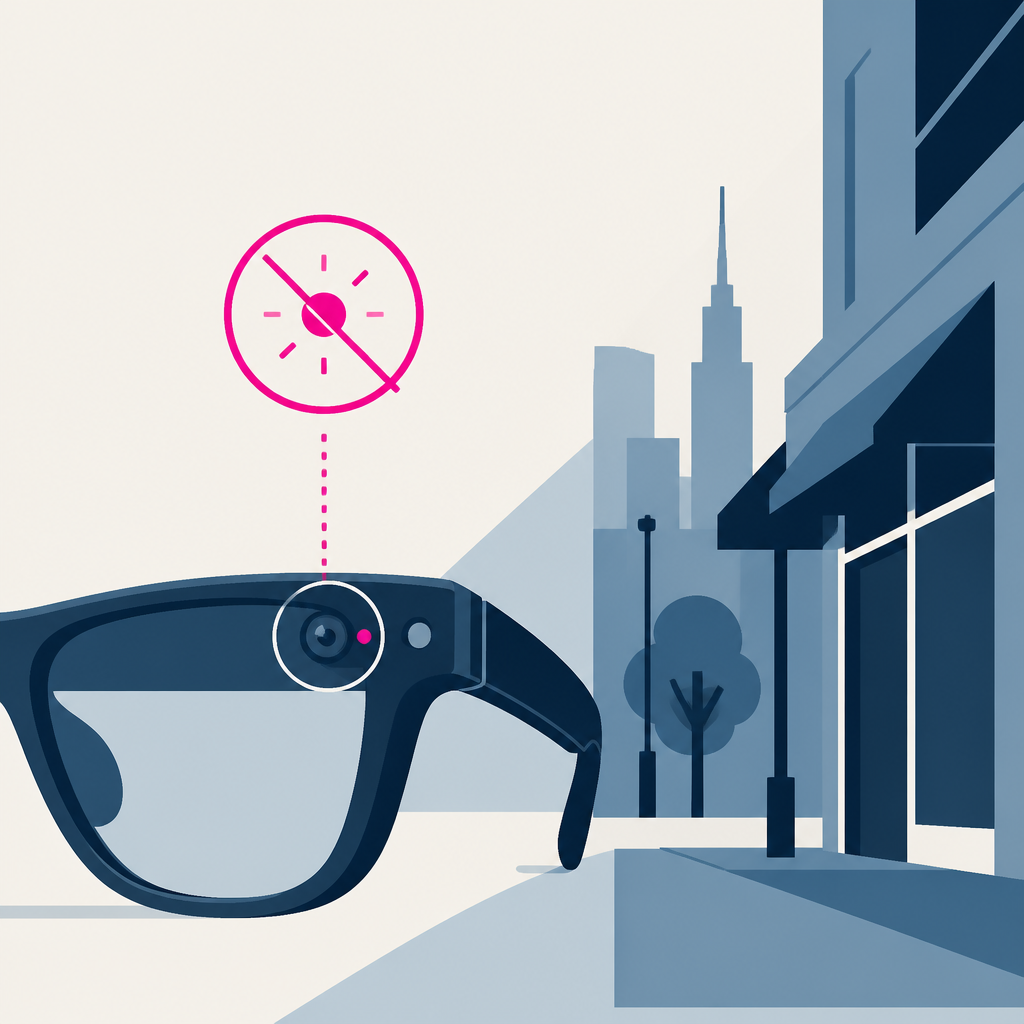
That's a real departure from how Meta's current glasses behave. Right now, capturing anything requires a voice command or a press of the capture button, and an LED lights up on the frame so people nearby know a camera is active. With the super-sensing prototype, sources told the Financial Times, there's no plan to light that LED when the glasses are quietly photographing whatever's in front of them.
Inside Meta, there's apparently disagreement over what happens to all that footage. One camp wants the images stored on Meta's servers and fed into AI training. Another proposal would collect only metadata rather than the photos themselves — a softer approach, sure, but not exactly reassuring, since metadata routinely includes precise location and device serial numbers.
A Meta spokesperson pointed to the company's Aria research glasses, shown off at Connect, as an example of "privacy protective technologies" that skip traditional photo and video capture while still helping users. The spokesperson wouldn't comment on internal prototypes specifically, only saying Meta wants glasses that people wearing them, and the people around them, can actually love.
That promise lands awkwardly given Meta's recent history. Earlier this year, Swedish outlet Svenska Dagbladet reported that footage collected to train Meta's AI was being routed to human contractors for review — and that footage reportedly included people having sex, using the bathroom, and handling sensitive banking details. Those were the incidental captures from existing hardware. It's hard to guess what glasses designed to record nonstop would end up sweeping in.
There's at least one practical wrinkle working against Meta here: battery life. Constant photo or video capture chews through power fast, and it's unclear current smart glasses hardware could sustain it without a super low-res sensor or some kind of external battery pack, neither of which sounds like an easy sell. Still, Meta has reportedly been exploring facial recognition for its glasses too, another feature with a rocky history for the company. Put those threads together and a pattern emerges — one Meta watchers have seen before: if the company can build it, it tends to.
My take — AI-written commentary, not fact-checked reporting
Meta pointing to "privacy protective" research glasses while quietly testing an always-on camera with no warning light isn't reassuring, it's a tell. Companies build the thing they think they can get away with, then market the softer version they showed at a conference. Given what already happened with human reviewers sifting through private moments for AI training, nobody should take Meta's word that super-sensing would be handled responsibly until there's an actual product with actual rules, not a prototype and a statement.
Read more about this at: Gizmodo
Related stories
 Meta makes AI glasses slightly less creepy with limit on nonconsensual recording
Ars Technica · 2 weeks ago ·
38
Meta makes AI glasses slightly less creepy with limit on nonconsensual recording
Ars Technica · 2 weeks ago ·
38