
Google is better at playing this game
The Verge Robert Hart ● Covered by 2 sources
EU orders Google to open Android to rival AI assistants like Gemini. Google gets until 2027 to comply — Apple's Siri AI is stuck in EU limbo instead.
Based on reporting by The Verge, Robert Hart — read the original for the full story.
Summary, retelling and take written by AI under human oversight; images are AI-generated illustrations. How we work · Report an error
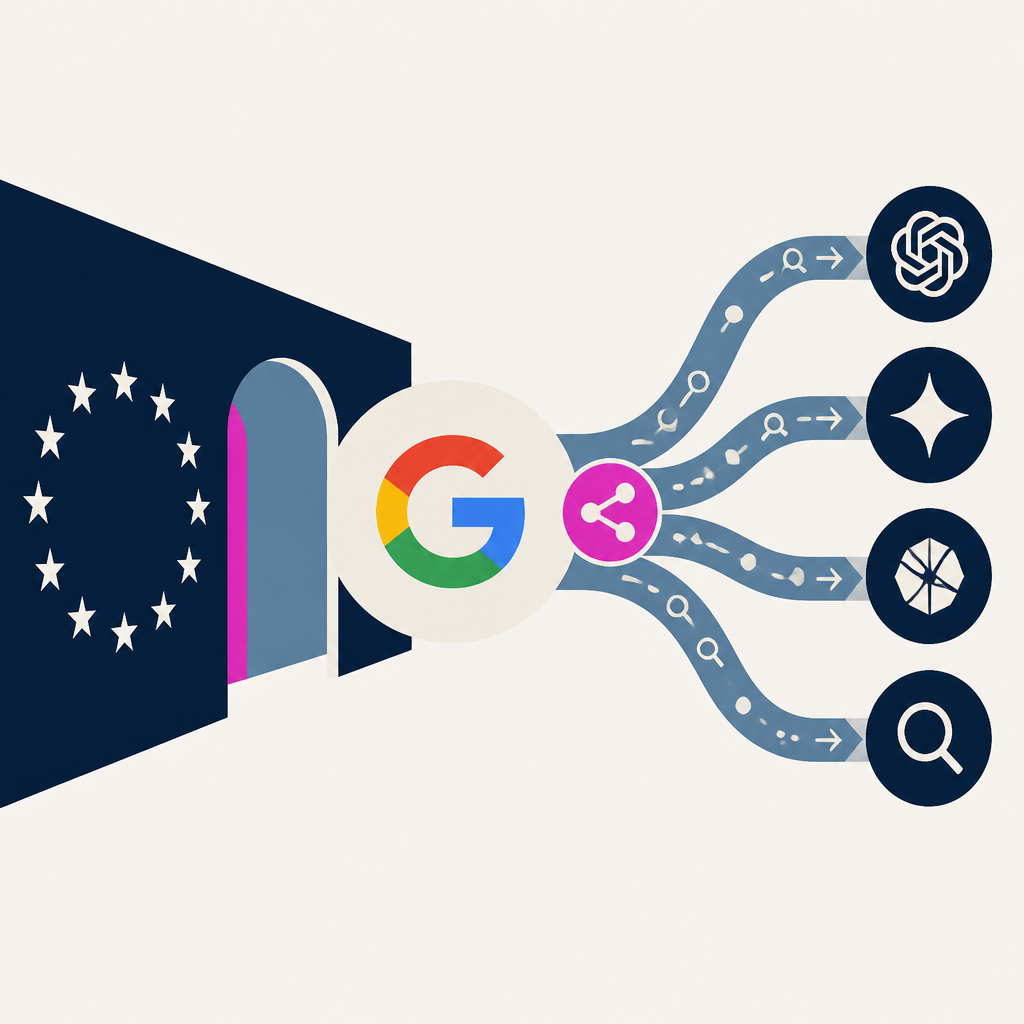
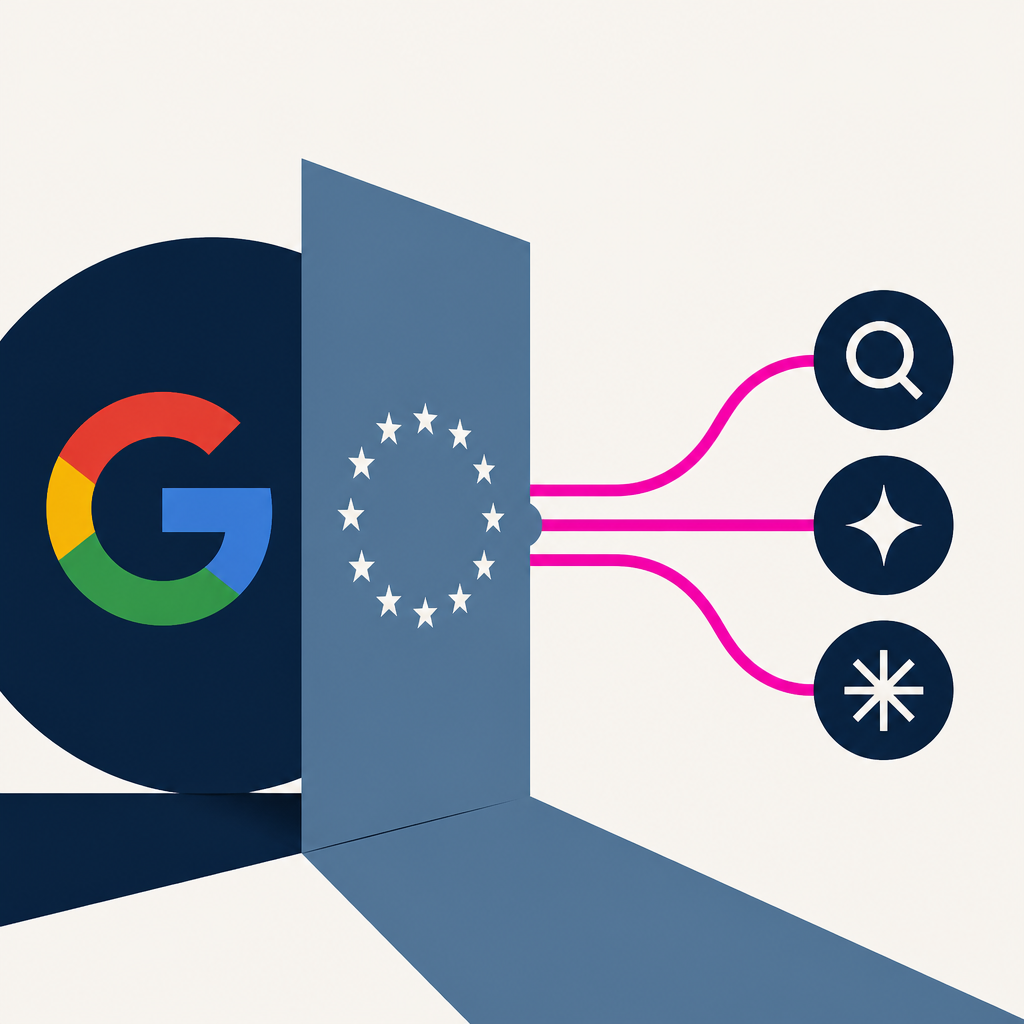
Brussels just told Google to let rival AI assistants tap into Android the same way Gemini does. On paper, that's a loss for a company that's spent years guarding that turf. In practice, it might be the smartest outcome Google could have hoped for.
The European Commission's order, one of two decisions issued Thursday under the Digital Markets Act, requires Google to give competing AI assistants comparable access to the system features and data that Gemini enjoys on Android. But the timeline tells the real story: Google has until July 2027 to make the changes. That's roughly a year of runway to keep expanding Gemini, hash out technical specifics with regulators, and shape exactly how OpenAI, Anthropic, and others eventually plug into the platform. Google hasn't said whether it will appeal, and declined to comment when asked.
Compare that with Apple, which announced its long-awaited Siri AI at WWDC last month and, in the same breath, said it wouldn't launch in Europe at all because of the DMA. The Commission's parallel ruling on Apple demands the same kind of third-party access to Siri AI's systems and data. Apple pushed back hard, calling the requirement 'irresponsible' and asking for 18 months to build a compliant version on a gradual rollout. Brussels said no. Apple still has no public date for bringing Siri AI to the EU.
The gap between the two companies' postures looks less like coincidence and more like strategy. Gemini has been central to Google's product roadmap for years, baked into Android devices as the default assistant, which gave Google every incentive to keep shipping and sort out compliance afterward. Apple, despite having years of warning that the DMA was coming, chose to build Siri AI and then withhold it, turning the absence into a public grievance — a keynote segment, a bluntly titled blog post, media briefings, all pointing at Brussels rather than Apple's own choices.
Both companies object to the DMA's interoperability rules on the same grounds — privacy, security, product integrity — and they've collaborated on integrating Gemini into Apple's own AI features, so it's plausible their fights aren't as separate behind the scenes as they look in public. What's not in doubt is the outcome so far: Google walks away with time and a market presence intact, while Apple got the door shut on the very extension it asked for, leaving Siri AI's EU debut an open question.
My take — AI-written commentary, not fact-checked reporting
Nobody should be surprised that the company built on shipping first and lawyering later out-negotiated the one that turned a product delay into a press tour. Apple's decision to make Brussels the villain in its own keynote was a bet that public sympathy beats compliance homework, and that bet just failed. If there's a lesson for anyone dealing with EU tech rules, it's that showing up with a working product and a plan tends to buy more goodwill than showing up with a grievance.
Read more about this at: The Verge
Related stories
 EU forces Google to share its toys with the other AI and search kids
The Register · 2 months ago ·
30
EU forces Google to share its toys with the other AI and search kids
The Register · 2 months ago ·
30
 It's official: EU will force Google to share search data and open up AI on Android
Ars Technica · 2 months ago ·
14
It's official: EU will force Google to share search data and open up AI on Android
Ars Technica · 2 months ago ·
14