TLDRocket
Sign in

Fine-Tuning Qwen3 with LoRA Using NVIDIA NeMo AutoModel: A Complete Single-GPU Google Colab Workflow Tutorial

MarkTechPost Sana Hassan Covered by 2 sources

A tutorial walks through fine-tuning Qwen3-0.6B with LoRA on a single free Colab GPU using NVIDIA's NeMo AutoModel. The same YAML recipe that runs there scales straight to 8-GPU or multi-node jobs with one flag.

Based on reporting by MarkTechPost, Sana Hassan — read the original for the full story.

Summary, retelling and take written by AI under human oversight; images are AI-generated illustrations. How we work · Report an error

There's a specific kind of tutorial fatigue that comes from reading yet another LoRA walkthrough, but this one from MarkTechPost earns its place by showing something less obvious than the fine-tuning itself: how NVIDIA's NeMo AutoModel keeps the exact same configuration structure whether you're running on a lone Colab GPU or a full multi-node cluster. The workflow starts by checking for CUDA and bfloat16 support, then clones the Automodel repository straight from GitHub and installs it from source alongside PyYAML and PEFT, rather than pulling some pre-baked package.

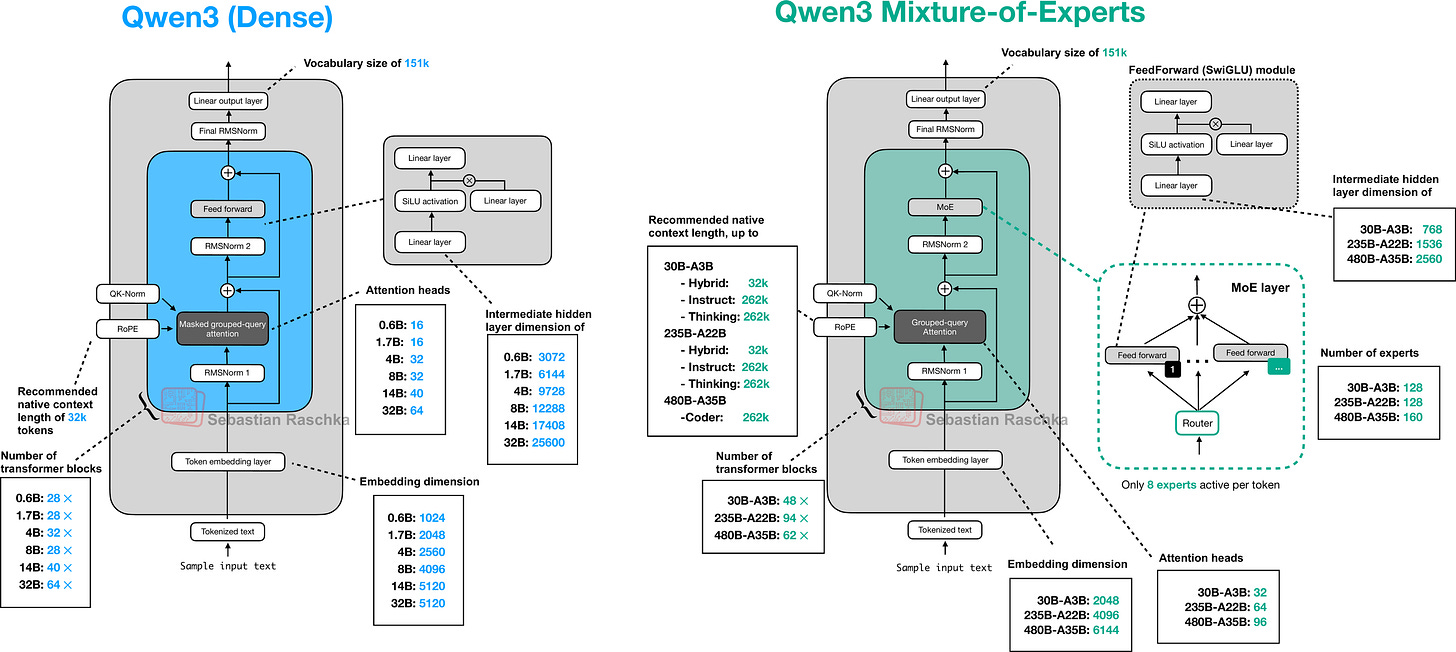
The actual target is a Qwen3-0.6B model, and the recipe comes straight from NVIDIA's own examples folder — an official PEFT YAML file built for LoRA fine-tuning. Because Colab's GPU is nowhere near what these recipes are usually tuned for, the tutorial writes a small recursive patch function that walks the YAML tree and downgrades bf16 to float32 where needed, caps batch size and global batch size, and pins training to 40 steps with checkpointing every 40 steps and a single epoch. Nothing about the recipe's shape changes — just the numbers that need to shrink to survive a free-tier GPU.

Training itself happens through the automodel command-line tool, fine-tuning against the HellaSwag dataset, with a fallback command included in case the CLI syntax has shifted between versions. Once training finishes, the tutorial hunts down the resulting LoRA checkpoint across a couple of possible directory patterns and loads it back onto the base model using PEFT. Then comes the actual test: feeding both the untouched base model and the fine-tuned version the same prompt about a man pulling shingles off a roof, and printing the generations side by side so the difference is visible rather than asserted.

The last stretch of the notebook swaps over to NeMoAutoModelForCausalLM, NVIDIA's own class that wraps the same Hugging Face-style interface people already know, just with NVIDIA-optimized execution underneath. It generates one more sample output and then closes with a rundown of what else lives in the Automodel examples folder — SFT and LoRA recipes for Llama, Qwen, Gemma, Phi, and GPT-OSS, pretraining setups, vision-language recipes, and diffusion fine-tuning for FLUX, Wan, and Qwen-Image. Swapping the base model is a one-line override, and scaling to eight GPUs or multiple nodes uses the identical YAML file with a different launch flag.

What makes this notebook worth a look isn't the LoRA fine-tuning step itself — that part is fairly standard PEFT plumbing at this point. It's the fact that the whole pipeline, from GPU check to checkpoint reload to Python API inference, is built around a recipe format that doesn't need rewriting when you move from a free Colab instance to a Slurm cluster.

My take — AI-written commentary, not fact-checked reporting

The interesting move here isn't the fine-tuning trick, it's NVIDIA quietly making the case that config-driven training beats bespoke scripts once you actually want to scale past a laptop GPU. Plenty of tooling promises that a recipe

Read more about this at: MarkTechPost

Related stories

The daily briefing

Every AI story that matters, in your inbox by 8am.

TLDRocket reads all relevant sources, removes duplicate coverage, and summarises the day in two minutes. Follow companies and topics for alerts, or get the briefing in Slack. Free, no spam, unsubscribe anytime.