
‘Feeding the beast’: Meta faces allegations of using its ‘perv glasses’ to train AI in new lawsuit
Fortune Joshua Hong
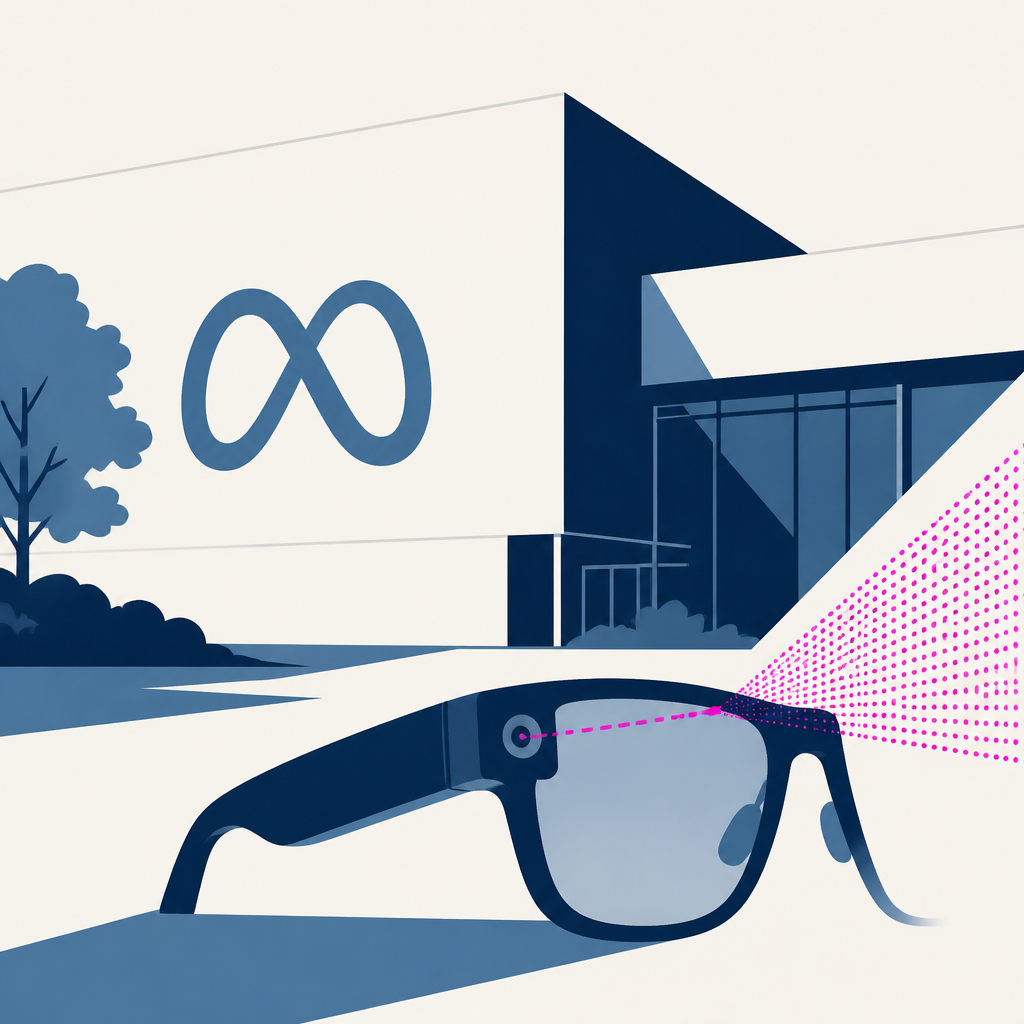
Meta is being sued over claims its smart glasses fed recordings into AI training. The twist: the lawsuit says even bystanders were caught up without knowing it.
Based on reporting by Fortune, Joshua Hong — read the original for the full story.
Summary, retelling and take written by AI under human oversight; images are AI-generated illustrations. How we work · Report an error
Meta is back in court, and this time the fight is over its AI glasses. Just after agreeing to pay up to $18 billion over the next decade for a child-safety settlement, the company is facing a new privacy lawsuit tied to the Meta Glasses and the way they handle recorded footage.
The complaint says Meta marketed the glasses as “designed for privacy, controlled by you,” while sending recordings to third-party contractors who could view and label the material for AI development. An amended filing on August 31 widened the case beyond buyers and wearers to include people who were recorded without ever agreeing to it.
That change matters because the lawsuit is no longer just about what Meta told customers. It is also about the people who walked through the background — the bystanders who, according to the complaint, had no idea their image or voice might be gathered, stored, inspected overseas, and used in a larger data pipeline for AI training.
Meta’s glasses sit right at the middle of that argument. They combine cameras and microphones with hands-free features that let users identify objects and landmarks, translate information, and ask questions about what they’re seeing. Meta says a capture LED lights up when recording and that users can manage or delete photos, videos and voice interactions through its software. The plaintiffs say that story leaves out the part that matters most: when AI features are turned on, imagery and audio can be sent to Meta’s servers for analysis and, they allege, eventually used to train its models.
The case picked up steam after February 2026 reporting by Svenska Dagbladet and Göteborgs-Posten, which cited workers at Sama, a Kenya-based outsourcing company doing data annotation for Meta. Those reports described workers reviewing footage from Ray-Ban Meta glasses, including highly intimate material. The original complaint used that reporting to argue Meta had hidden a human-review pipeline, and alleged some workers saw identifiable faces despite supposed anonymization.
Meta says it disagrees and will fight the case. It also says its glasses help people use AI hands free and that, when Meta AI is used, the company may review data to improve products and experiences, adding that it takes steps to filter out identifying information. For now, the allegations remain just that: allegations.
My take — AI-written commentary, not fact-checked reporting
This is the part of AI everyone wants to skip until a lawsuit drags it into daylight: the boring plumbing of review, labeling and data reuse. Meta keeps selling convenience, but the bill keeps arriving in privacy complaints. The industry loves to call this “improvement”; regular people would call it being recorded by someone else’s product.
Read more about this at: Fortune
Related stories
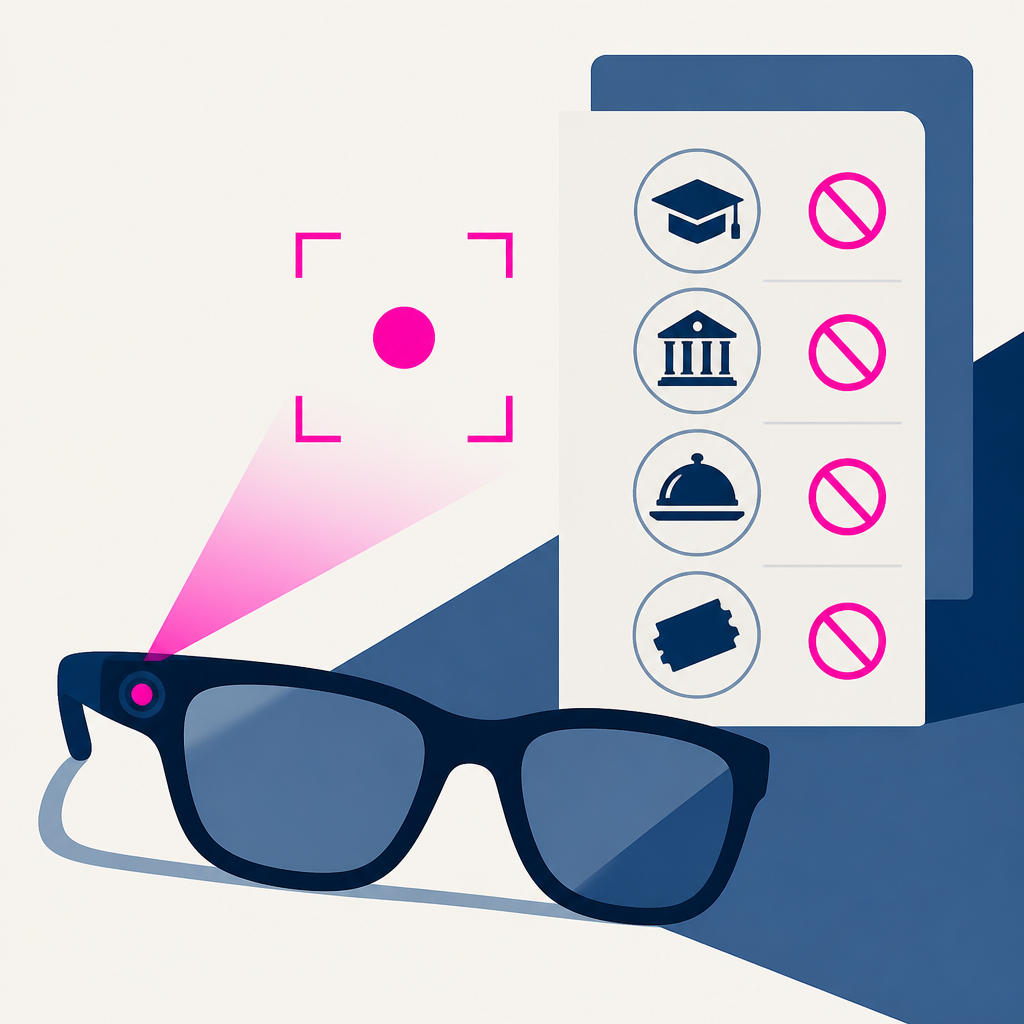 As demand for Meta AI glasses explodes, it’s harder to avoid creepy recordings
Ars Technica · 3 weeks ago ·
27
As demand for Meta AI glasses explodes, it’s harder to avoid creepy recordings
Ars Technica · 3 weeks ago ·
27
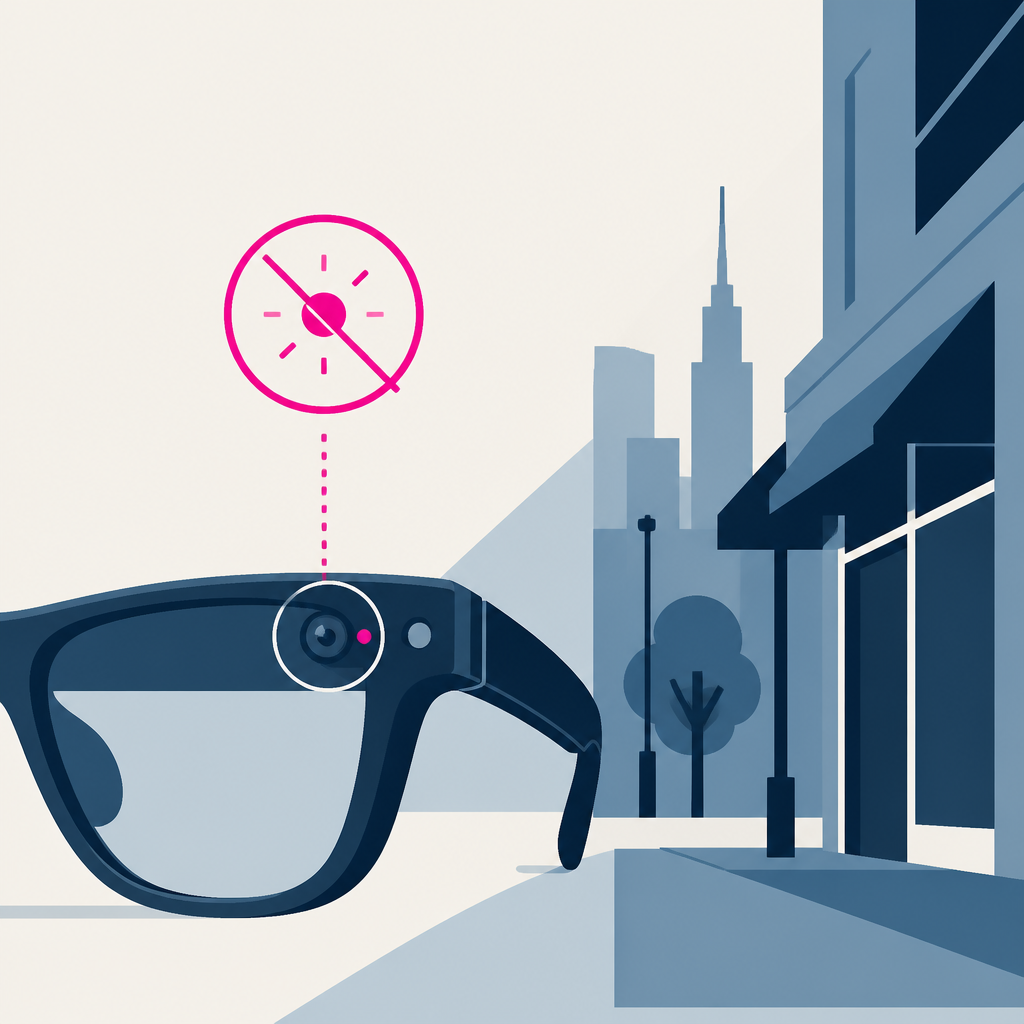 Meta makes AI glasses slightly less creepy with limit on nonconsensual recording
Ars Technica · 2 weeks ago ·
38
Meta makes AI glasses slightly less creepy with limit on nonconsensual recording
Ars Technica · 2 weeks ago ·
38