Disrupting deceptive uses of AI by covert influence operations
OpenAI
OpenAI shut down accounts tied to state-linked propaganda campaigns using its tools. Good news: none of them actually built a real audience.
Based on reporting by OpenAI — read the original for the full story.
Summary, retelling and take written by AI under human oversight; images are AI-generated illustrations. How we work · Report an error
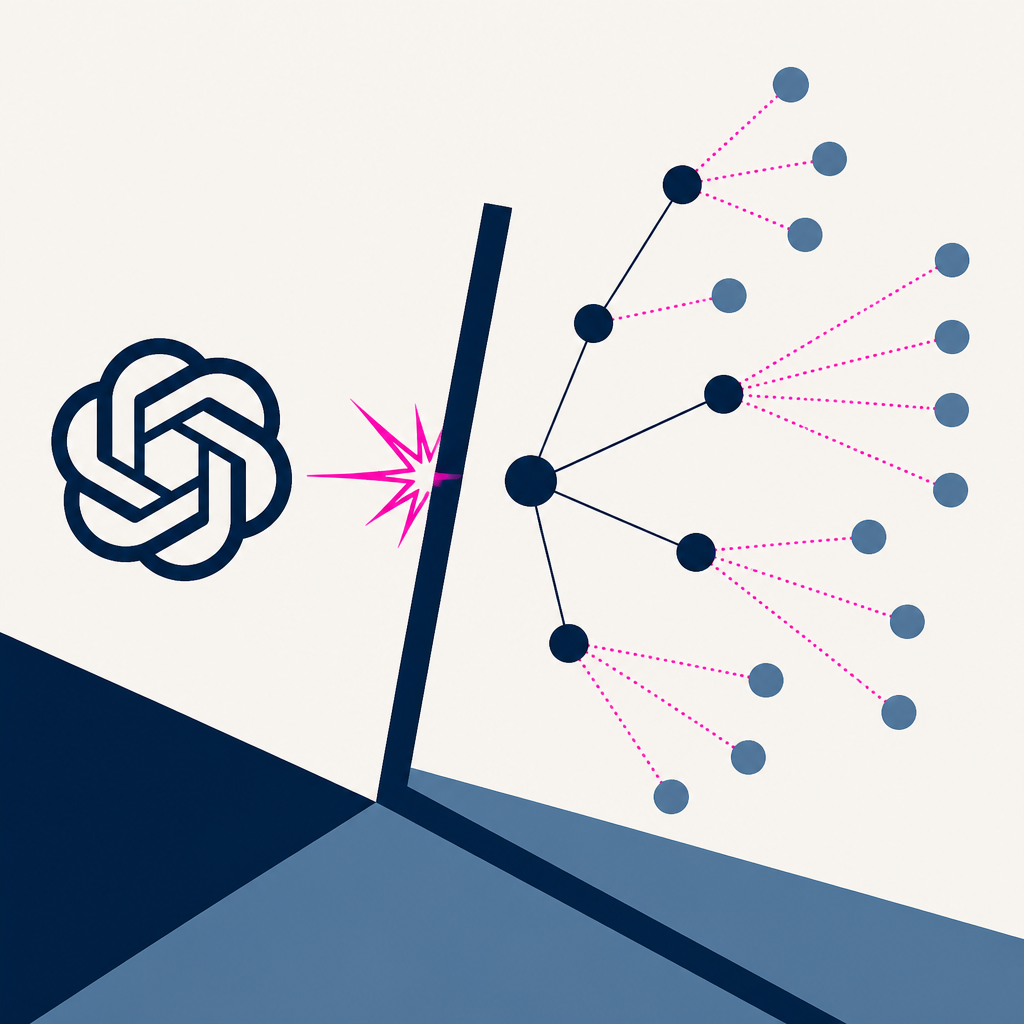
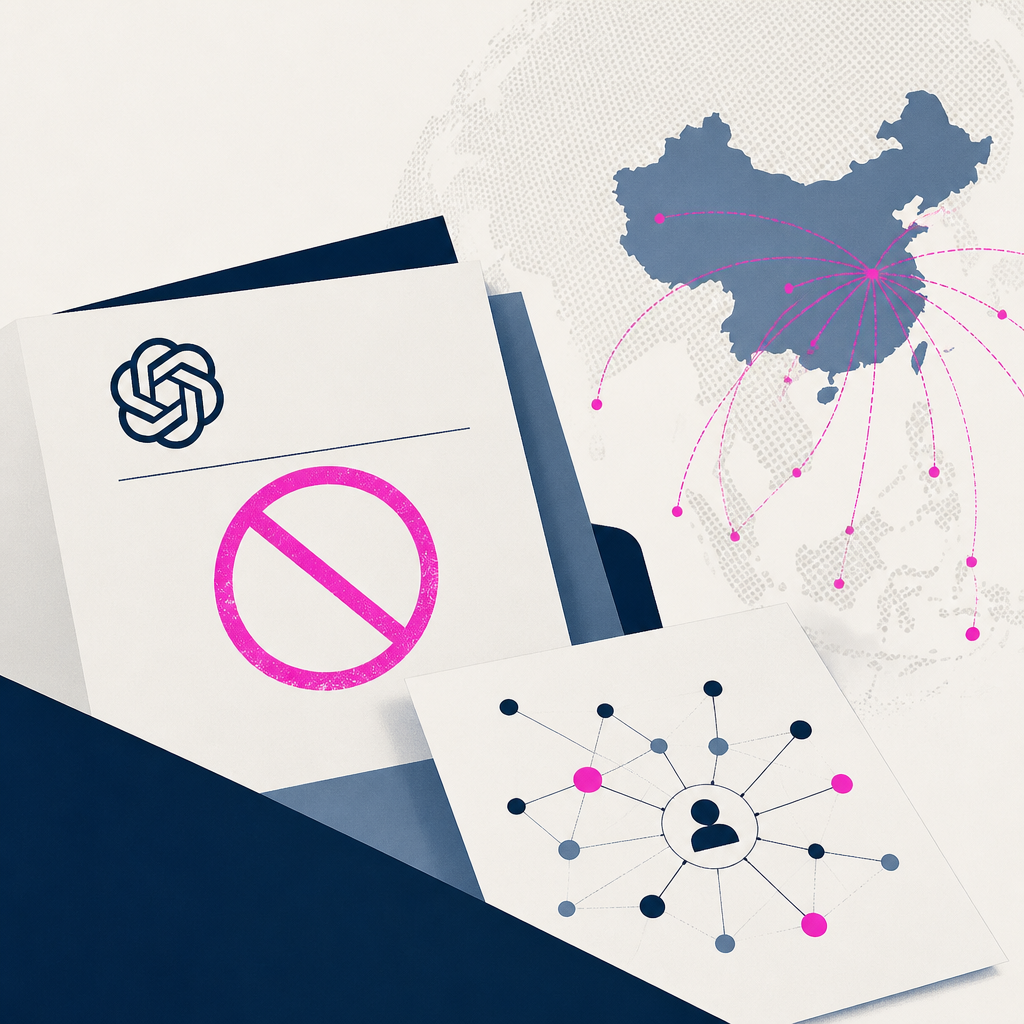
OpenAI dropped a report confirming what a lot of people suspected but couldn't prove: covert influence operations have been experimenting with its models, and the company caught them at it. The accounts got terminated. That's the headline, but the more interesting detail is buried in the fine print — despite using AI to draft posts, generate comments, and translate propaganda, these operations didn't manage to meaningfully grow their audiences.
That's a notable data point in a debate that's been mostly speculation until now. For two years, researchers and journalists have warned that generative AI would supercharge disinformation, letting a handful of operatives produce content at the volume and polish of entire newsrooms. OpenAI's own investigation into these specific networks suggests the tools didn't translate into actual reach or engagement, at least not yet and not for these actors.
Worth remembering this is one company's account of its own detection work, covering campaigns it happened to catch using its own products. It's not proof that AI-generated influence campaigns are ineffective everywhere, on every platform, forever. Bad actors iterate, and today's clumsy botnet is tomorrow's more convincing one. OpenAI itself frames this as a first snapshot, not a final verdict.
Still, the willingness to publish the specifics — which networks, what tactics, how the accounts were used — is more transparency than these companies usually offer. Most platforms treat influence-operation takedowns as PR events, heavy on the announcement and light on method. Naming names and describing tradecraft, even imperfectly, gives outside researchers something to actually check.
The real test comes with scale and time. One report covering a handful of dismantled networks doesn't tell us what happens when hundreds of well-funded operations start using these tools simultaneously, or when the underlying models get good enough to sidestep whatever detection methods caught this batch. For now, call it a modest reassurance rather than an all-clear.
My take — AI-written commentary, not fact-checked reporting
I'll take the win, but I'm not popping champagne — a company grading its own homework on whether its product enabled propaganda is exactly the kind of self-reported metric that ages badly. The actual fix here isn't better takedown reports, it's independent auditing of these models by people who have no incentive to say the tool worked fine. Until that exists, treat every one of these self-published safety wins as marketing with footnotes.
Read more about this at: OpenAI