Defining and evaluating political bias in LLMs
OpenAI
OpenAI published a new method for testing political bias in ChatGPT using real-world prompts. The goal: catch skewed answers before users do, not after backlash hits.
Based on reporting by OpenAI — read the original for the full story.
Summary, retelling and take written by AI under human oversight; images are AI-generated illustrations. How we work · Report an error
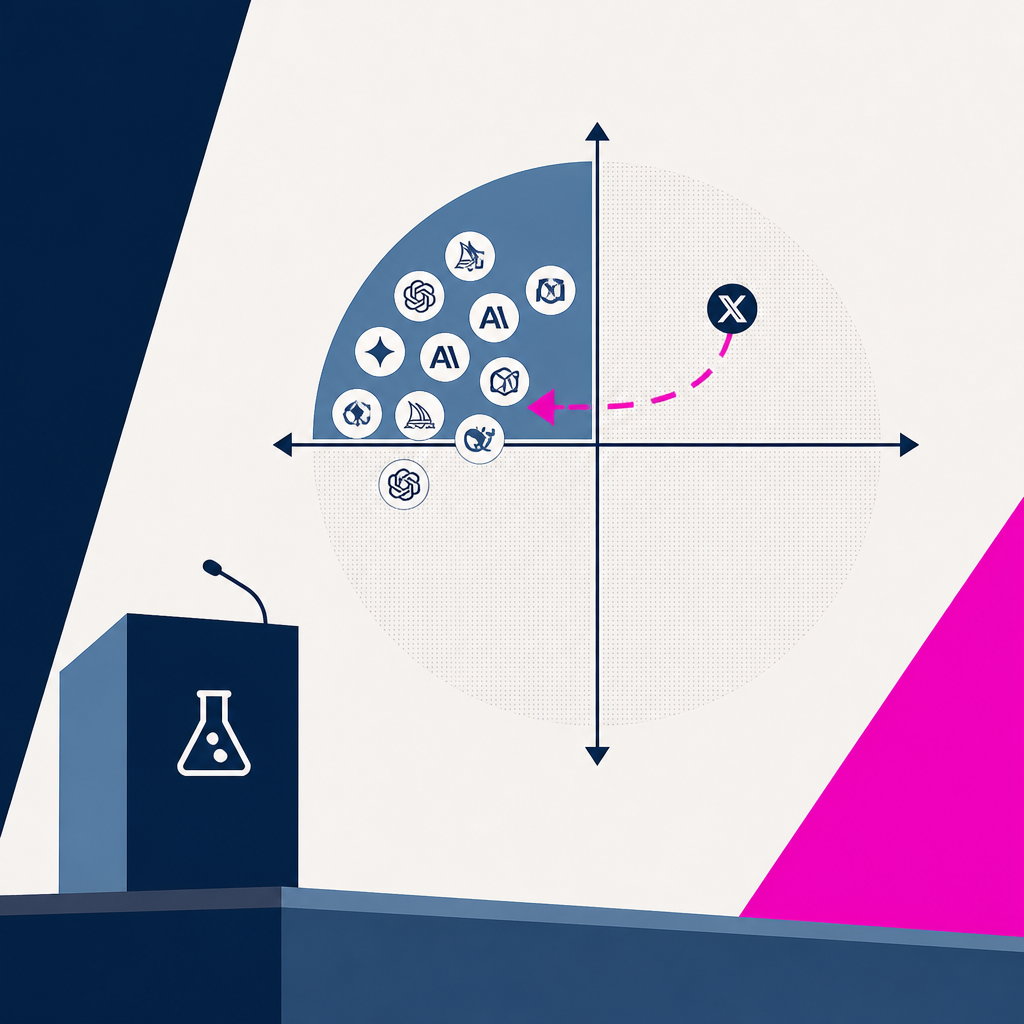
OpenAI put out a blog post this week laying out how it now measures political bias inside ChatGPT, and the framing is less about ideology and more about consistency. The company says it built an evaluation system that runs the model through real-world political questions — the kind people actually type into a chat window, not sanitized textbook prompts — and checks whether the answers lean toward one side or stay balanced across the political spectrum.
What's notable is the shift away from abstract fairness metrics toward something closer to a behavioral audit. OpenAI describes testing ChatGPT's responses on hot-button topics and grading them for whether the model editorializes, cherry-picks framing, or treats one political position as more legitimate than another. The company frames objectivity as the target, not neutrality-as-silence, meaning the model is still expected to engage with contested issues rather than dodge them.
OpenAI also ties this to model training decisions, arguing that better evaluation data lets them adjust ChatGPT's behavior with more precision instead of blunt-force suppression of entire topic areas. That's a meaningful distinction if true, because past attempts by AI companies to avoid controversy have often resulted in the model refusing to answer anything remotely political, which frustrates users just as much as perceived bias does.
The timing isn't accidental. Political bias in chatbots has become a recurring flashpoint, with critics on both the left and right accusing AI companies of thumb-on-the-scale behavior, usually based on anecdotal screenshots rather than systematic testing. By publishing methodology instead of just conclusions, OpenAI is trying to get ahead of that criticism and make the evaluation process itself part of the argument for trustworthiness.
My take — AI-written commentary, not fact-checked reporting
I'll believe this matters when OpenAI publishes the actual eval results and lets outsiders poke at them, not just the methodology memo. Every AI lab says it's built a rigorous bias test right up until someone screenshots the model contradicting itself on a hot topic — publishing your homework is nice, but it's not the same as showing your grade.
Read more about this at: OpenAI