Cline Desktop: An Open-Source App for Open-Weight Models
Cline
Cline just launched a desktop app for open-weight models on Mac and Windows beta. It can juggle agents, imports, and scheduled jobs outside the code editor.
Based on reporting by Cline — read the original for the full story.
Summary, retelling and take written by AI under human oversight; images are AI-generated illustrations. How we work · Report an error
Cline is stepping out of the editor. The company has launched Cline Desktop, an early app for Mac and Windows beta that puts its open-source agent setup into a dedicated workspace instead of leaving everything inside VS Code or the terminal.
That shift matters because Cline has already grown into something big: the project says more than 11 million developers use it. The desktop app is aimed at the messy part of agent work, where one task is coding, another is browsing, and a third is just waiting for a recurring job to fire. A terminal is fine when you’re focused. It gets clumsy fast when you’re managing several moving pieces at once.
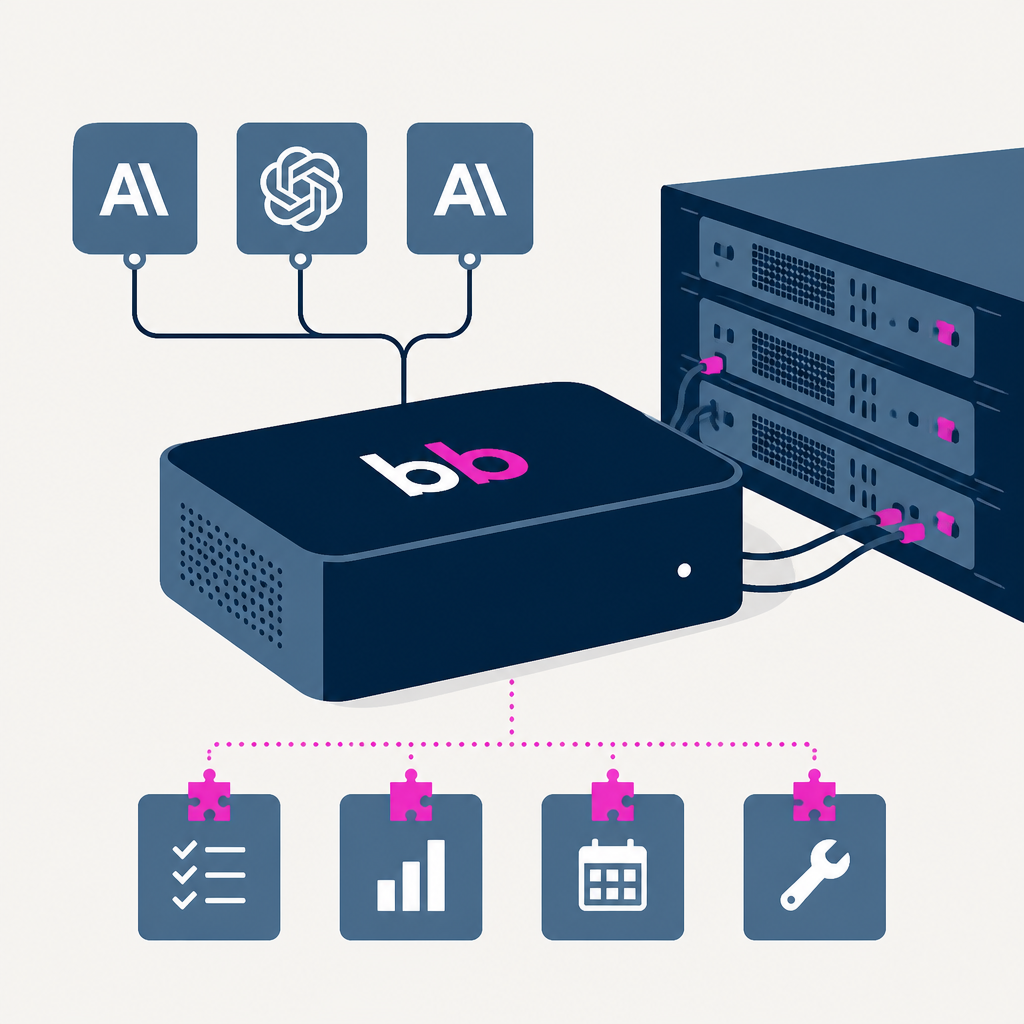
Cline Desktop keeps the same harness under the hood and lets people pick how they want to run it. Users can access 300+ models through the Cline provider, use open-weight models through ClinePass, run local models, or connect an API key to 50+ providers. The app also supports separate models for planning and acting, and it can import tasks from Claude Code or Codex so work can keep going instead of starting over.
The team is also pushing the app beyond raw coding. Schedule lets an agent run recurring work on a cron-like setup, such as a morning PR review, a nightly repo check, or a weekly documentation update. Web search and voice input are built in too, and the Marketplace is there for plugins, MCP servers, and skills. The pitch is simple: give agents a place to work, give people more control, and make it easier to pick up a task wherever it started.
Cline also says it rebuilt the foundation around its SDK, rewriting prompts, simplifying the agent loop, and improving context management and error handling. It even points to harness benchmark results from Terminal-Bench 2.0, with the note that those scores reflect the harness, not a separate Desktop test. That’s a sensible bit of honesty in a field that loves pretending a shiny UI is the same thing as a better system.
My take — AI-written commentary, not fact-checked reporting
This is the right kind of open-model move: less worship of one chat box, more plumbing that lets people swap models, import work, and keep going. The industry keeps acting like agents need one sacred interface; they mostly need fewer handcuffs and better error handling. And yes, a marketplace is just app-store gravity wearing work boots.
Read more about this at: Cline