China proposes AI export controls on 23 AI items, including large model weights
TNW ● Covered by 3 sources
China proposed export controls on 23 AI technologies, including model weights and chip designs. Open-source stays out, but firms may need permission to send the rest abroad.
Based on reporting by TNW — read the original for the full story.
Summary, retelling and take written by AI under human oversight; images are AI-generated illustrations. How we work · Report an error
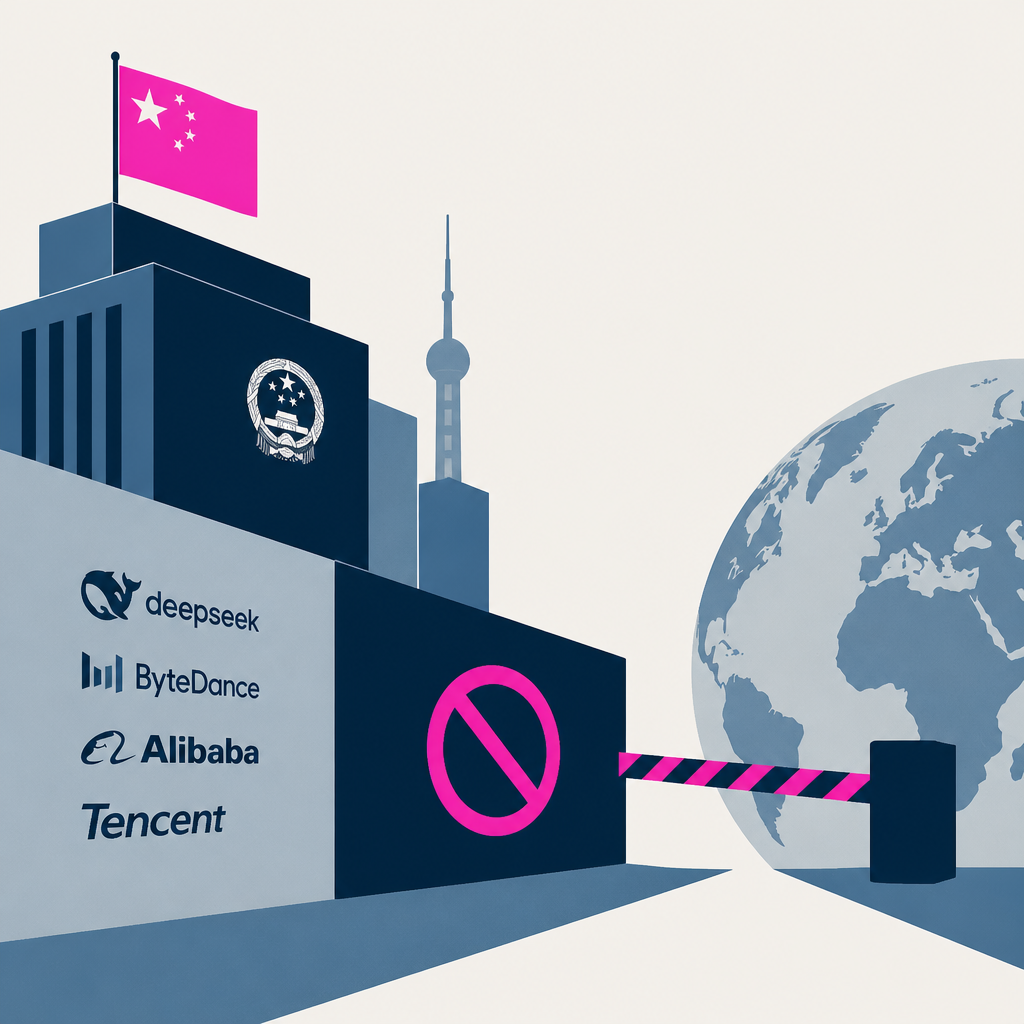
China is moving to put a tighter leash on its AI stack. The commerce and science ministries have proposed export controls on 23 technologies, ranging from large models and AI agents to chip designs and computing clusters. The draft was released on Friday and is open for public comment until 15 November.
The list is broader than just AI. In total, the proposal covers 40 items, including 12 solar technologies and five in biomedicine such as gene therapy. But the AI section is the one drawing attention, because it reaches into the guts of model distribution: weights, source code, and other core components.
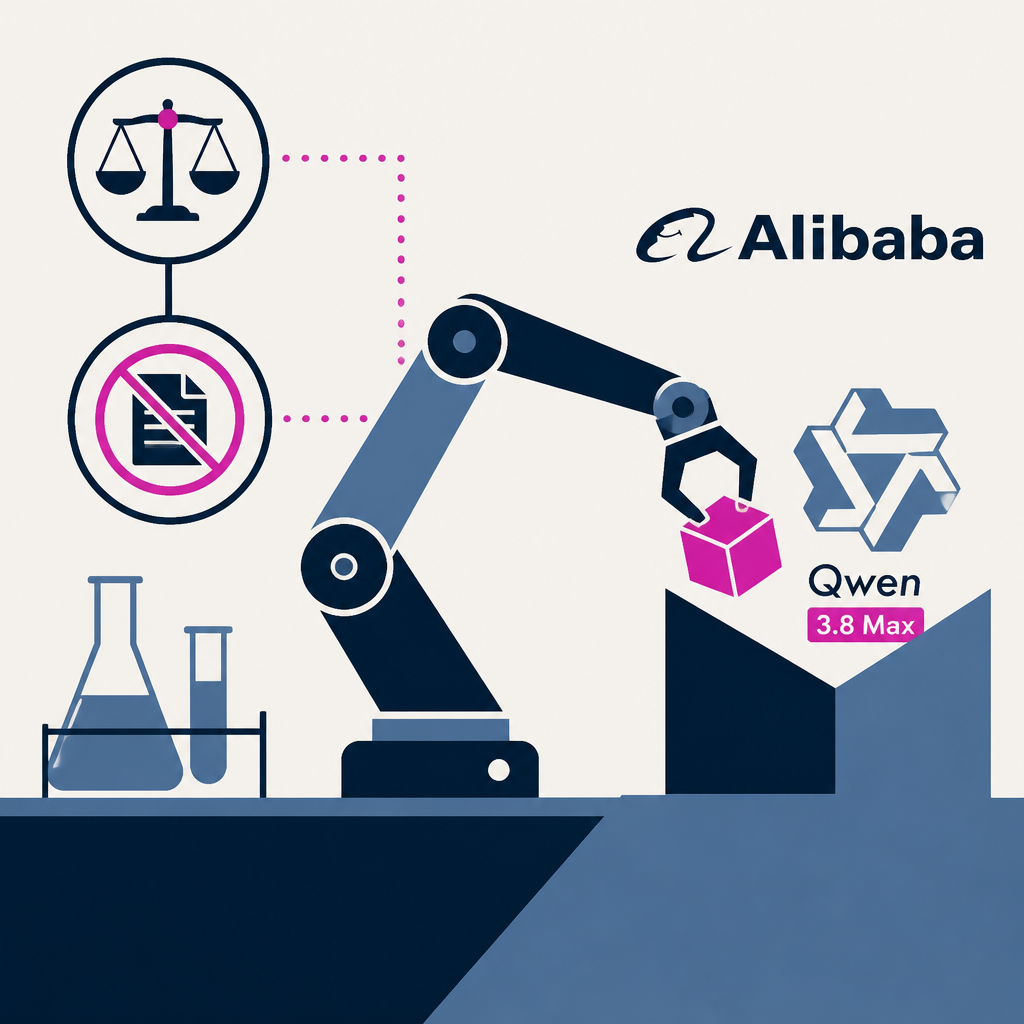
For large models, the draft would apply to systems with at least 2 trillion parameters, or models that rank in the world’s top 10 on tests covering performance and safety, according to Bloomberg. The draft itself does not name any model, though Bloomberg and the Associated Press said Moonshot AI’s Kimi K3 and Alibaba’s Qwen3.8-Max fall above that threshold.
The proposal also targets the know-how behind certain chips: designs for AI chips made at 14 nanometres or below, or built by stacking chips in 2.5D or 3D, plus some memory chip designs. Open-source code and published research would be exempt. Chinese firms could still serve users outside China through apps, websites, and APIs, and the ministry said running a covered model on servers abroad would count as an export. Companies that run it on their own cloud servers abroad could get a licence automatically.
This comes alongside a temporary registration rule that took effect on 16 October. Under that rule, firms now have to register before exporting any listed item, even if the deal is not yet finished. The ministry says the point is to “prevent misuse and abuse” and keep AI under human control, while also saying the proposal does not target any country or firm. Earlier this year, Beijing was already reported to be weighing overseas limits for its top models, and in July the Financial Times said it was considering export controls on AI models and chips.
My take — AI-written commentary, not fact-checked reporting
This is classic Beijing: keep the crown jewels close, keep the paper trail neat, and call it safety. The exemption for open-source code is doing a lot of work here, which tells you exactly where the state thinks the real leverage sits. In 2026, every major power seems to want AI openness right up until the moment it stops being convenient.
Read more about this at: TNW