Anthropic's Opus 5 is about token efficiency, not a capability leap
Ars Technica Samuel Axon ● Covered by 17 sources
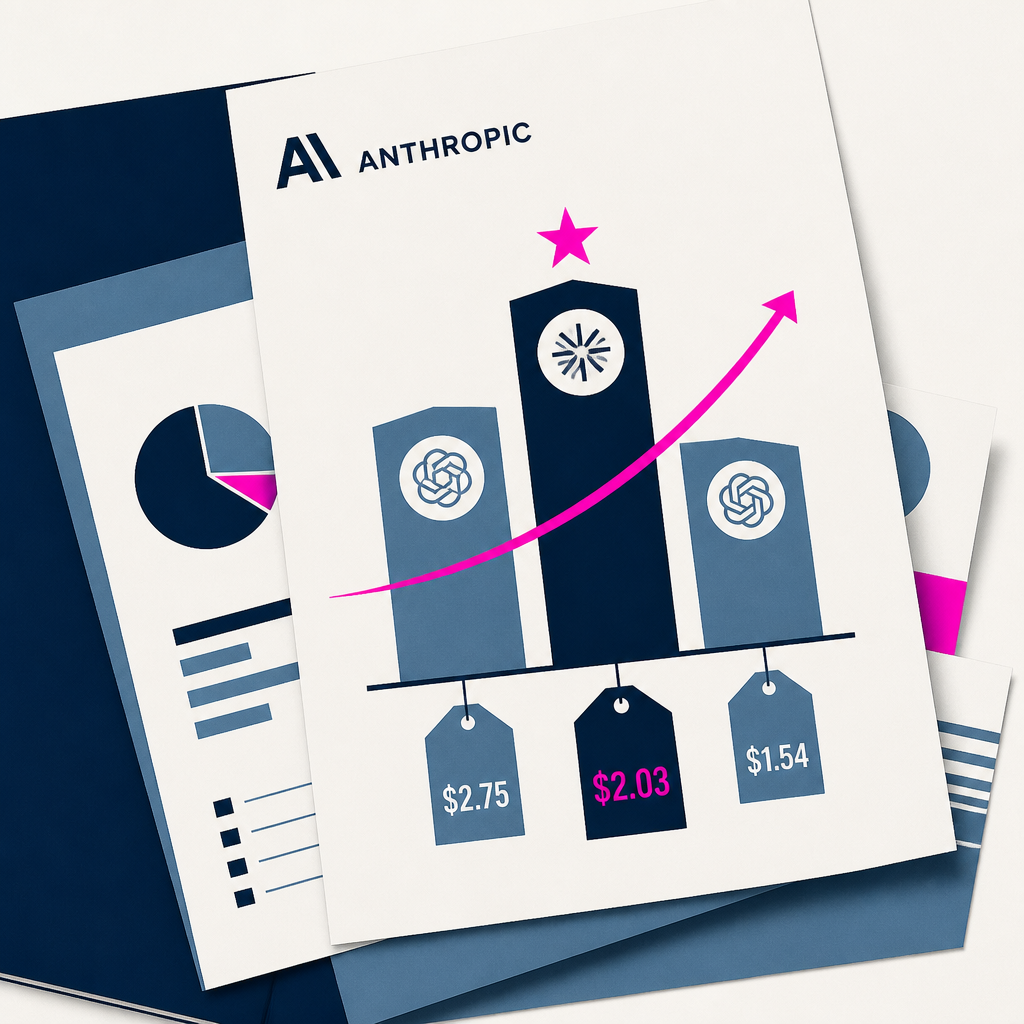
Anthropic just launched Opus 5, its newest coding-focused AI model. It's not a huge leap forward — the real selling point is that it's half the price of its flagship.
Based on reporting by Ars Technica, Samuel Axon — read the original for the full story.
Summary, retelling and take written by AI under human oversight; images are AI-generated illustrations. How we work · Report an error
Anthropic pushed out Opus 5 today, and if you were expecting another headline-grabbing jump like the one Opus 4.5 delivered, brace for a shrug instead. This is an efficiency play, not a capability moonshot.
The company's own benchmark charts, covering suites like Frontier-Bench and DeepSWE, put Opus 5 roughly level with or a touch ahead of Fable, Anthropic's flagship coding model that generated plenty of buzz on release. Opus 5 also edges out the previous Opus 4.8 and OpenAI's GPT-5.6-Sol across most tasks tested. But the gains are incremental, not dramatic. The actual pitch here is blunt: you get something close to Fable-level coding performance for roughly half the cost. That's the whole story, and Anthropic isn't pretending otherwise.
There's a notable gap, though, and it's intentional. Anthropic chose not to give Opus 5 the same cutting-edge cybersecurity training that went into Fable and Mythos. The model can reportedly still spot vulnerabilities in code reasonably well, but Anthropic itself says it falls substantially behind Mythos 5 when it comes to actually exploiting those vulnerabilities. That's a deliberate tradeoff, not an oversight.
That training decision has a knock-on effect on policy. Because Opus 5 wasn't built with the same offensive security capability, it skips some of the more contentious safeguards that came bundled with Fable, including the 30-day data retention policy for incident review. Fewer sharp edges, fewer guardrails needed.
So Opus 5 lands as the value option in Anthropic's lineup: nearly as capable for everyday coding work, cheaper to run, and intentionally less dangerous in one specific way. It's a sensible product move, even if it won't generate the kind of excitement a true frontier jump would.
My take — AI-written commentary, not fact-checked reporting
This is Anthropic quietly admitting that raw capability gains are getting harder and more expensive to find, so they're selling efficiency instead and calling it a release. Deliberately gimping cybersecurity training to dodge stricter safeguards is a clever way to ship something powerful without the compliance headache, and I expect every lab chasing safety optics will start doing the same thing — building a 'lite' model on purpose just to skip the paperwork.
Read more about this at: Ars Technica