Announcing Fugu-Ultra v1.1 and Claude Code interface for Fugu
Sakana AI ● Covered by 17 sources
Sakana AI just shipped Fugu-Ultra v1.1, an orchestration engine that coordinates multiple frontier AI models at once. It beats rivals like Fable 5 on coding tasks without even using Fable — same price as before.
Based on reporting by Sakana AI — read the original for the full story.
Summary, retelling and take written by AI under human oversight; images are AI-generated illustrations. How we work · Report an error
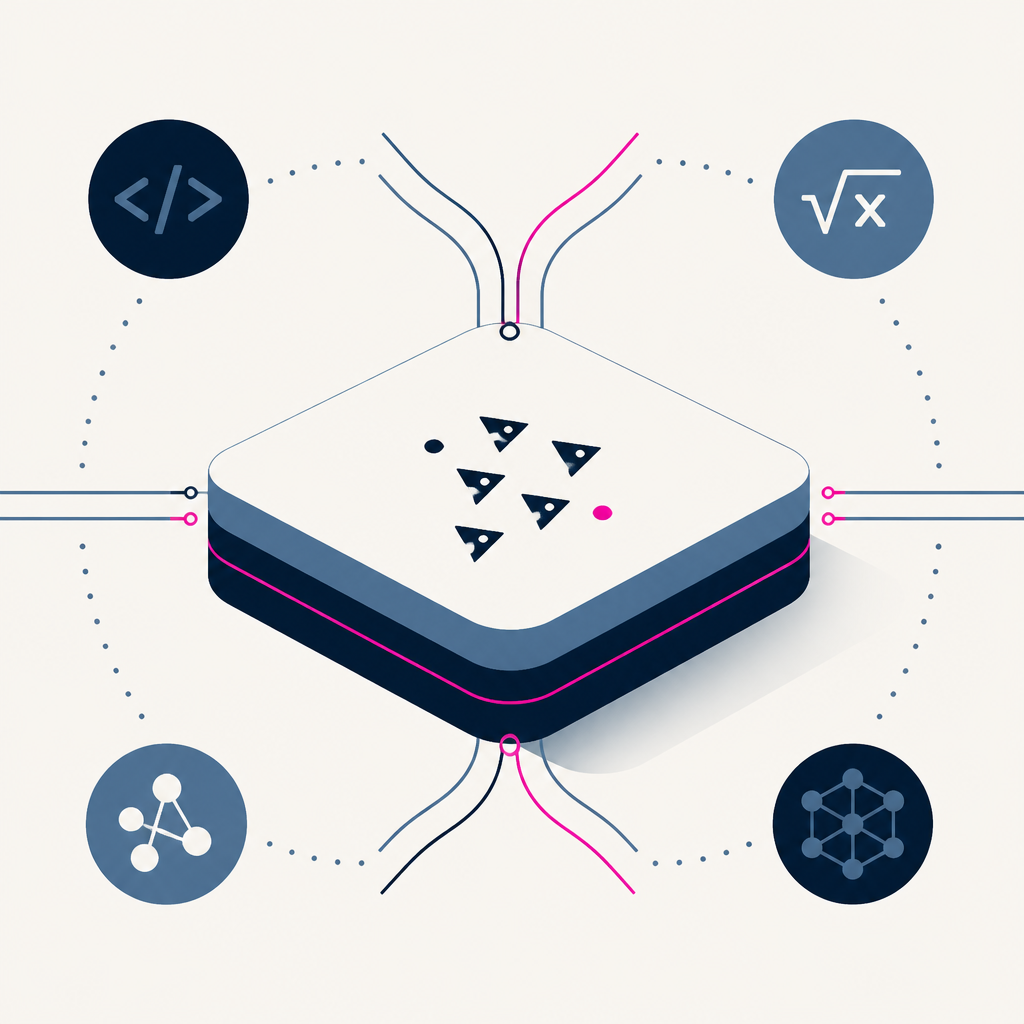
Sakana AI has pushed out an update to its Fugu model family, and the pitch is less about a single smarter model and more about smarter teamwork. Fugu-Ultra v1.1 doesn't replace the frontier models it relies on so much as coordinate them better, dynamically orchestrating a pool of them to tackle a given task. The company says this orchestration tweak alone is worth as much as 7.9 points of performance gain over the previous version, v1.0.
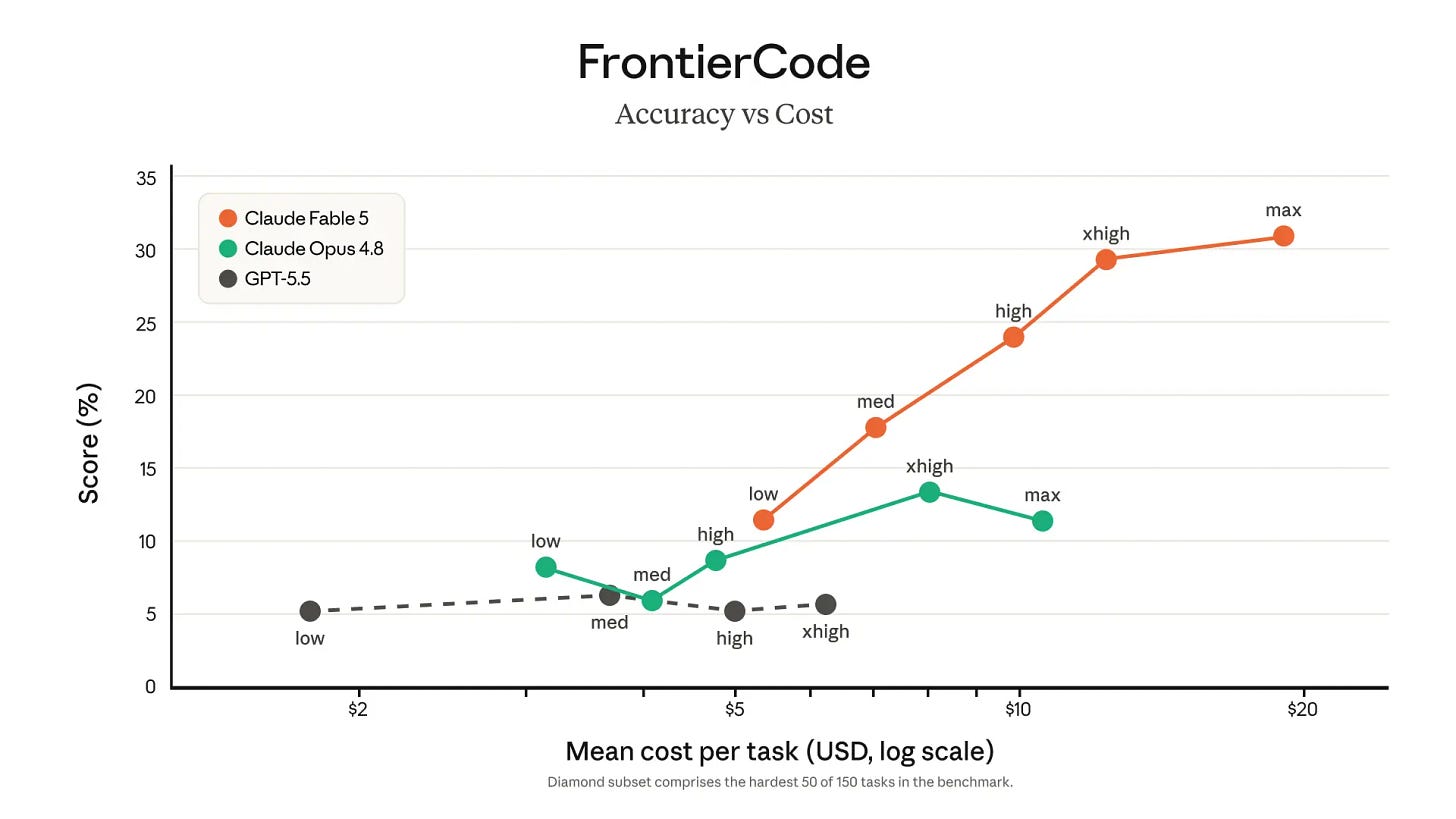
The gains aren't evenly spread across the board, though the company says every benchmark it tracks improved. ProgramBench and Terminal Bench 2.1 saw the biggest jumps, which tracks with Sakana's claim that the new version is noticeably better at coding, agentic work, and multi-step reasoning. Perhaps the more eyebrow-raising claim is that Fugu-Ultra v1.1 now outperforms Fable 5 on complex coding and reasoning tasks — and it does this without Fable itself sitting in its agent pool. In other words, the orchestration layer is doing enough heavy lifting that Sakana doesn't need to borrow the model it's beating.
Pricing stays put. Sakana is explicit that this jump in capability comes at the same cost as v1.0, which matters for anyone who had already built workflows around the earlier version and didn't want a surprise on the invoice.
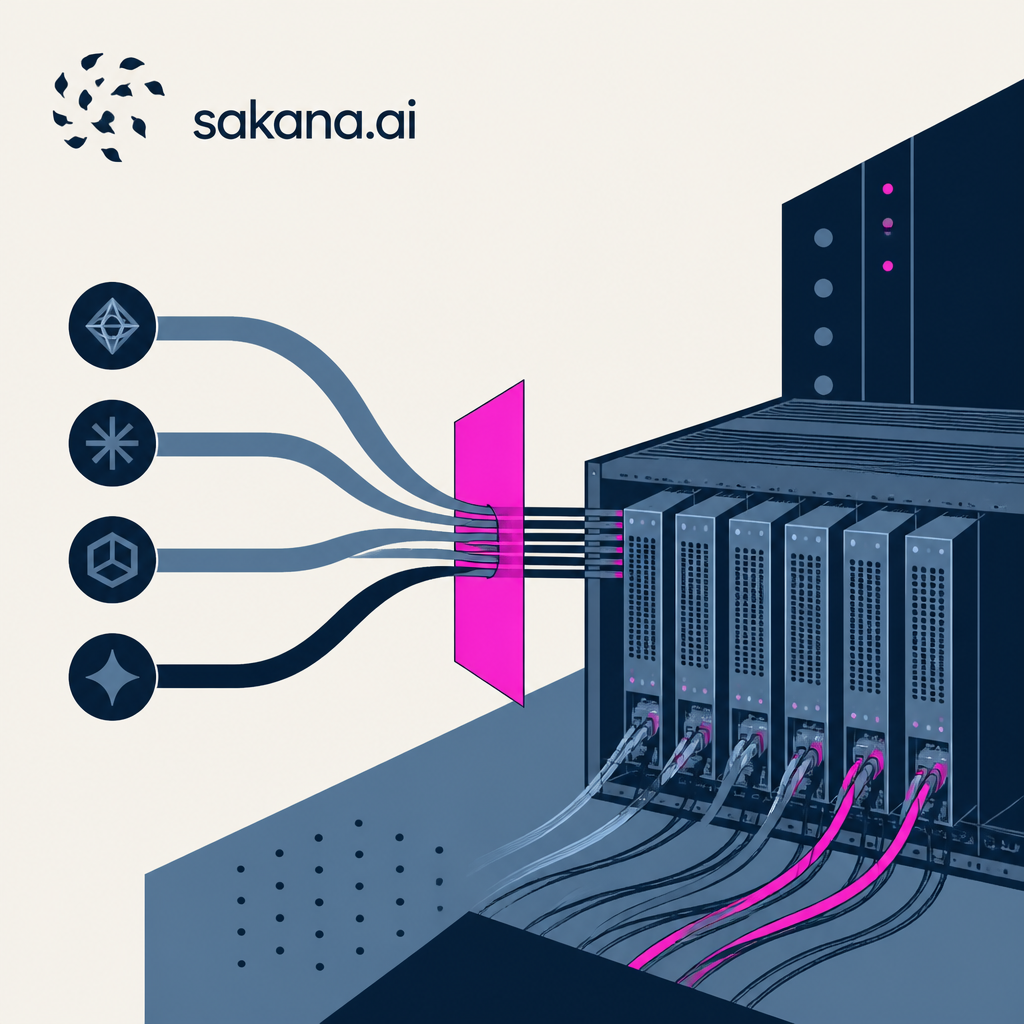
The other half of this announcement is about distribution rather than raw capability. Since Fugu's original launch, it's found its way onto platforms like OpenRouter and Vercel, and Sakana says developers have been using it for coding agents, research pipelines, and automation tasks the company didn't specifically design for. Now there's a more direct path in: Claude Code-compatible endpoints for Fugu, meaning developers can pull Fugu's multi-model orchestration straight into the Claude Code environment they're already working in. Instead of one model handling writing, debugging, and execution end to end, the idea is that a coordinated group of frontier models splits that work up, all from the same terminal session.
My take — AI-written commentary, not fact-checked reporting
Beating a named competitor without even including it in your model pool is a genuinely clever flex, and it says something about where the real gains in AI right now are coming from — not bigger models, but better coordination of the ones that already exist. Keeping the price flat while adding capability is the smart move here too, since developers who already committed to Fugu workflows won't feel punished for sticking around. The Claude Code integration matters more than it might look at first glance: orchestration tools live or die by how easily they slot into workflows people already use, not by how impressive their benchmark charts look in isolation.
Read more about this at: Sakana AI