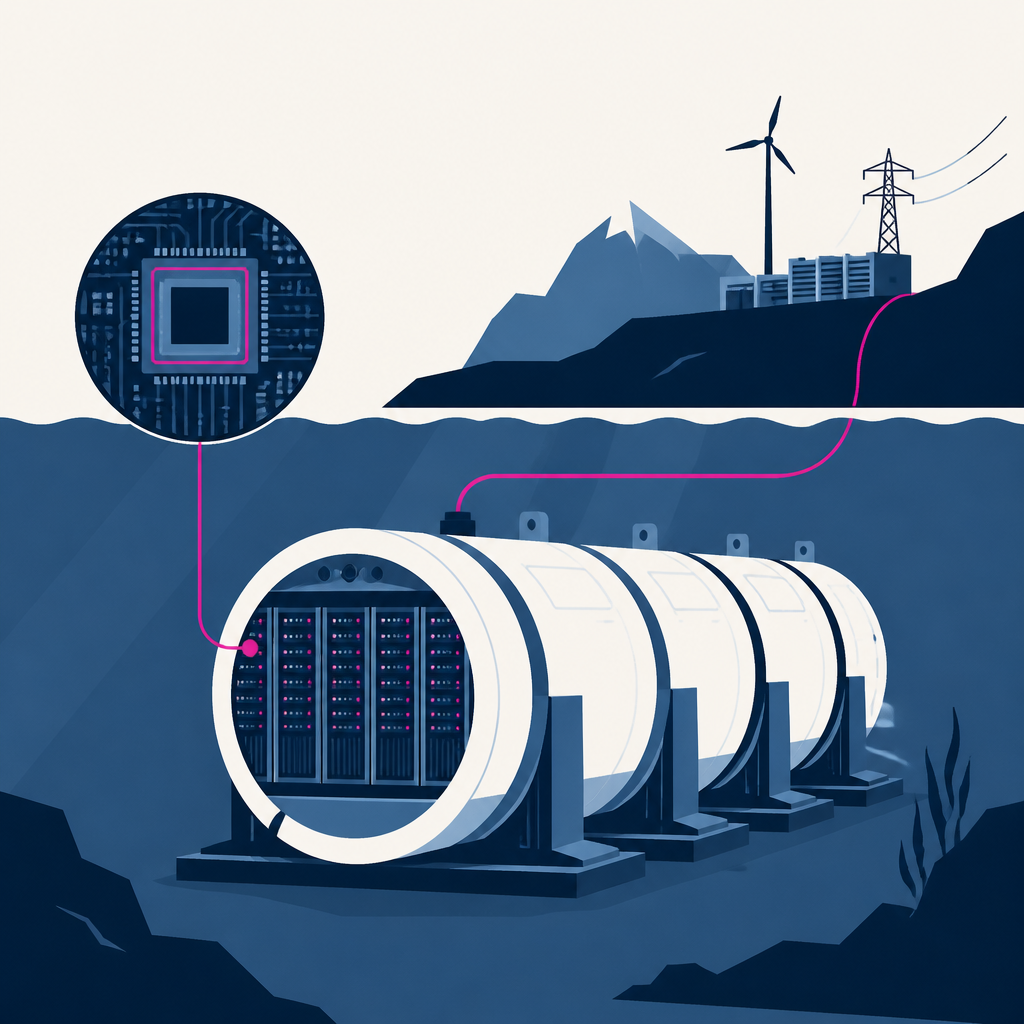
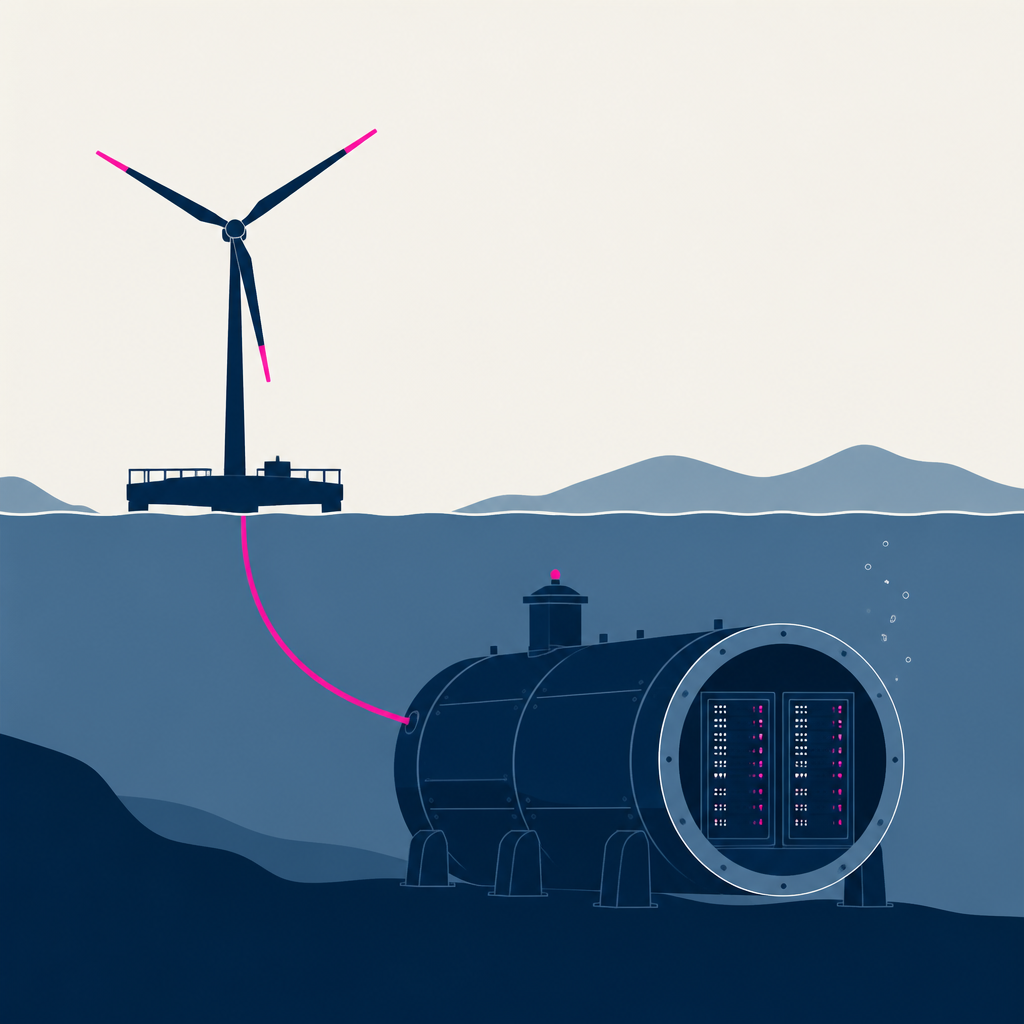
A new solar cell could generate electricity underwater
Ars Technica Scott K. Johnson
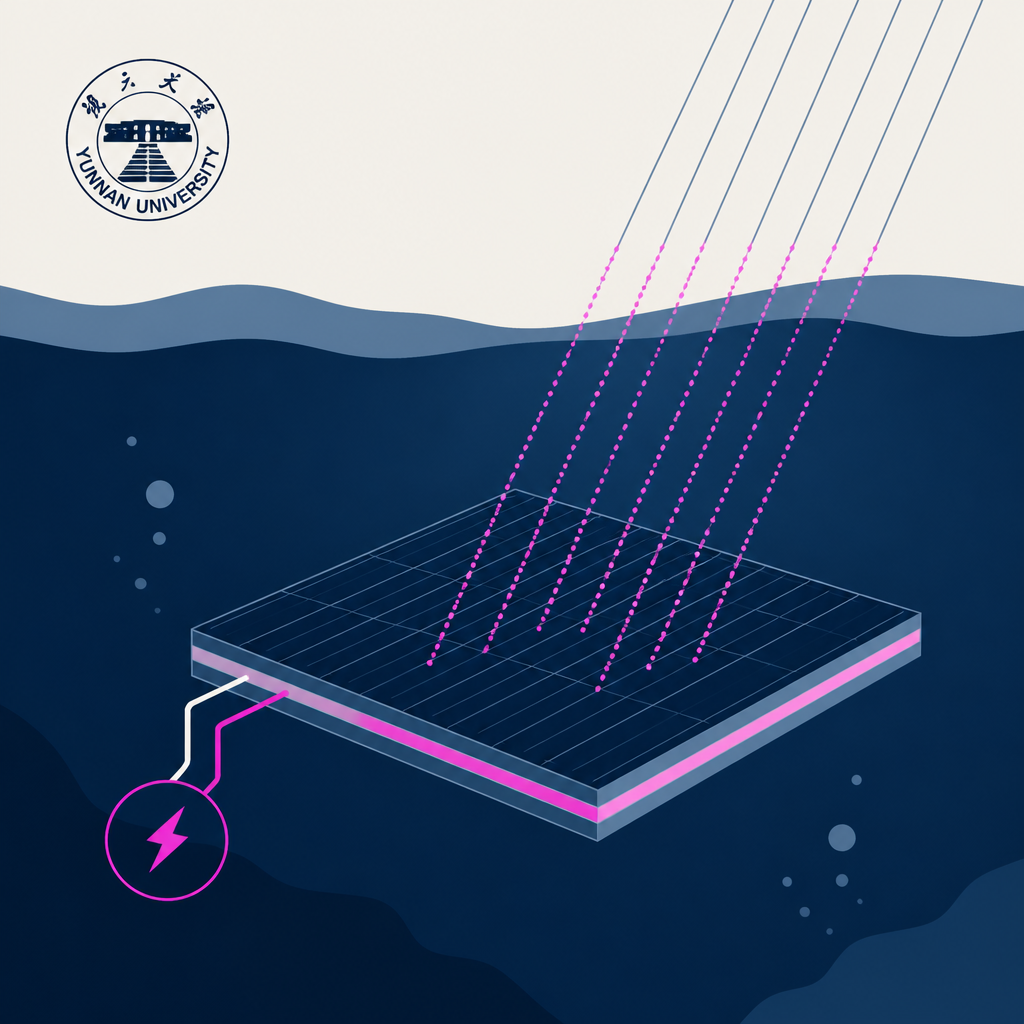
Researchers built a solar cell that can work underwater. That matters because water kills normal solar light, but this one is tuned for blue light.
Based on reporting by Ars Technica, Scott K. Johnson — read the original for the full story.
Summary, retelling and take written by AI under human oversight; images are AI-generated illustrations. How we work · Report an error
Birdman may have needed it first, but the real audience is a team of engineers at Yunnan University led by Simin Ma. They’ve developed perovskite solar cells meant to keep generating electricity underwater, where ordinary silicon panels lose the light they need most.
Perovskites are the odd little rival to silicon: cheaper to make, easier to shape into thin or flexible films, and able to turn more incoming sunlight into power. The catch has always been durability. These materials tend to break down much faster than silicon, which is a nasty flaw for anything meant to sit in wet conditions.
That’s the twist here. Moisture is usually terrible for perovskites, yet underwater is not just a hostile place. It is also a filtered one. Water rapidly strips out the wavelengths that silicon likes to use, while leaving more of the blue end of the spectrum behind. A perovskite cell can be tuned to work with that remaining light.
The source also points out a pleasant irony: the lower light levels and cooler temperatures underwater may actually help the device last longer. So the ocean is both the problem and part of the fix. That’s a neat result, and a reminder that “bad environment” does not always mean “bad engineering.”
My take — AI-written commentary, not fact-checked reporting
This is the kind of niche breakthrough that gets dismissed until someone needs power where the sun doesn’t behave politely. Perovskites keep doing the same trick: annoy silicon by being cheaper, stranger, and more adaptable. The only real surprise is that water, which usually ruins everything, may end up helping a little too.
Read more about this at: Ars Technica