
AI in Telecommunications
Network operators using AI for network optimisation, customer service and infrastructure planning.
Use cases
AI-assisted RF and chip design for network hardware Experimental
- Problem:
- Designing radio-frequency components and network hardware traditionally requires years of manual engineering effort, slowing innovation cycles for telecom infrastructure equipment.
- Capability:
- generative design using reinforcement learning and diffusion models
- Value:
- Research demonstrating AI-generated RFIC layouts achieving record performance with dramatically reduced design time points to faster development of next-generation network hardware, potentially lowering R&D costs and accelerating time-to-market for telecom equipment vendors.
Barriers: Still largely confined to research settings; requires validation and manufacturing integration before production use; limited to specific chip classes so far.
AI-native customer service assistants Emerging
- Problem:
- Telecom operators handle massive volumes of customer inquiries about billing, plans, and technical issues, straining contact centers and increasing wait times.
- Capability:
- conversational agents (LLM-based)
- Value:
- Deutsche Telekom's deployment of OpenAI's technology across customer service shows how conversational AI can resolve inquiries faster, reduce call center load, and improve customer satisfaction at scale.
Barriers: Integration with legacy CRM and billing systems; ensuring accuracy and trust for complex account-specific requests.
AI-optimized network operations and private 5G deployment Proven
- Problem:
- Operators need to guarantee ultra-low latency, high throughput, and reliability for demanding use cases like large public events, industrial sites, and robotics, which traditional network management struggles to dynamically optimize.
- Capability:
- AI-driven network optimization and orchestration (reinforcement learning, real-time analytics)
- Value:
- ZTE's 5G-A private network deployment at a major sporting event achieved multi-Gbps speeds, sub-10ms latency, and 99.99% reliability while supporting robotic applications, demonstrating a scalable model for premium, AI-managed network services that can be monetized for enterprise and event clients.
Barriers: High infrastructure investment; need for specialized private network expertise; integration with diverse edge devices and robotics.
Employee workflow copilots for network and back-office teams Emerging
- Problem:
- Telecom employees spend significant time on repetitive documentation, ticket triage, and cross-system lookups that slow internal operations.
- Capability:
- generative AI copilots (LLM-based workflow assistance)
- Value:
- Deutsche Telekom's rollout of ChatGPT Enterprise to its workforce, alongside UST training thousands of engineers on Claude, illustrates productivity gains in employee workflows across telecom operations.
Barriers: Change management and training at scale; data governance for enterprise deployment across large workforces.
Leading vendors
Companies appearing most often in our recent Telecommunications coverage.
Recent developments
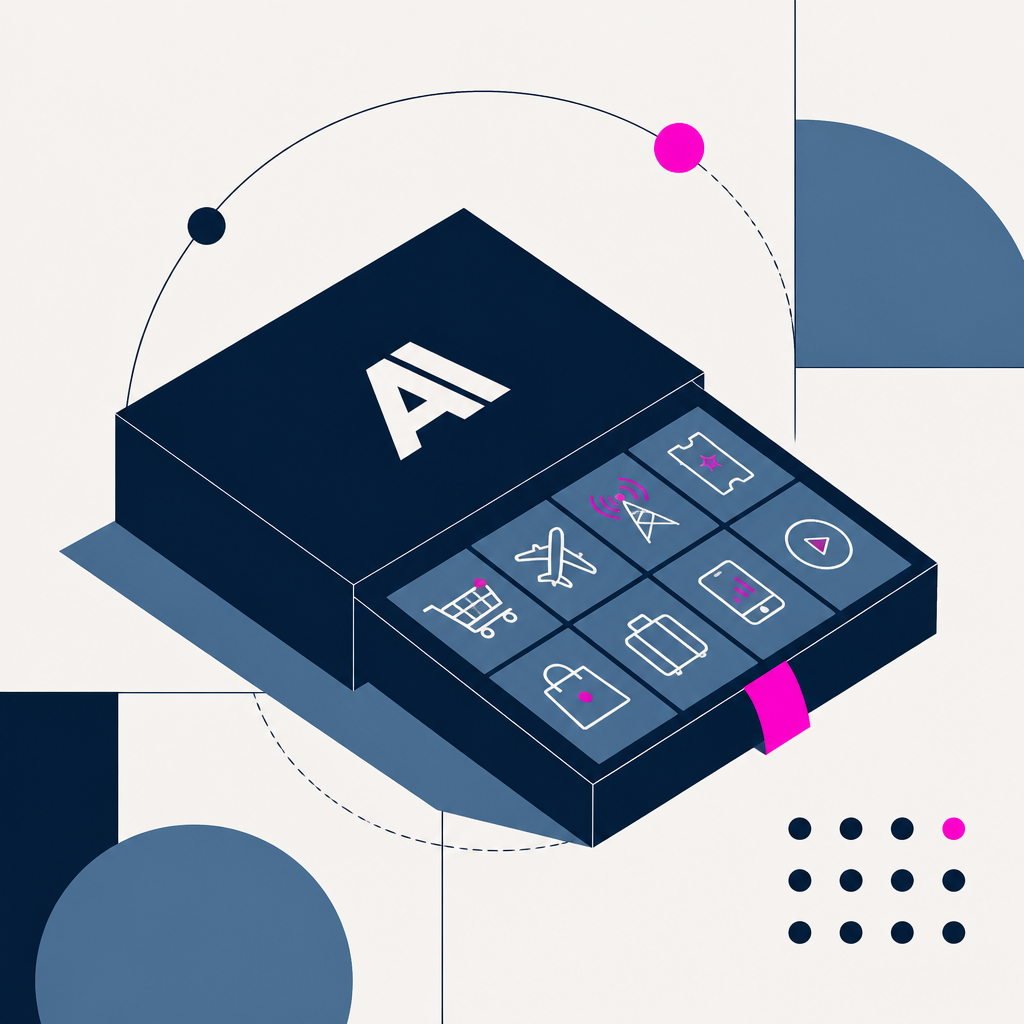 Anthropic Released Claude Commerce Agents: An Apache-2.0 Blueprint for Shopping and Merchant Agents Across Retail, Travel, Telecom and Entertainment
MarkTechPost · 2 weeks ago ·
32
India’s richest man now wants to turn aging computers into AI-ready PCs
TechCrunch · 2 weeks ago ·
34
South Korea Pushes Free AI for Citizens to Reduce Dependence on the U.S.
Trending Topics · 2 weeks ago ·
23
Anthropic Released Claude Commerce Agents: An Apache-2.0 Blueprint for Shopping and Merchant Agents Across Retail, Travel, Telecom and Entertainment
MarkTechPost · 2 weeks ago ·
32
India’s richest man now wants to turn aging computers into AI-ready PCs
TechCrunch · 2 weeks ago ·
34
South Korea Pushes Free AI for Citizens to Reduce Dependence on the U.S.
Trending Topics · 2 weeks ago ·
23
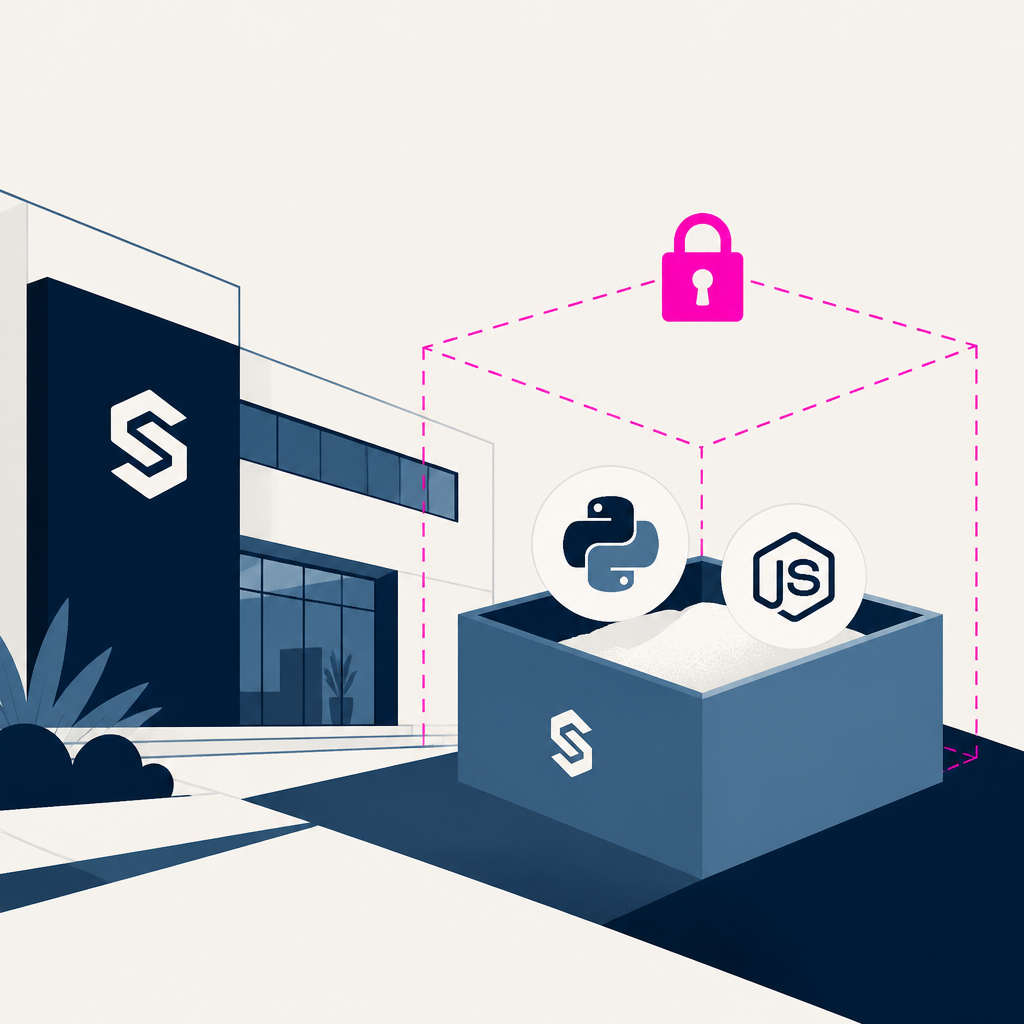 smolmachines / smolvm as a sandbox for untrusted Python & JavaScript
Simon Willison’s Weblog · 4 weeks ago ·
37
Perplexity’s free AI offer left it with millions more users in India
TechCrunch · 4 weeks ago ·
16
smolmachines / smolvm as a sandbox for untrusted Python & JavaScript
Simon Willison’s Weblog · 4 weeks ago ·
37
Perplexity’s free AI offer left it with millions more users in India
TechCrunch · 4 weeks ago ·
16
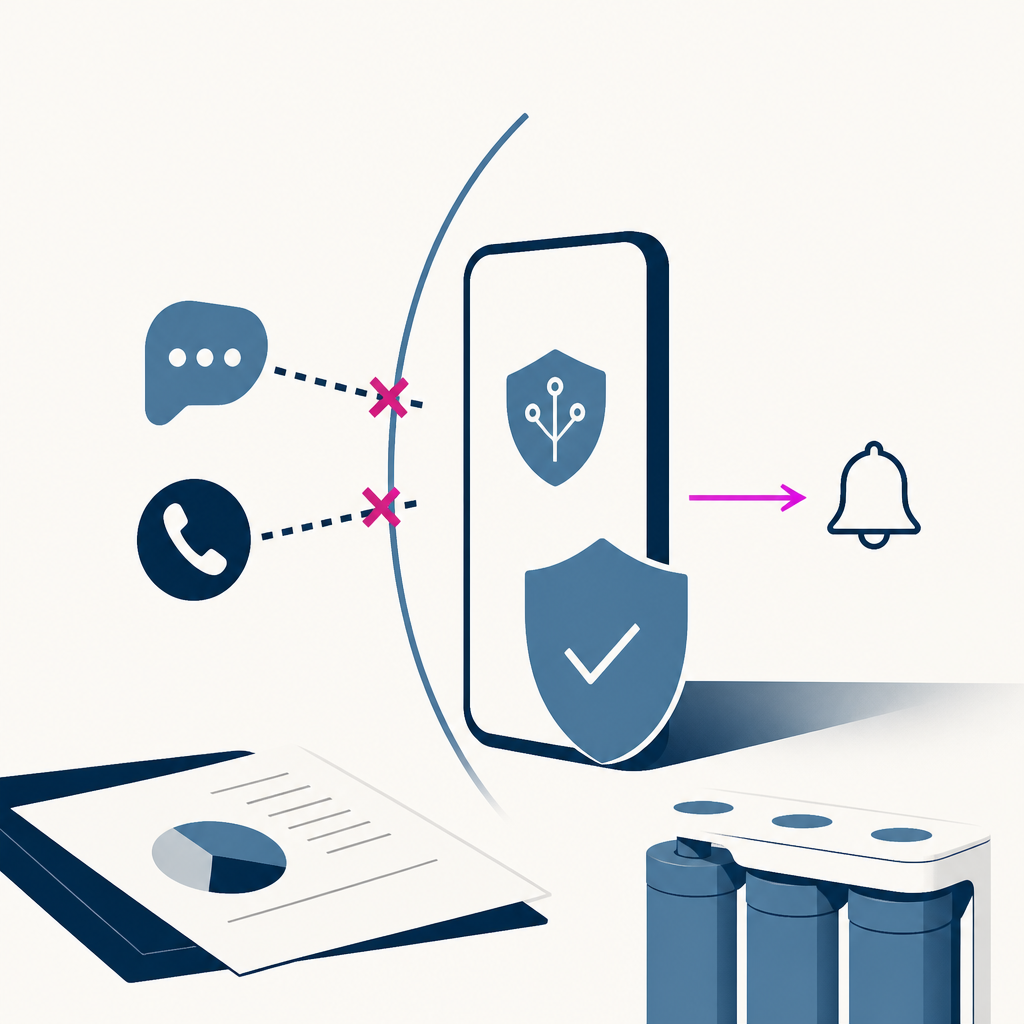 A €4,000 scam sparked a startup that stops phone fraud before your mobile even rings
Tech.eu · 1 month ago ·
30
Meta’s Muse Glimmer fits on a laptop
The New Stack · 1 month ago ·
47
Historian Jill Lepore says Silicon Valley misreads science fiction and undermines democracy
TechCrunch · 1 month ago ·
33
A €4,000 scam sparked a startup that stops phone fraud before your mobile even rings
Tech.eu · 1 month ago ·
30
Meta’s Muse Glimmer fits on a laptop
The New Stack · 1 month ago ·
47
Historian Jill Lepore says Silicon Valley misreads science fiction and undermines democracy
TechCrunch · 1 month ago ·
33