
AI in Logistics
Freight, warehousing and last-mile delivery, where AI optimises routing, demand forecasting and warehouse automation.
Use cases
AI-driven customs brokerage automation Emerging
- Problem:
- Rising trade policy complexity and tariff changes make cross-border customs classification and documentation increasingly burdensome and error-prone.
- Capability:
- document understanding and AI agents
- Value:
- Speeds up customs clearance, reduces compliance risk, and lets logistics providers handle greater shipment complexity without proportional headcount growth.
Barriers: regulatory variability across jurisdictions, data integration with government and carrier systems, trust in automated compliance decisions
Automated freight forwarding operations Emerging
- Problem:
- Freight forwarders spend significant manual effort on quoting, bookings, and invoice reconciliation, slowing throughput and increasing error rates.
- Capability:
- AI agents / conversational and document automation
- Value:
- Faster quote turnaround and reduced administrative overhead, with an auditable decision trail supporting continuous process improvement.
Barriers: integration with legacy freight systems, trust in autonomous decision-making, data quality across partners
Long-horizon supply chain planning agents Experimental
- Problem:
- Supply chain decisions such as procurement, inventory, and demand response require reasoning over long time horizons with multiple interacting variables, which is hard for static forecasting tools.
- Capability:
- multi-agent LLM reasoning and forecasting
- Value:
- Could improve resilience and cost efficiency in demand planning and negotiation-driven procurement by simulating and evaluating long-term strategic tradeoffs.
Barriers: benchmarks show inconsistent model performance, limited real-world validation, trust and explainability of agent decisions
Warehouse robotics with on-the-fly model updates Experimental
- Problem:
- Warehouse robots need to adapt quickly to changing layouts, inventory, and tasks, but updating onboard AI models is often slow and power-intensive.
- Capability:
- computer vision and edge AI model updating
- Value:
- Enables faster adaptation of robotic fleets to warehouse changes, improving throughput and reducing downtime from stale models.
Barriers: hardware maturity, integration with existing robotic fleets, still early-stage research
Leading vendors
Companies appearing most often in our recent Logistics coverage.
Recent developments
 Logibot bags €1.4M to build a ‘temp agency for robots’
Tech.eu · 1 day ago ·
34
Noetive launches with $41M to bring self-improving AI to factories and logistics
SiliconANGLE · 1 day ago ·
15
The AI data center e-waste problem is huge — and getting bigger
The Verge · 1 day ago ·
39
Nobody Waited For Them, But Sponsored AI Agents Are Coming to ChatGPT
Trending Topics · 1 day ago ·
5
Logibot bags €1.4M to build a ‘temp agency for robots’
Tech.eu · 1 day ago ·
34
Noetive launches with $41M to bring self-improving AI to factories and logistics
SiliconANGLE · 1 day ago ·
15
The AI data center e-waste problem is huge — and getting bigger
The Verge · 1 day ago ·
39
Nobody Waited For Them, But Sponsored AI Agents Are Coming to ChatGPT
Trending Topics · 1 day ago ·
5
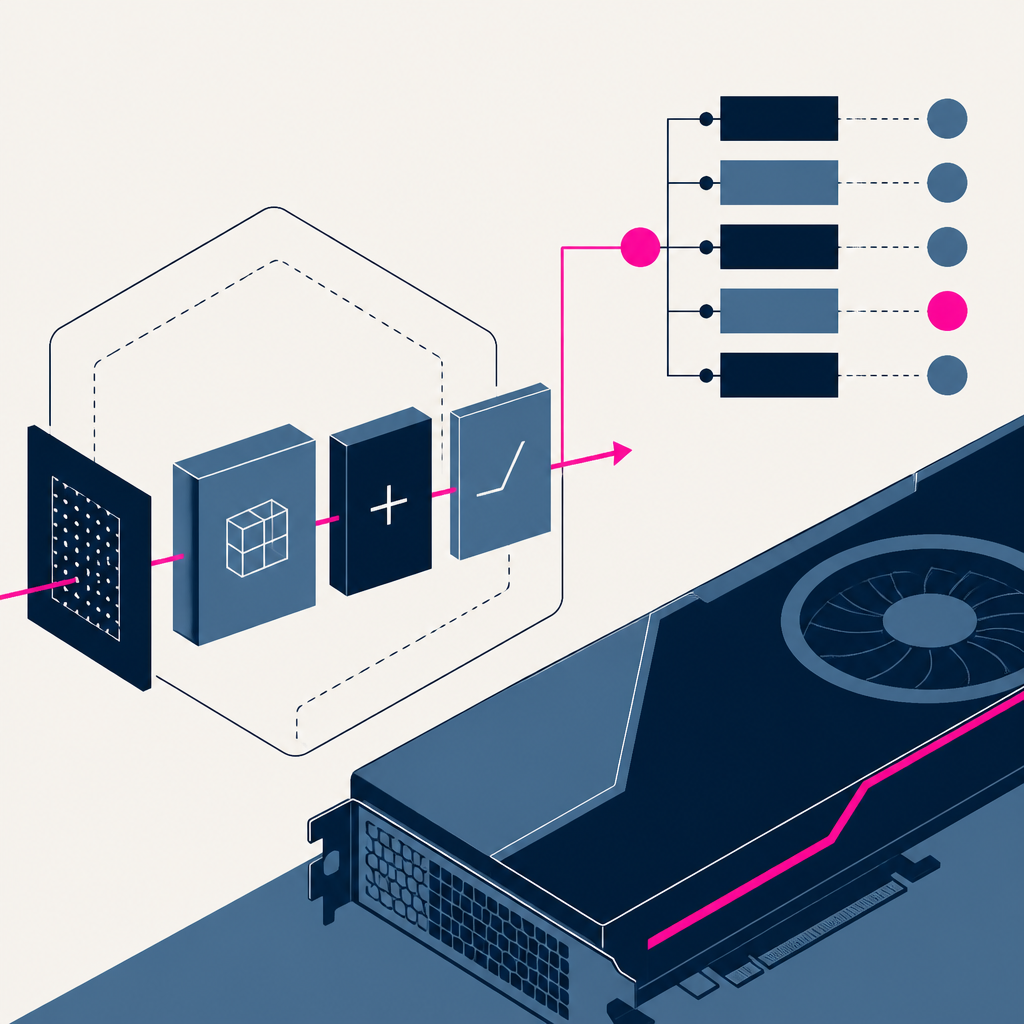 Inside NVIDIA’s cuDNN Graph API: Fusion, Autotuning, and Plan Reuse with cuDNN Frontend
MarkTechPost · 2 days ago ·
25
Inside NVIDIA’s cuDNN Graph API: Fusion, Autotuning, and Plan Reuse with cuDNN Frontend
MarkTechPost · 2 days ago ·
25
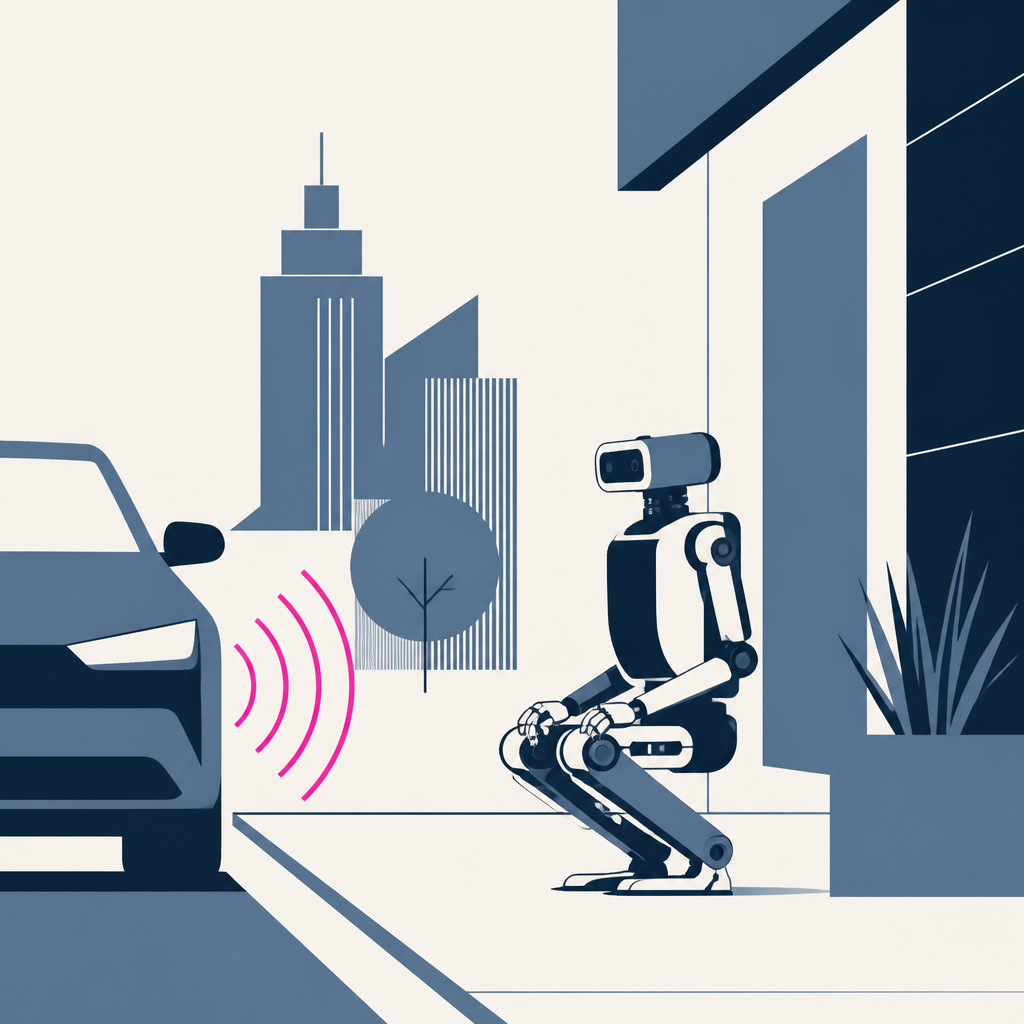 Agility’s new humanoid robot will stop, squat to avoid harming human coworkers
Ars Technica · 2 days ago ·
20
Agility’s new humanoid robot will stop, squat to avoid harming human coworkers
Ars Technica · 2 days ago ·
20
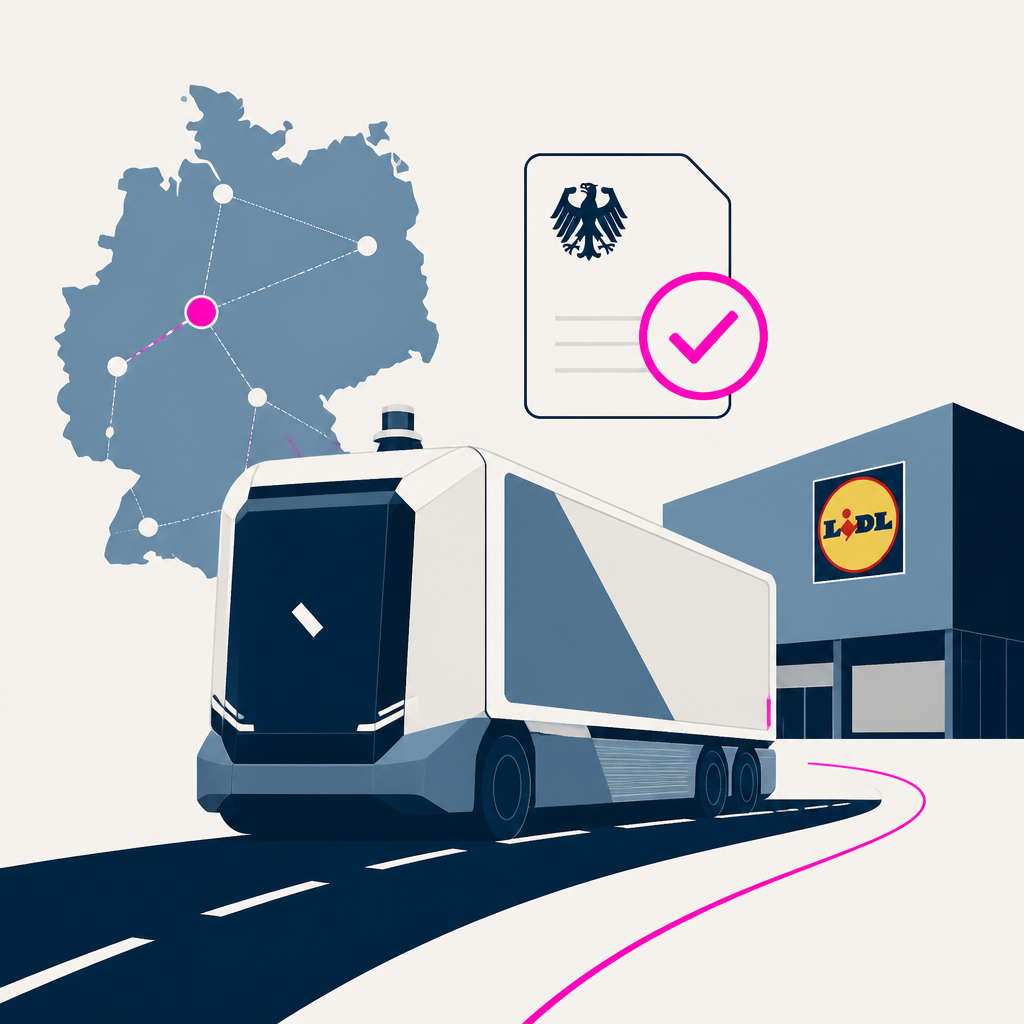 Einride and Lidl deploy Germany’s first driverless cab-less truck on public roads
Tech.eu · 2 days ago ·
30
Einride and Lidl deploy Germany’s first driverless cab-less truck on public roads
Tech.eu · 2 days ago ·
30