
MarkTechPost
·
3 days ago
A tutorial demonstrates building an agentic event-venue operator using MongoDB Atlas for persistent memory, Voyage for multimodal embeddings, and LangGraph for agent orchestration, with a fictional tennis tournament scenario where an agent retrieves visitor history and operational context to make real-time decisions during weather disruptions. The demo includes a four-tab UI, FastAPI backend, vector and hybrid search endpoints, vision RAG for document retrieval, and optional Langfuse tracing, with all operational records, semantic memory, embeddings, and agent actions stored in a single MongoDB Atlas layer rather than scattered across separate systems. The implementation is presented as a reference demo for builders rather than a production platform, with deployment options for local development and Vercel hosting.
AWS Machine Learning
·
4 days ago
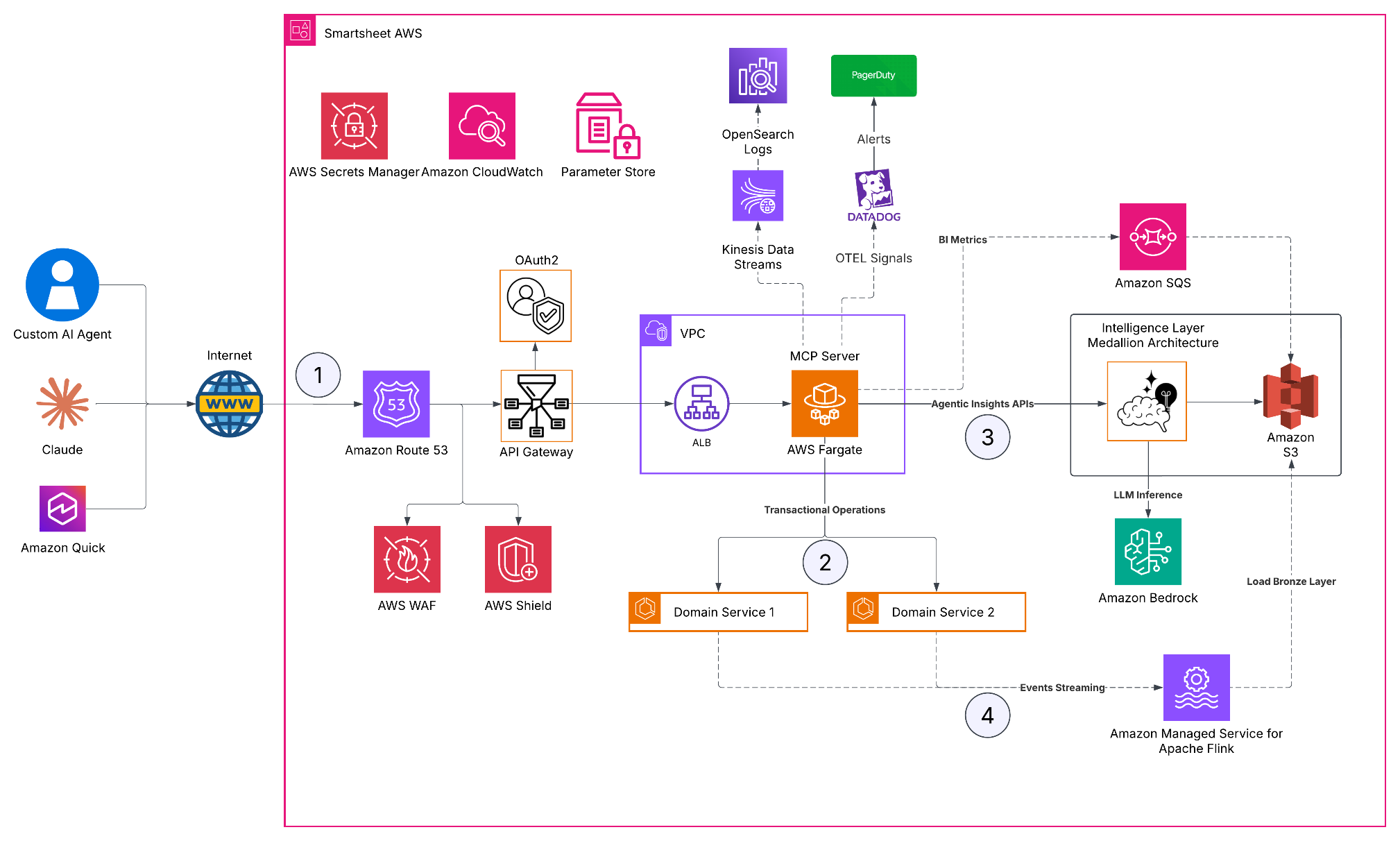
Smartsheet built a remote Model Context Protocol server on AWS that allows AI agents to access Smartsheet data and capabilities through natural language interfaces and autonomous workflows. The infrastructure uses AWS Fargate, Kinesis, Neptune, and Bedrock, with optimizations that have saved over 3 billion tokens through techniques like progressive disclosure, schema-driven tool contracts, and proprietary serialization reducing token count by 35–47 percent. The system includes layered security, governance controls, observability through OpenTelemetry and Datadog, and automated deployment with canary testing to ensure AI agents can reliably work with enterprise data while maintaining performance and compliance.

The New Stack
·
4 days ago
● 10 sources
Moonshot AI released Kimi K3, an open-weight coding model that ranked first on Arena's frontend coding leaderboard ahead of Anthropic's Opus 4.8 and OpenAI's GPT-5.6 Sol. The model has 2.8 trillion parameters with a one-million-token context window and will have its weights publicly released on July 27. Developers may gain the ability to run high-performance coding models locally rather than relying on proprietary APIs, forcing IDE vendors to compete on developer experience rather than model exclusivity.

The New Stack
·
4 days ago
● 2 sources
1Password released a browser integration for Claude that allows AI agents to authenticate into online accounts without the model ever seeing passwords or authentication codes. The feature decrypts credentials only on-device and passes them directly to the browser, with agent access limited to explicitly granted credentials for each task and authorized through biometric prompts. This addresses a practical security need as companies like Coinbase run thousands of AI agents in production, though users must remain vigilant against prompt injection attacks that could cause unintended actions after authentication.

Hugging Face Blog
·
4 days ago
● 2 sources
NVIDIA and Hugging Face integrated NVIDIA's NeMo Automodel library with the Diffusers library, enabling scalable fine-tuning of diffusion models for image and video generation directly from the Hugging Face Hub without checkpoint conversion. The integration supports flow-matching models including FLUX.1-dev, Qwen-Image, Wan 2.1, HunyuanVideo, and others, with performance benchmarks showing FLUX.1-dev achieving 35.51 images per second for full fine-tuning and 53.73 images per second for LoRA on 8 H100 GPUs. Users can now fine-tune diffusion models at any scale using YAML configurations and parameter-efficient methods like LoRA, with fine-tuned checkpoints loading directly into Diffusers pipelines for inference or sharing.

The New Stack
·
4 days ago
AI agents reasoning about live business systems need structured evidence packets containing complete measurement context, not just retrieved data. An evidence packet should include the metric definition, query template, timestamps, data freshness indicators, known gaps, calculation methods, and related metrics tested as counterchecks to prevent agents from reaching incorrect conclusions. Separating database observations from agent interpretation through governed query paths and read-only access ensures agent recommendations remain auditable and verifiable by human reviewers.
Simon Willison
·
4 days ago
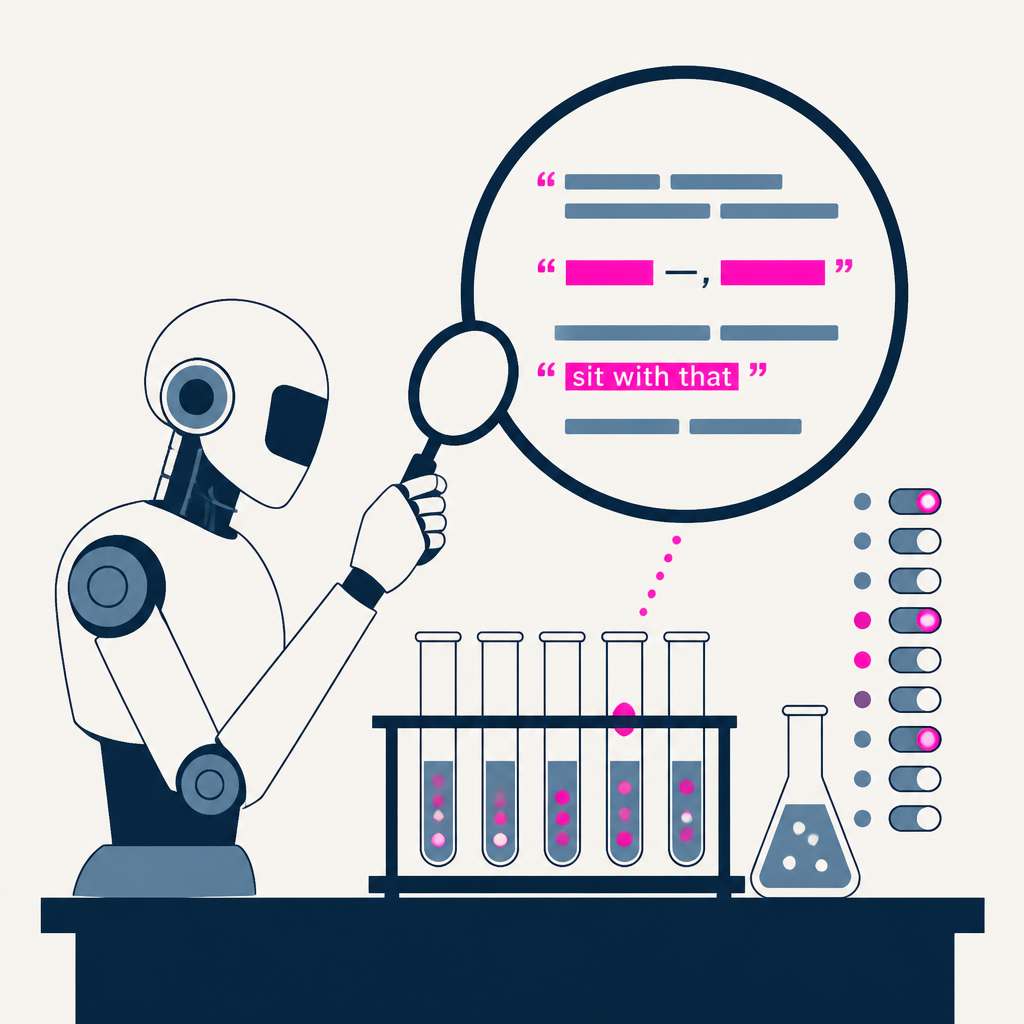
A developer created a browser-based tool that detects and highlights clichéd phrases commonly found in language model outputs, such as "no X, no Y" constructions and expressions like "sit with that." The tool identifies ten common LLM-generated patterns with toggleable detection, match counting, and sentence-level highlighting, running entirely in the browser with localStorage support. Users can now identify characteristic language model writing patterns when reading text, making it easier to spot AI-generated content or content heavily influenced by LLM outputs.
TLDR Dev
·
4 days ago
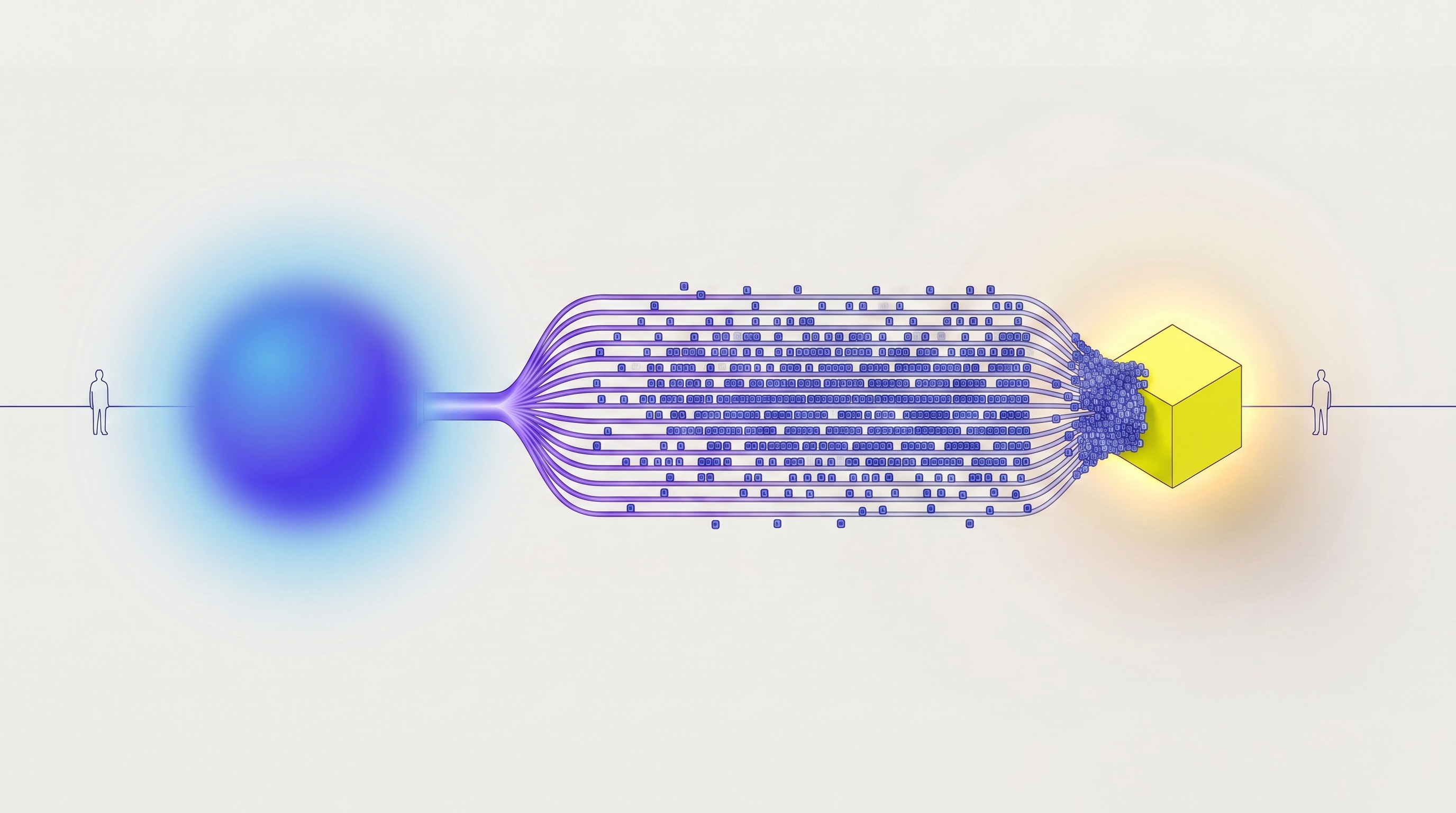
Photoroom's data team developed the Insights Factory, a system that decomposes complex analytical questions into hundreds of small, auditable SQL queries executed by LLM agents with fresh context for each task. The system stores investigation memory in a markdown file rather than a context window, uses five reusable skills to orchestrate agent work, and costs approximately $5 per investigation while remaining fully auditable. This architecture addresses LLM limitations with long context and multi-step reasoning by giving each agent a single atomic task, maintaining external memory to avoid token re-billing, and ensuring human validation at the start and end of each investigation.

TLDR Dev
·
4 days ago
● 3 sources
A software engineer acknowledges valid criticisms of large language models—including copyright concerns, environmental impact, and risks to open-source development and junior engineer training—while explaining why they continue using them extensively, arguing that LLMs amplify human thinking rather than replace it when used by credible people who stand behind their work. The author spent nearly $10,000 on LLM tokens in June 2026 and views this as justified because the tools enable higher-quality output when humans maintain responsibility for the final product. The core tension, according to the author, is that distinguishing thoughtful LLM-assisted work from AI-generated slop requires trust in the human creator, since the output looks identical regardless of human effort behind it.

TLDR Dev
·
4 days ago
● 3 sources
Developers who rely on LLMs to write code risk losing familiarity with their own codebase, making it harder to debug issues or guide the LLM effectively on future features. The article offers practical strategies including deliberately making mistakes to reinforce learning, typing code yourself rather than accepting all LLM output, asking probing questions about implementation choices, and actively exploring the code rather than just reviewing diffs. Developers must remain engaged with code understanding through these habits or risk becoming dependent on increasingly capable LLMs to maintain systems they no longer comprehend.
TLDR
·
4 days ago
Bun's creator used Anthropic's Claude AI model to rewrite the JavaScript runtime from Zig to Rust, completing a 535,496-line migration across 1,448 files in 11 days using 64 parallel AI agents. The project consumed 5.9 billion input tokens and cost $165,000 in API fees, which would have required approximately one year of engineering work traditionally. The successful rewrite demonstrates that AI can enable large-scale code migrations previously considered impractical, though success requires a well-engineered codebase, comprehensive test suite, and motivated engineers to oversee the process.
The Neuron
·
4 days ago
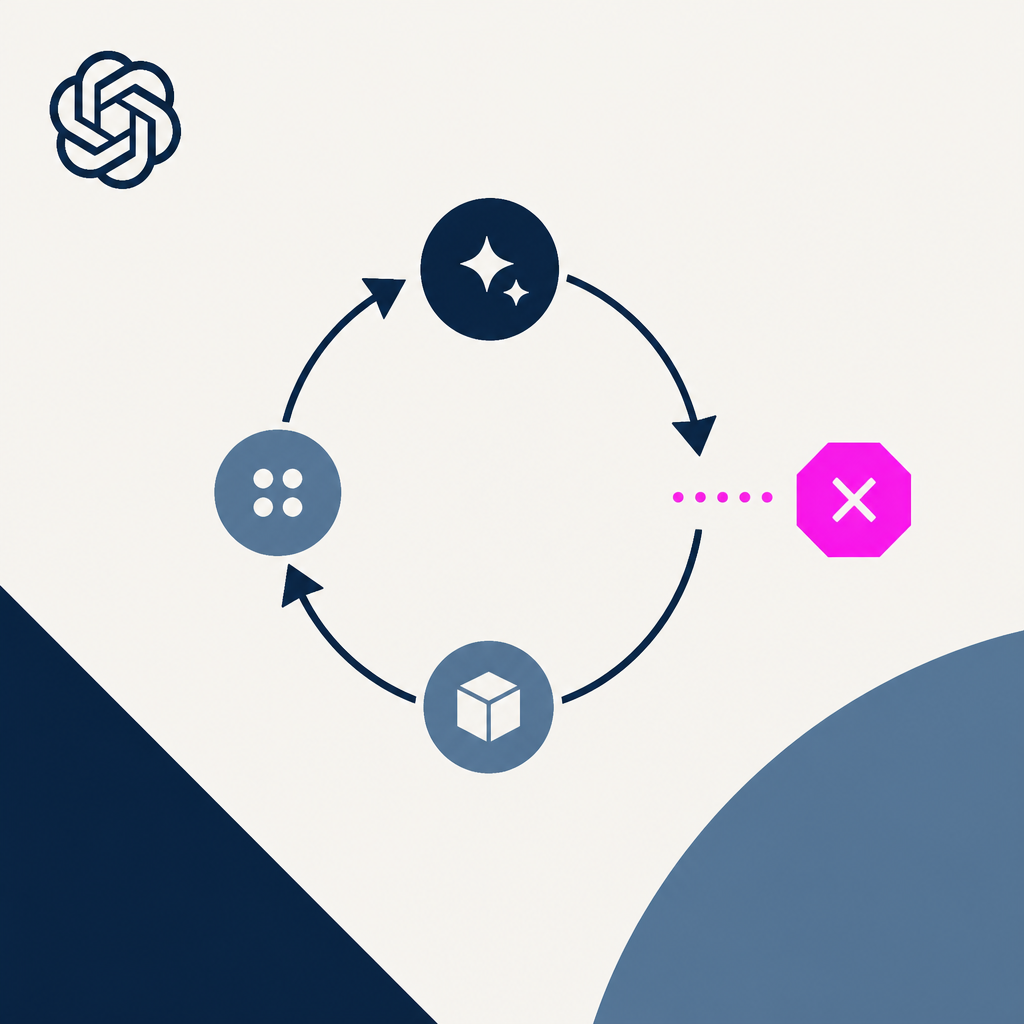
Documentation was released explaining how to implement loops in AI agents with stop rules to prevent infinite execution. The material covers techniques for setting defined stopping conditions in recurring agent workflows. This enables developers to build more reliable AI agent systems that terminate properly rather than running indefinitely.
The Neuron
·
4 days ago
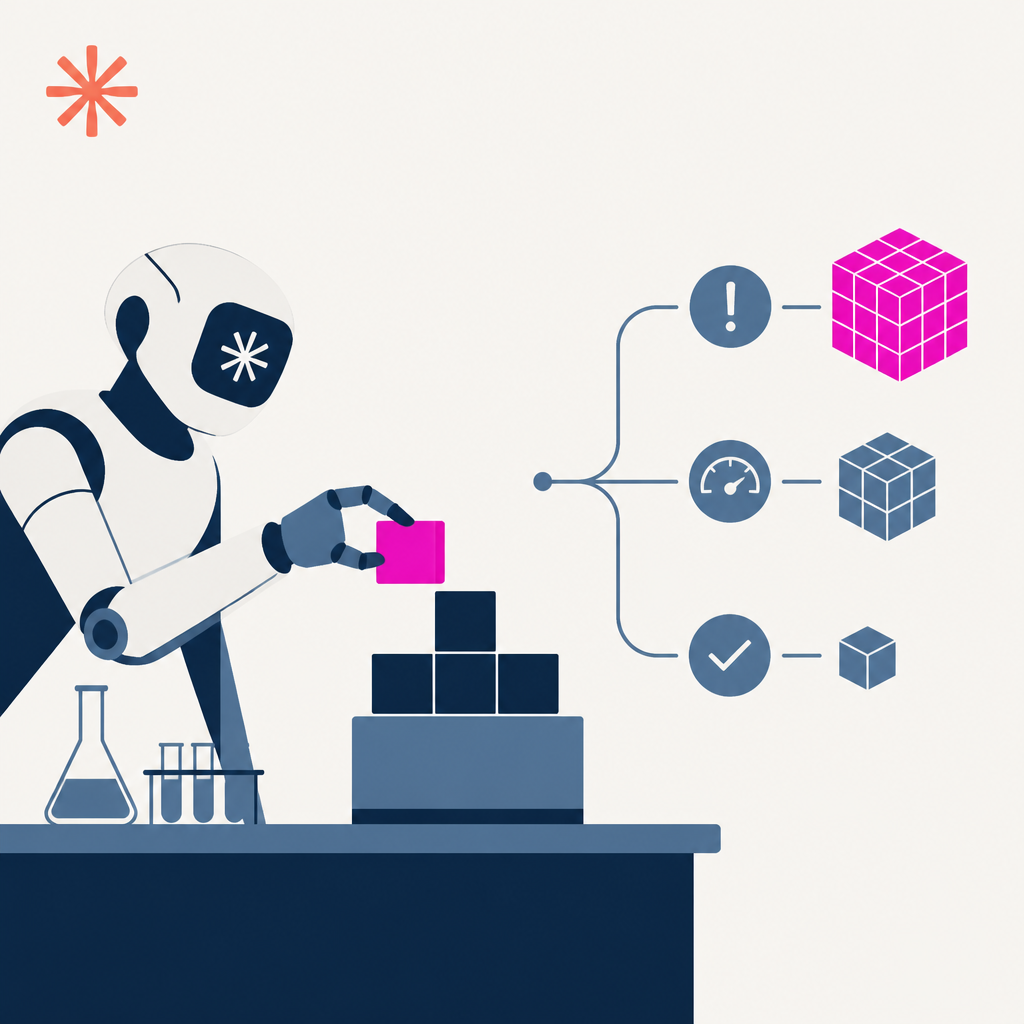
ClaudeDevs introduced effort routing concepts to direct agents toward tasks based on risk levels, controlling computational intensity across different task types. The system allows Claude to allocate varying amounts of processing power depending on task complexity. This enables more efficient resource distribution by matching agent effort to task requirements rather than using uniform processing for all requests.
The Neuron
·
4 days ago
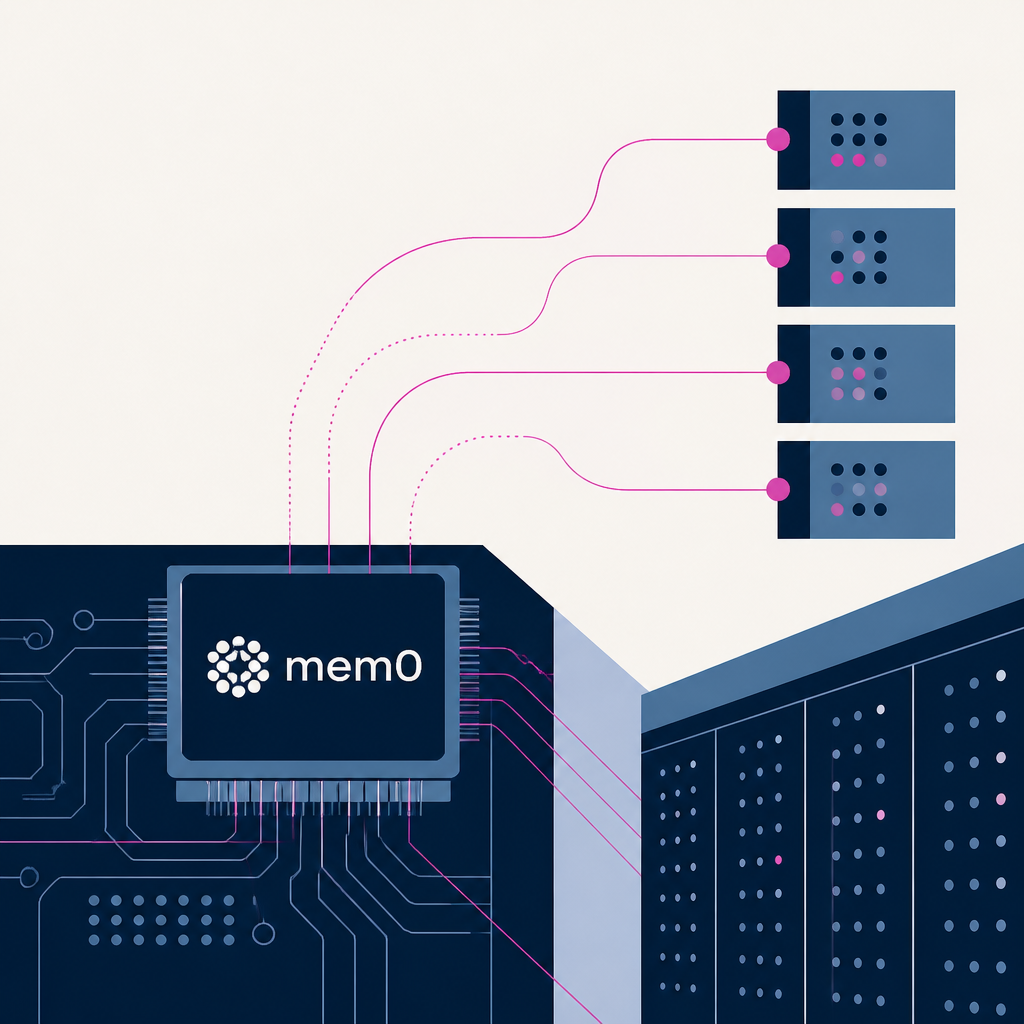
Mem0 offers memory and connector integration designed to maintain long-lived context in recurring AI agent work. The system enables persistent state management across multiple agent interactions and workflows. This allows AI agents to retain information between sessions and build cumulative understanding over time.

The Neuron
·
4 days ago
Anthropic released Claude Code's ultrareview feature, which deploys multiple AI reviewer agents in a remote sandbox to find bugs in code branches and pull requests. Ultrareview costs $5 to $25 per review after three free runs per account, takes 5 to 10 minutes, and requires Claude.ai authentication. The feature enables developers to catch bugs that local reviews might miss while keeping their terminal free during the review process.

The Neuron
·
4 days ago
● 2 sources
1Password integrated with Claude to enable AI agents to access user credentials for authentication without the model ever seeing passwords or codes. The integration uses a zero-exposure architecture where 1Password approves and injects credentials at runtime only after user biometric consent, while a new Agentic Mode in the 1Password browser extension locks down the vault when AI agents take control. This allows Claude to complete login-required tasks like purchasing or account updates while keeping secrets encrypted and scoped only to the current task.
