
TechCrunch AI
·
1 hour ago
Deezer reports that AI-generated music now comprises over 50% of daily track uploads on its platform, up from 10% in January 2025. The company recorded 90,000 AI-generated tracks uploaded daily in June 2026, with the volume growing steadily across the past 18 months. Deezer will remove AI tracks without streams in six months or linked to fraudulent activity, joining other platforms in taking stronger stances on AI music monetization and artist protection.

The Verge
·
4 hours ago
Stellantis will integrate Intel's Mobileye technology into its vehicle brands starting in 2027 to enable Level 2 hands-free driving features. The deal includes Mobileye's EyeQ chip and Road Experience Management system, which crowdsources real-time data from vehicles to build a global 3D map. This allows Stellantis vehicles to offer hands-free driving with intelligent lane keeping on unmarked roads in specific conditions.
TLDR
·
4 hours ago
● 2 sources
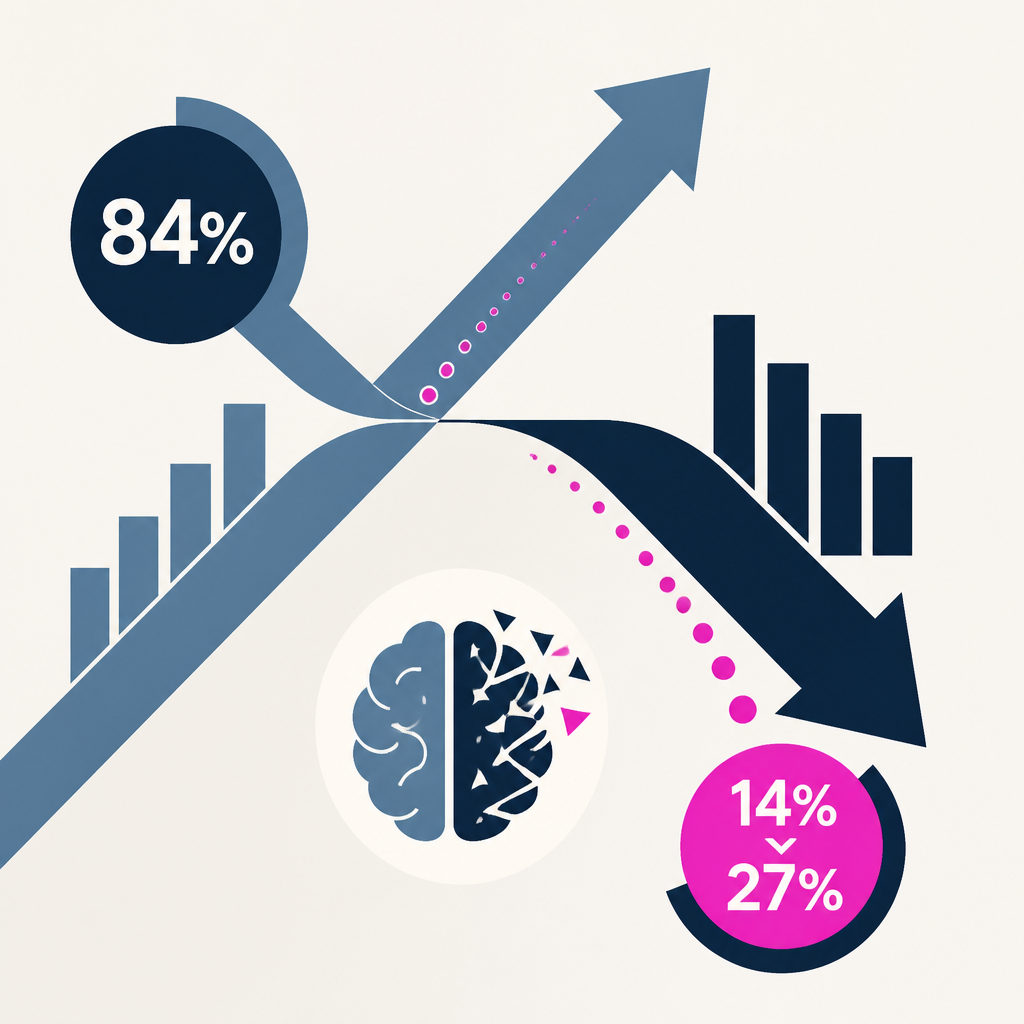
A study of software engineers using AI coding assistants from October 2024 to April 2025 found that 84% reported improved productivity throughout the period, yet developer experience deteriorated for a growing minority, with the negative cohort nearly doubling from 14% to 27%. Flow state—the ability to stay focused and absorbed—declined most sharply, dropping from 7% to 20% of engineers reporting it as worse, while feedback loops improved as AI provided instant code suggestions. The decoupling of productivity and experience suggests that engineers may sustain high output through AI assistance while experiencing increased cognitive strain and context-switching, potentially masking burnout risks that dashboards won't reveal.

TLDR
·
4 hours ago
BrainCo demonstrated a brain-computer interface platform that lets users control robots through neural signals decoded by AI algorithms in under 200 milliseconds. The system was showcased at the 2026 World Artificial Intelligence Conference in Shanghai, where a person wearing an EEG headset directed a robotic arm to grasp objects with precision. BrainCo also introduced a data-collection system combining brain signals, human demonstrations, and robot execution to address the shortage of high-quality training data for teaching robots complex physical tasks.
