TLDR
·
6 hours ago
Thinking Machines Lab, founded by Mira Murati, released its first AI model called Inkling, a foundation model with 975 billion parameters designed to perform broadly across multiple domains. The model emphasizes cost-efficiency and can be customized through Tinker, a cloud-based fine-tuning tool. The release represents an attempt to compete with established AI giants by offering a more balanced and adaptable alternative.
TLDR
·
6 hours ago
Waymo and Uber are engaged in competing lobbying efforts over autonomous vehicle regulation, with disagreements about job losses and local economic impacts despite their partnership. Waymo operates robotaxi services in San Francisco and Phoenix while Uber continues traditional ride-sharing, creating conflicting business interests. The conflict will likely shape regulatory decisions that determine how quickly autonomous vehicles replace human drivers and which companies profit most from the transition.

The Verge
·
8 hours ago
Google must give rival search engines and AI assistants greater access to Android and Google Search following EU antitrust orders. The company has until January 2027 to begin sharing search data and July 2027 to implement Android changes. This could diminish Google's control over these platforms and create opportunities for competitors to expand their services.
The Batch
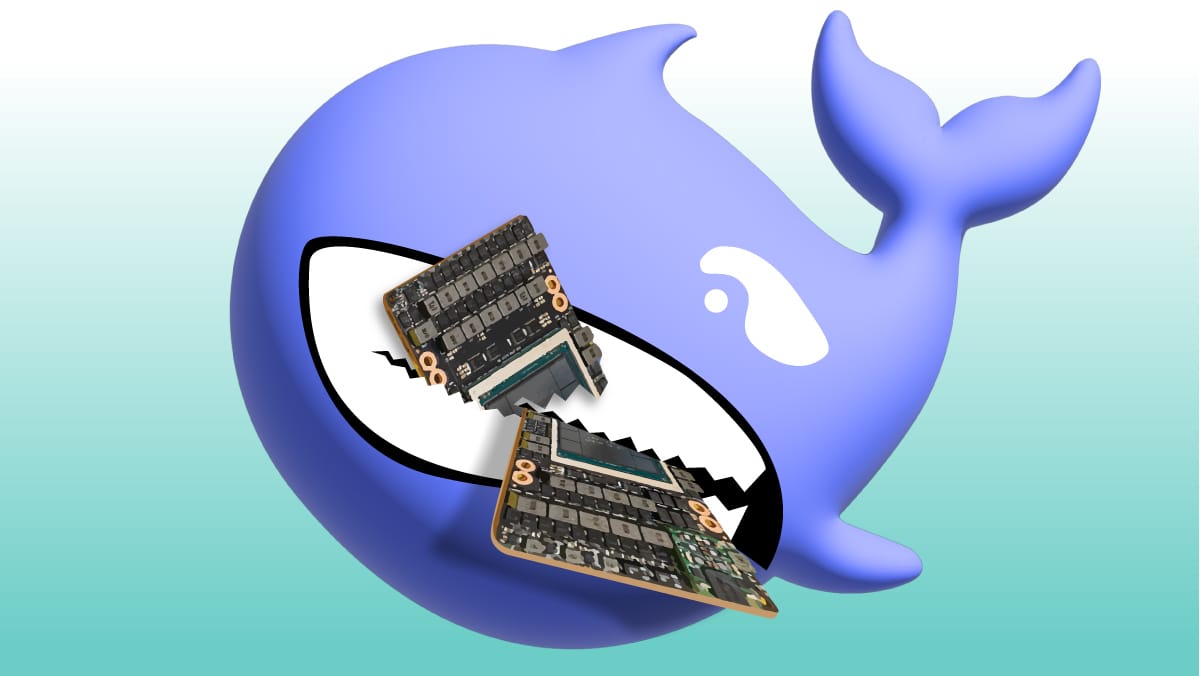
DeepSeek released an open-weight reasoning model (DeepSeek-R1) that matches OpenAI's o1 performance, triggering a stock market sell-off of Nvidia and other U.S. tech companies. DeepSeek-R1 costs $2.19 per million output tokens compared to o1's $60 per million, a nearly 30-fold price difference. The advancement demonstrates that algorithmic innovation and optimized training can compete with raw computational scaling, shifting focus away from the assumption that more computing power is the only path to AI progress.
