ChinaTalk
·
1 week ago
ChinaTalk's mid-2026 review identifies twenty significant developments spanning geopolitics, AI competition, and technology trends. Key AI-related findings include Chinese developers accessing Claude through Singapore-based workarounds at 90% discounts to train domestic models, China holding approximately 2.7–2.8 million H100-equivalent AI chips (one-eighth of global compute), and Chinese AI leaders estimating only a 20% chance that a Chinese model will lead globally in 3–5 years. These developments shape AI policy, export controls, and the competitive landscape between US and Chinese AI capabilities.
TLDR
·
1 week ago
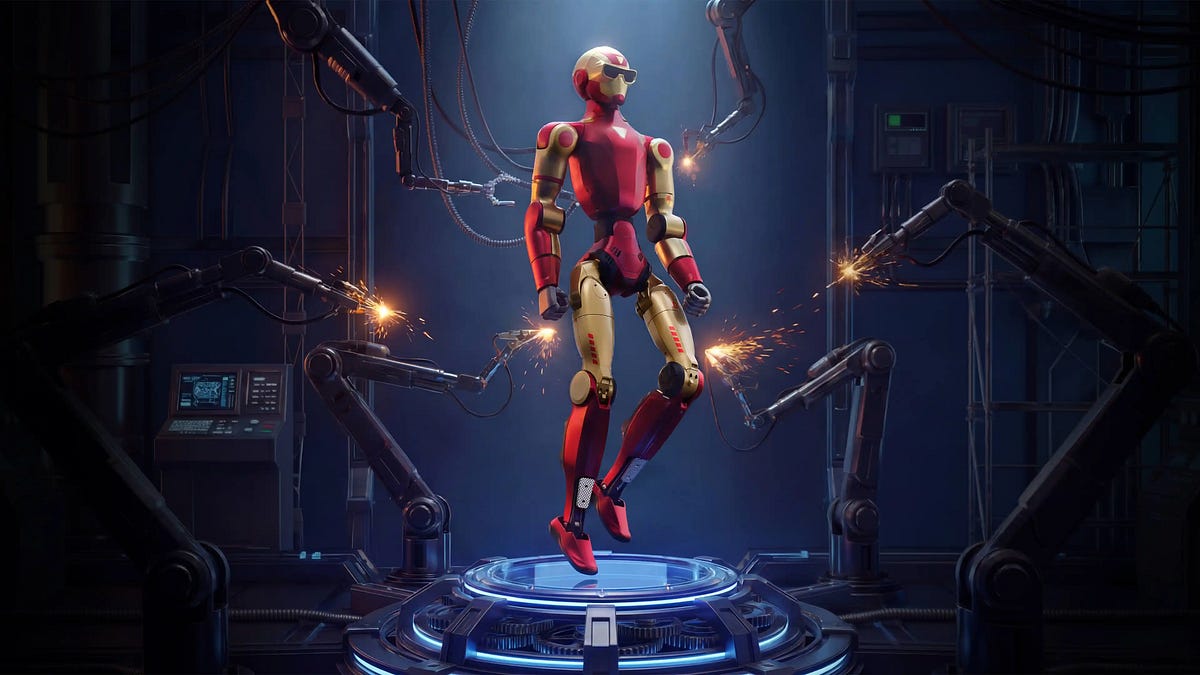
Unitree has progressed from a quadruped robotics company to producing humanoid robots with increasing dexterity and capability over just a few years. The company's R1 model costs around $4,900, making it affordable for upper-middle-class consumers, while the H2 demonstrates improved payload capacity and the G1 operates for up to ten minutes before requiring ten to fifteen minutes of rest. If Unitree maintains its iteration speed and continues deploying robots across entertainment and commercial tasks, the flywheel effect could accelerate improvements in cost, reliability, and capability much as DJI did for consumer drones.

Rest of World
·
1 week ago
China's AI sector is producing a different class of entrepreneurs—precarious workers using generative AI tools for freelance work like copywriting, design, and e-commerce—who operate under economic constraints that differ from the venture-capital-driven Silicon Valley model. Chinese AI companies like DeepSeek emphasize model efficiency and engineering optimization rather than scaling compute, with companies operating under U.S. chip export controls and limited resources. This constraint-driven innovation model, supported by government voucher programs and family financial buffers, creates a development pathway distinct from both Silicon Valley's approach and traditional catch-up imitation.
