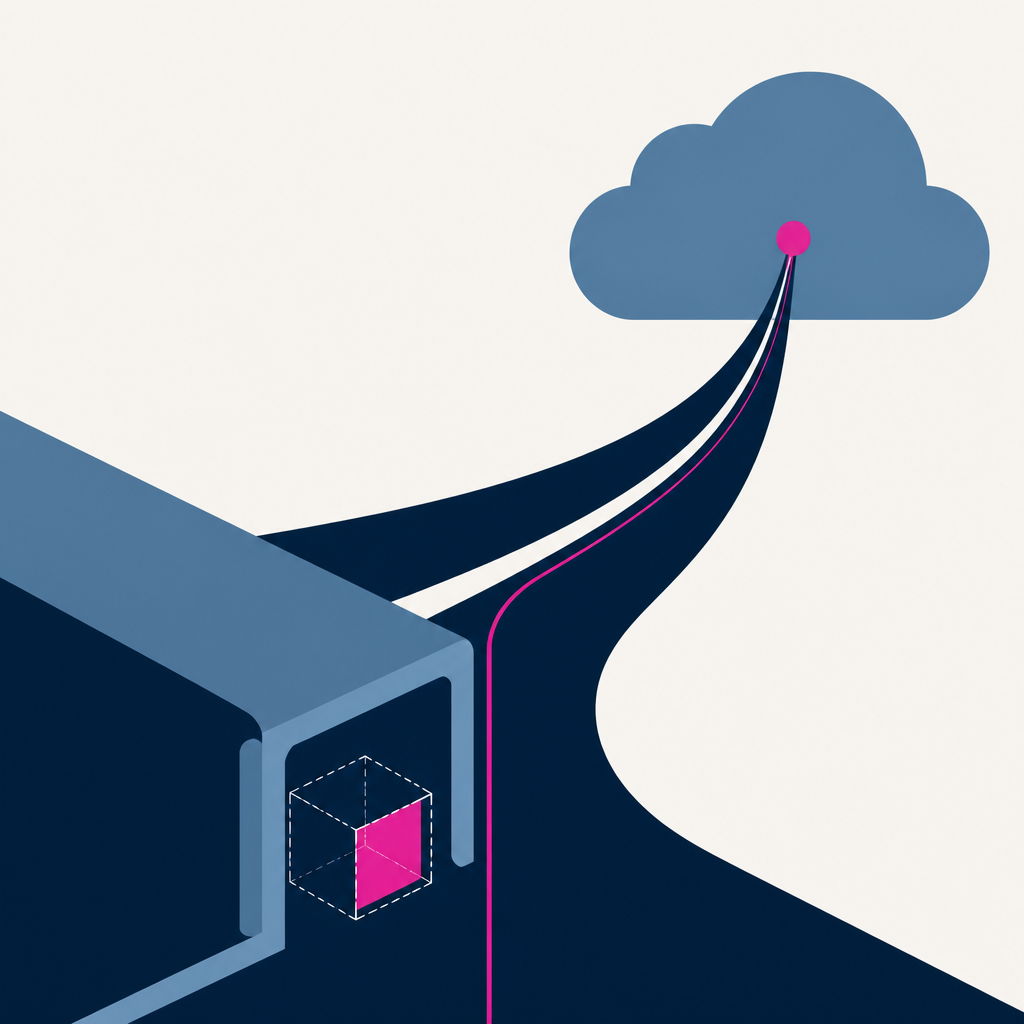
Cowork updated how it runs Claude by moving both model inference and the VM sandbox to the cloud instead of running the inference in the cloud while executing tool calls locally in an Anthropic-provided VM on the user’s device.
Former OpenAI and Anthropic researcher Jacob Coxon and other former AI insiders testified to the New York City Council that advanced AI is more likely than not to get out of control and could lead to human extinction. The hearing set the chance framing at “roughly one in three” for an AI takeover, alongside claims that safety failures could be hard to detect. The City Council moves forward with AI bills requiring outside validation and human shutdown ability, with $25,000 fines, while the witnesses argue those safeguards may only help short term and that frontier model development may need a slowdown.
The Pentagon stopped using Anthropic AI tools after designating the company a supply-chain risk, according to a statement to the BBC. The department said it would halt use by late August, after the supply-chain designation in February. As a result, Claude was removed from Pentagon systems, and the services shifted further toward other vendors like Google, xAI, and OpenAI.
OpenAI, Anthropic, and other AI labs announced mathematics breakthroughs during the past year. The article says these results include solving one of the Millennium Prize problems. The backlash from mathematicians and academia has prompted the labs to promise they’re learning from earlier mistakes while pushing ahead.
The article argues that indefinite exponential growth is limited by nature, then turns to Anthropic’s revenue growth as an example of something going wrong. It cites an illustrative cost of about ~500 trillion dollars in rice grains to model exponential “doubling” across a chessboard. As a result, it sets up an upcoming explanation for what is driving Anthropic’s apparent revenue trend problem.
A Florida woman used Claude as a personal diary and was arrested after Anthropic reported her threat to the Lee County Sheriff’s Office to police. The threat included a message in late September saying she would “shoot up” the office and a day later she mentioned buying a new gun. This results in criminal charges under Florida law as well as more attention to how AI chat safety screening can trigger police reporting.
The author argues that business leaders should decide how to use AI by sorting tasks into automate, assist, or own, based on where human judgment and connection must remain. A key example is a post that reached 3.5 million views, which the author attributes to an unpolished meme created by real social media managers rather than AI-generated content. The guidance changes how teams allocate time and responsibility: automate repetitive admin, use AI to speed drafting and research while keeping judgment, and ensure a specific human is accountable for anything in the “own” category.
Axios reported that Sam Altman’s comments were seen as a veiled critique of Anthropic’s approach to consulting religious thinkers on AI morality. The article focused on the safety question of whether models given religious or human-like judgment pose risks. The coverage shifts the debate toward AI safety concerns tied to using ethical or religious authority in model outputs.
Sam Altman said assigning religious power or human judgment to AI models is a real safety issue. He described the concern as “a real safety issue” and said he is “very uncomfortable” with it. The framing shifts safety debate toward limiting how AI is trusted or empowered in human-relevant authority contexts.
Anthropic co-founder Chris Olah consulted Catholic, Jewish, and Sikh scholars about teaching Claude ethics. The report says he spent about a year on the effort. Anthropic is applying these religiously informed guidance ideas to how Claude handles right and wrong.
Every AI story that matters,
in your inbox by 8am.
TLDRocket reads all relevant sources, removes duplicate coverage, and summarises the
day in two minutes. Follow companies and topics for alerts, or get the
briefing in Slack. Free, no spam, unsubscribe anytime.
Reading TLDRocket needs no cookies, and the readership counts we rely on come from
our own cookieless analytics. Google Analytics is the exception: it sets cookies and
reports to Google, so it stays switched off until you allow it. You can change your
mind any time from “Cookie settings” in the footer.
Strictly necessary
Session security and form protection (tldrocket-session,
XSRF-TOKEN, 2 hours). The site cannot work without them,
so they need no consent.
Always on
Google Analytics 4 (_ga,
_ga_<id>, up to 2 years). Measures which
stories and sections readers use. Google acts as a third-party processor and may
store the data outside the EU. No advertising, no profiling, no data sold.