Traycer
GitHub
Traycer launched as an open-source app that lets you run multiple AI coding agents together, sharing memory and context. It works with agents you already pay for, like Claude Code and Cursor, so you're not stuck in one ecosystem.
Based on reporting by GitHub — read the original for the full story.
Summary, retelling and take written by AI under human oversight; images are AI-generated illustrations. How we work · Report an error
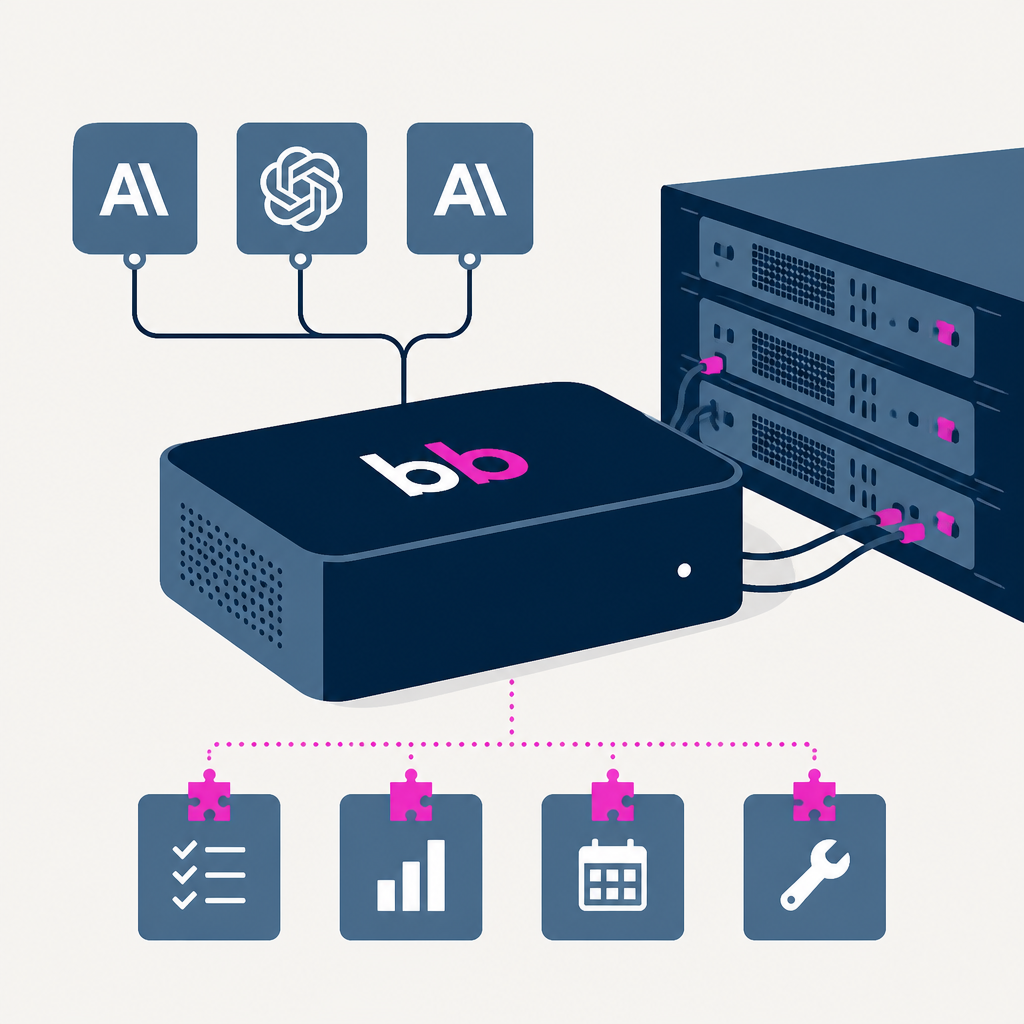
There's a specific headache in AI-assisted coding right now: you pick an agent, you commit to its ecosystem, and if you want a second opinion from another model you basically start over. Traycer, a new open-source orchestration app, is built to erase that friction. It lets you run several agents side by side, in the same chat, with a shared context window that follows you across providers instead of resetting every time you switch.
The core pitch is Bring Your Own Agent. Traycer plugs into subscriptions people already have — Claude Code, Codex, Cursor, and OpenCode are all fully supported at launch — rather than forcing a new paid tier on top. There's also a native Traycer inference option for anyone who'd rather not juggle separate accounts. Either way, the unified context layer is the interesting part: switch from one model to another mid-conversation and the memory carries over, so you're not re-explaining your codebase to a fresh session every time you change your mind about which model to trust.
Traycer also lets agents talk to each other directly. You can set up loops where one agent drafts an approach and another critiques it, effectively automating the kind of architecture debate or code review a human team would do in Slack. For structure, there are two modes: a quick regular mode for one-off tasks, and an Epic mode meant for longer, multi-step builds that need more planning discipline.
Beyond the agent mechanics, Traycer is clearly aimed at teams, not just solo tinkerers. It has shareable boards, ticket assignment to specific agents, real-time co-editing, and state that syncs across devices and operating systems — Windows, macOS on both Apple Silicon and Intel, and three flavors of Linux packaging. On privacy, code is processed in memory rather than stored, and there's a Privacy Mode that's on by default for team plans and opt-in for individuals; turn it off and your prompts may get logged to improve the product. Requests to third-party CLI providers route straight to those providers, while Traycer's own inference goes through its own servers. The whole thing is MIT licensed, so anyone can inspect, fork, or extend it, which fits the broader trend of orchestration tooling trying to sit above the model layer instead of getting locked into one.
My take — AI-written commentary, not fact-checked reporting
This is the right instinct: stop asking developers to marry one model and start letting them run a bench of agents that actually talk to each other. The BYOA model is the smart part, because subscription lock-in has been the quiet tax on every 'AI coding assistant' launch this year, and any tool that respects the money you've already spent deserves attention. I'd watch whether the agent-to-agent debate feature is genuinely useful or just an expensive way to burn tokens arguing with itself, but as an open-source layer over the mess of competing coding agents, it's a pattern I expect to see copied fast.
Read more about this at: GitHub