The Robots Cometh
TIME ● Covered by 2 sources
Unitree's founder just showed off a 9-foot, half-ton mecha robot with a human-pilot cockpit, inspired partly by UFC and Avatar. It's a wild flex, but the real story is China quietly leading the humanoid-robot race on volume and price.
Based on reporting by TIME — read the original for the full story.
Summary, retelling and take written by AI under human oversight; images are AI-generated illustrations. How we work · Report an error
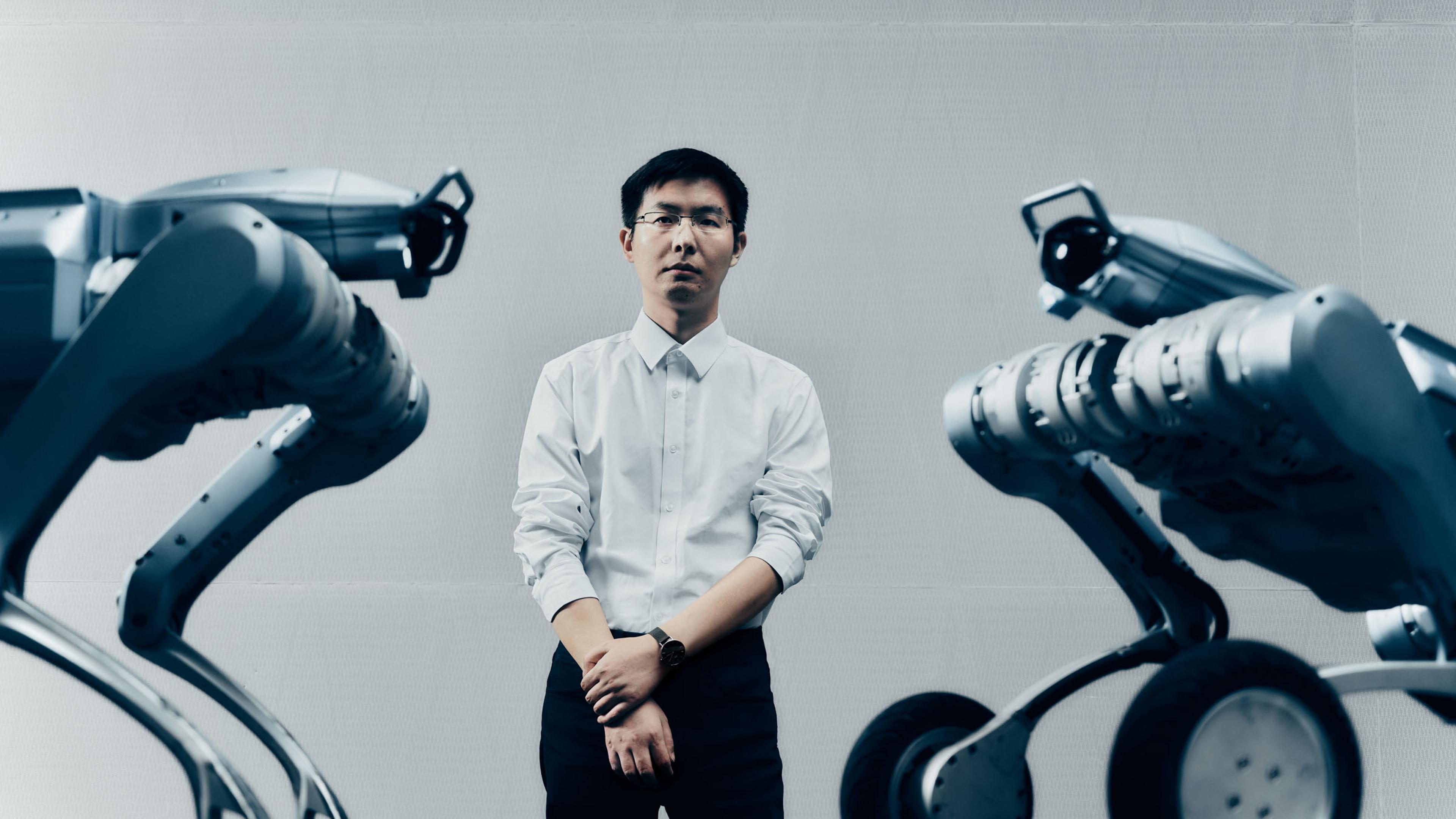
Wang Xingxing watched a UFC fight and decided he needed a bigger robot. That impulse produced the GD01, a 9-foot, half-ton machine with a cockpit in its torso, titanium-alloy limbs, carbon-fiber armor, and the ability to walk on two legs or four. Unitree calls it the world's first mass-produced transformable mecha. Wang name-checks both mixed martial arts and James Cameron's Avatar as inspiration, which tells you something about the register this whole industry now operates in.
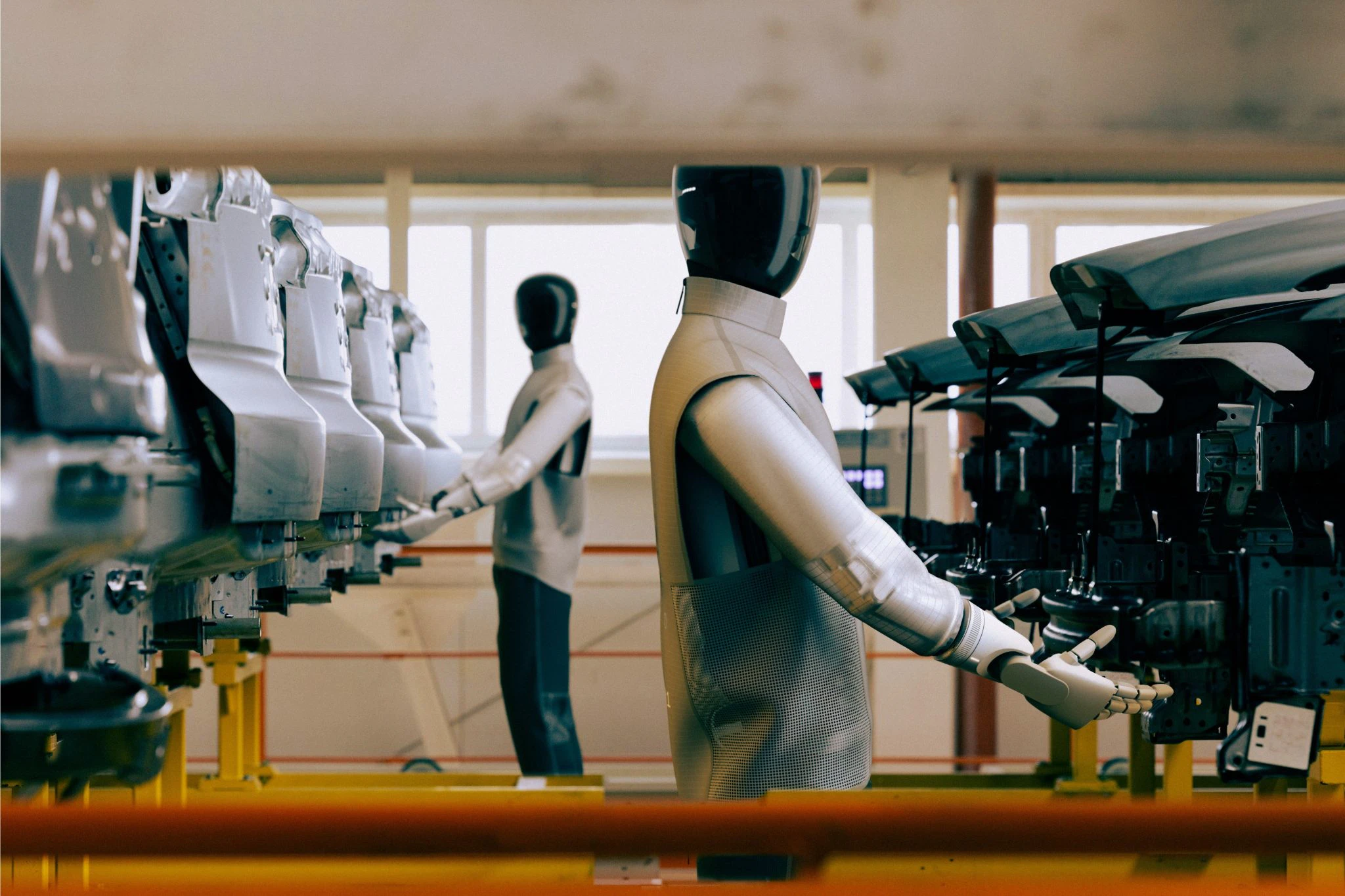
But the GD01 is a flex, not the business. The actual workhorse is Unitree's G1 humanoid, part of a broader wave that Morgan Stanley thinks could put 13 million humanoids into the world by 2035 and a billion by 2050, in an industry it pegs at $5 trillion by then. Tesla wants 10 million Optimus units a year eventually. Figure's robots are already on a BMW line in South Carolina. Agility has deployments with Toyota and Mercado Libre. Unitree, though, shipped more than 5,500 units in 2025 alone, over a quarter of the entire global market, and Nvidia is now putting its Jetson Thor chip into Unitree's H2 for research labs worldwide.
Wang's edge is unglamorous: he makes things cheap. The G1's pretax price has dropped from $16,000 to $13,500 in 18 months, even as component costs sit under $9,000 by outside estimates, leaving Unitree a healthy margin. The R1 now sells for under $5,000, and Unitree's robot dogs have fallen from $45,000 to under $2,000 over six years. Much of that comes from building actuators in-house, the
My take — AI-written commentary, not fact-checked reporting
(this is placeholder, ignoring)
Read more about this at: TIME
Related stories
Unitree, famous for its dancing robots, surges by 460% on its trading debut, lifting valuation to $66 billion, far ahead of U.S. competitors
Fortune ·
51
US distributor of China’s most popular humanoid robots pivots after US ban
Ars Technica · 3 weeks ago ·
22