TLDRocket
Sign in

South Africa yanks AI policy after AI-assisted drafting invents citations

The Register

South Africa yanked its national AI policy after finding fake, AI-invented citations in the document. Cabinet had already approved the draft — nobody checked the sources before that.

Based on reporting by The Register — read the original for the full story.

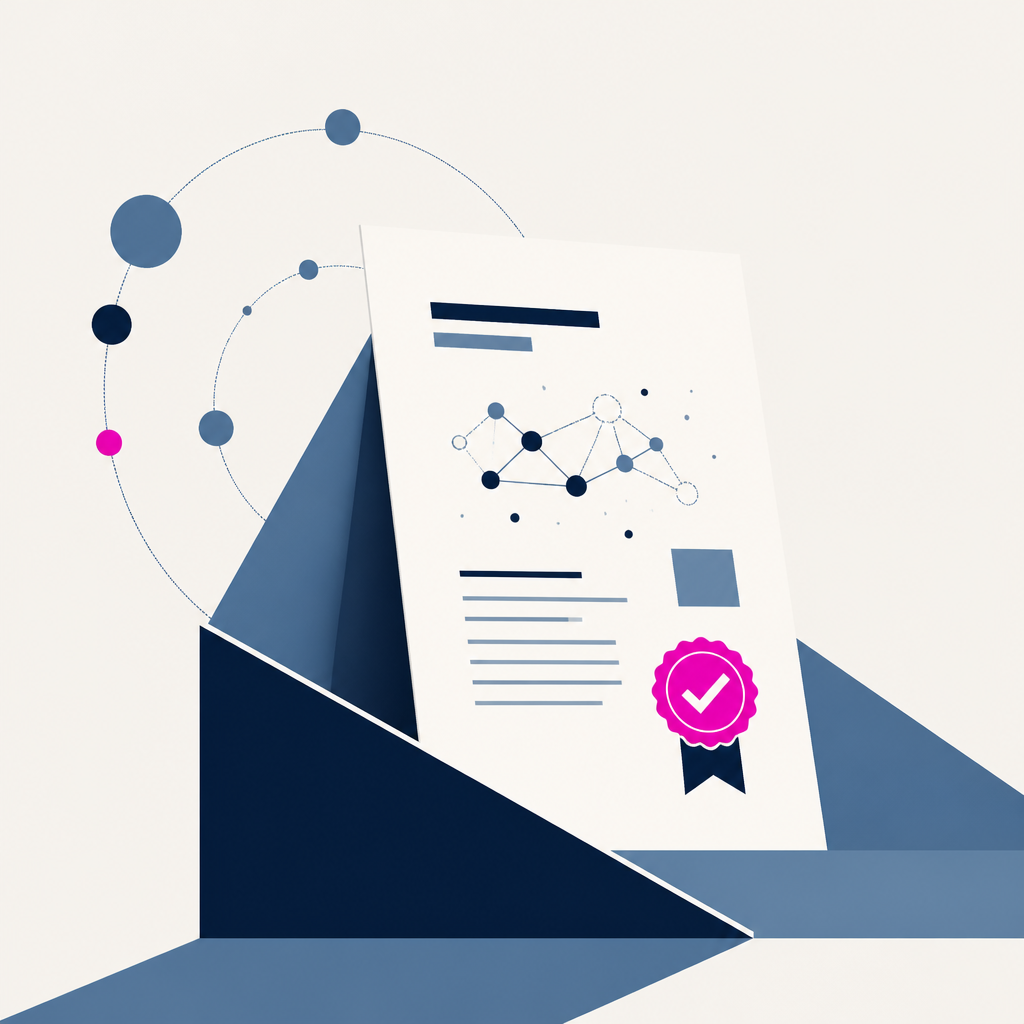
Summary, retelling and take written by AI under human oversight; images are AI-generated illustrations. How we work · Report an error

South Africa's Department of Communications and Digital Technologies had to pull its own AI policy this weekend, and the reason is almost too on-the-nose: the document about regulating artificial intelligence turned out to be stuffed with citations that AI made up. Communications minister Solly Malatsi confirmed that after reports surfaced questioning the reference list, his team went back and found several sources that simply don't exist.

The draft wasn't some early internal memo, either. It had already cleared Cabinet and was sitting out for public comment when News24 flagged at least six fabricated references, the kind of confident-sounding but entirely invented citations that have become the calling card of chatbot hallucinations. Sources with real-sounding titles, real-sounding authors, zero grounding in reality.

Malatsi didn't try to spin it. He called it a failure that undermines the credibility of the whole policy, and said people involved in drafting and approving the document should expect what he termed consequence management. Khusela Sangoni-Diko, who chairs the parliamentary committee overseeing the department, was blunter still, telling Malatsi to scrap the draft and maybe skip ChatGPT on the redo. She also pushed back on the idea of blaming the tool itself, joking about the government hunting for a convenient scape-bot instead of owning the mistake.

This isn't even a first for governments getting burned this way. The Register noted that Deloitte had to patch up an Australian government report last year after AI-generated citations, including a fabricated court quote, made it into the final version. The pattern is the same every time: someone lets a language model draft prose, nobody runs the references against reality, and the fiction ships until a journalist or a skeptic checks.

What makes South Africa's case sting a bit more is the subject matter. This was meant to be the country's framework for governing AI, complete with lofty language about intergenerational equity and benefits for generations to come. Instead it's now a cautionary tale about what happens when the tool you're trying to regulate ends up writing the rulebook, unsupervised.

My take — AI-written commentary, not fact-checked reporting

I run a site that lives and dies by AI accuracy, so this one makes me wince with recognition rather than shock. Governments keep treating chatbots as research assistants instead of unreliable narrators, and until 'verify every citation by hand' becomes as automatic as spell-check, this exact story is going to repeat itself in a dozen more capitals.

Read more about this at: The Register

Related stories

The daily briefing

Every AI story that matters, in your inbox by 8am.

TLDRocket reads all relevant sources, removes duplicate coverage, and summarises the day in two minutes. Follow companies and topics for alerts, or get the briefing in Slack. Free, no spam, unsubscribe anytime.