
FLUX.2: Multi-reference image generation now available on Together AI
Together AI
Together AI just added Black Forest Labs' FLUX.2 image models to its platform. Now you get consistent characters, exact brand colors, and readable text in AI images—no more fixing this stuff by hand.
Based on reporting by Together AI — read the original for the full story.
Summary, retelling and take written by AI under human oversight; images are AI-generated illustrations. How we work · Report an error
Image generation has been stuck in an awkward spot for a while now: good enough to wow you in a demo, not quite good enough to trust in a real pipeline. Colors drift from the brand hex code. Text turns to mush. A character's face subtly changes between panel two and panel three of a comic, or a product's shape wobbles across a catalog shoot. Teams end up doing the manual cleanup the AI was supposed to eliminate, which kind of defeats the point.
Together AI's answer, announced today, is bringing Black Forest Labs' FLUX.2 into its Model Library for the more than one million developers already on the platform. The headline feature is multi-reference input — feed the model up to 8 or even 10 reference images and it holds onto a character's face, a product's exact burgundy finish, or a logo's precise color scheme while the scene around it changes completely. A fantasy mage moves from a neutral portrait to casting a spell in a library. A speaker in matte burgundy #8B1538 moves from a studio shot to a reading nook. Same identity, wildly different context.
There are three flavors here, and the differences matter. FLUX.2 [dev] is open-weight and fine-tunable, aimed at experimentation. FLUX.2 [pro] is the optimized, production-speed API model. FLUX.2 [flex] gives you tunable parameters and is pitched specifically at typography and UI work, where FLUX.2's improved text rendering — up to 32K characters of context — actually pays off. All three generate up to 4-megapixel images in under 10 seconds, and all three accept inputs as small as 400x400 pixels.
The less flashy but arguably more useful part is that this ships through the exact same SDK developers already use for Together's LLM and voice endpoints. Same auth, same billing dashboard, same monitoring, same OpenAI-compatible API shape. If you're already running text generation on Together's infrastructure, adding image generation is a few lines of code, not a new vendor relationship with its own quirks. For teams tired of stitching together five different AI providers with five different bills, that consolidation is the actual product here — the image quality improvements are just what makes it worth doing.
My take — AI-written commentary, not fact-checked reporting
The multi-reference consistency stuff is genuinely the unsolved problem in commercial image gen, so kudos to Black Forest Labs for actually targeting it instead of chasing another aesthetic benchmark. But let's be honest about what Together AI is really selling: infrastructure lock-in dressed up as convenience. Once your LLMs, voice, and now images all share one billing dashboard, switching providers gets a lot more painful — and that's precisely the point.}
Read more about this at: Together AI
Related stories
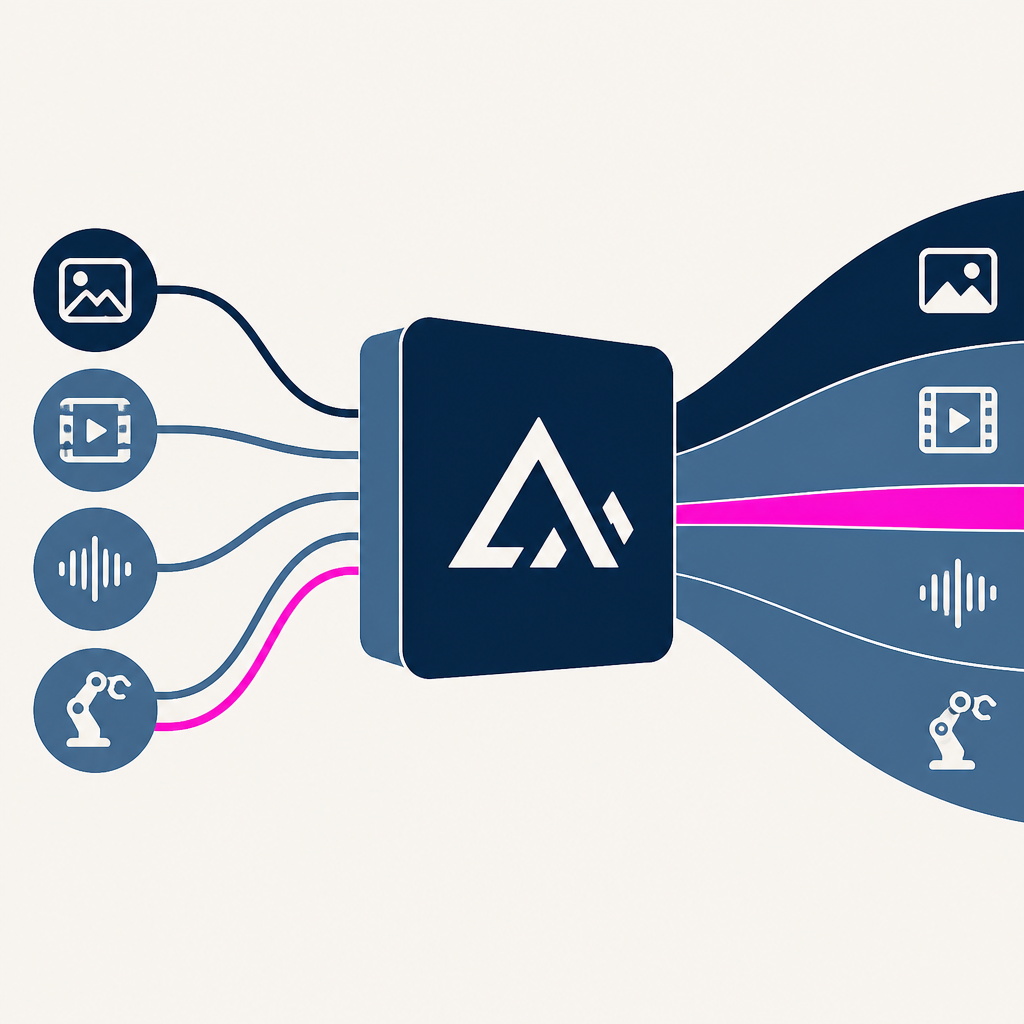 Black Forest Labs Releases FLUX 3: A Multimodal Flow Model for Image, Video, Audio and Robot Action Prediction
MarkTechPost · 1 month ago ·
15
Black Forest Labs Releases FLUX 3: A Multimodal Flow Model for Image, Video, Audio and Robot Action Prediction
MarkTechPost · 1 month ago ·
15