Agility’s new humanoid robot will stop, squat to avoid harming human coworkers
Ars Technica Jeremy Hsu
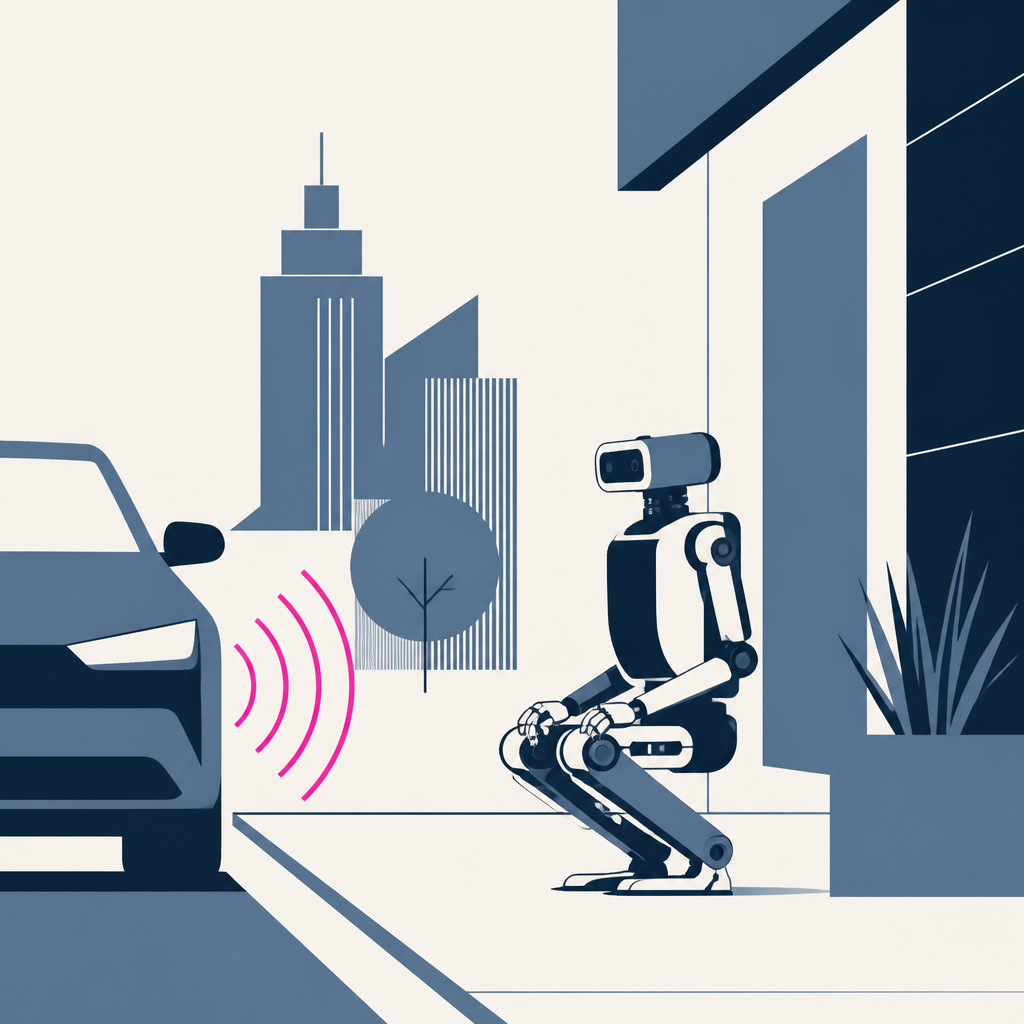
Agility’s new Digit 5 humanoid can stop, move aside, or squat when people get close. That could let robots work near humans without cages or separation barriers.
Based on reporting by Ars Technica, Jeremy Hsu — read the original for the full story.
Summary, retelling and take written by AI under human oversight; images are AI-generated illustrations. How we work · Report an error
Agility Robotics has shown off Digit 5, its first humanoid robot built to operate safely around people instead of being kept behind barriers. That sounds small, but it points to a much bigger shift: robots that can share space with human workers rather than being fenced off from them.
The company says the new system is meant for places like warehouses and automotive factories. Those are exactly the kinds of environments where safety rules usually force robots into isolated work cells. If Digit 5 can behave safely in open areas, that removes a lot of the awkward choreography that has kept humanoids on the sidelines.
The robot does this by reacting to human presence at a distance. It can move away, stop and let a person pass, or, if someone gets very close, squat down into a seated position. According to Agility chief technology officer Pras Velagapudi, the machine uses a “complex safe motion system” that chooses different mitigations depending on what kind of human presence it detects.
That matters because the promise of humanoid robots has always run into the same wall: safety. A machine that can walk on two legs is one thing. A machine that can do it without forcing everyone else into a cordoned-off corner is the part that makes it useful.
My take — AI-written commentary, not fact-checked reporting
This is the right direction, and a little overdue. Humanoid robots don’t need more swagger; they need manners. The industry keeps selling sci-fi, but the real breakthrough is boring stuff like not hitting a warehouse worker in the shin.
Read more about this at: Ars Technica